Unlocking Joy: The Science Behind Happiness – The Ultimate Guide to a Joyful Life
Introduction: The Pursuit of Happiness
In a world bustling with responsibilities and pressures, the quest for happiness often feels like an elusive dream. We chase promotions, strive for relationships, and pursue fleeting pleasures—all in the name of joy. But what if understanding the science behind happiness could hold the key to unlocking joy in our everyday lives?
The quest for joy isn’t merely an emotion; it’s a complex interplay of psychological, biological, and social factors. This article, "Unlocking Joy: The Science Behind Happiness," takes you on a captivating journey into the depths of happiness research. By focusing on evidence-based practices, actionable insights, and real-world applications, we aim to provide tools that can actually help you cultivate joy in your life.
The Nature of Happiness
Understanding Happiness
At its core, happiness can be defined as a state of well-being characterized by emotions ranging from contentment to intense joy. However, happiness isn’t simply a fleeting high—it’s a nuanced blend of life satisfaction, emotional fulfillment, and a sense of purpose.
The Two Types of Happiness
Hedonic Happiness: This refers to the pursuit of pleasure and avoidance of pain. It’s about indulgence and experiences that bring immediate gratification.
- Eudaimonic Happiness: This type of happiness stems from living a life aligned with one’s values and purpose. It’s not just about feeling good but also about getting a sense of fulfillment from contributing to something larger than oneself.
Understanding these two dimensions is essential for unlocking joy in a meaningful way.
The Neuroscience of Joy
The Brain’s Happiness Chemicals
To fully understand how to unlock joy, we must dive into the brain’s chemistry. Certain neurotransmitters play pivotal roles in our emotional well-being:
| Neurotransmitter | Function |
|---|---|
| Dopamine | Associated with pleasure and reward systems. |
| Serotonin | Regulates mood, anxiety, and happiness. |
| Endorphins | Reduce pain and increase feelings of euphoria. |
| Oxytocin | Promotes feelings of love and bonding. |
How These Chemicals Influence Our Lives
When we engage in activities that promote social connection, mindfulness, or exercise, our brain releases these chemicals, elevating our mood and overall joy.
Case Study: The Dopamine Effect
Research shows that individuals who set and achieve small, realistic goals experience a significant increase in dopamine levels. One experiment involved students who maintained daily journals of their achievements. The simple act of writing down successes led to measurable increases in their happiness levels.
Takeaway
By structuring your goals into manageable chunks, you can create a continual feedback loop of joy and accomplishment, unlocking joy in your daily routine.
The Role of Mindfulness
Mindfulness and Joy
Mindfulness is the practice of staying present and fully engaging with the moment. Numerous studies have shown that mindfulness can significantly boost happiness and reduce anxiety.
Practicing Mindfulness
- Meditation: Evidence suggests that regular meditation enhances gray matter in areas of the brain associated with emotional regulation.
- Gratitude Journaling: Keeping a gratitude journal can lead to increased feelings of well-being. Writing down three things you’re grateful for each day can shift your focus from negativity and enhance your overall mood.
Case Study: Mindfulness in Action
A study at Harvard found that participants who engaged in mindfulness meditation reported substantial increases in their levels of happiness and overall life satisfaction compared to a control group. Participants emphasized heightened awareness of positive experiences, leading to a more joyful existence.
Takeaway
Incorporating mindfulness practices into your routine can be a game-changer in unlocking joy and fostering long-lasting happiness.
Social Connections and Joy
The Importance of Relationships
Human beings are inherently social creatures, and our social connections significantly influence our happiness levels. Relationships can be a source of support, love, and, importantly, joy.
Quality over Quantity
While having a vast network of acquaintances might seem appealing, studies consistently show that the quality of relationships plays a crucial role in promoting joy. Deep, meaningful connections lead to greater happiness than superficial interactions.
Case Study: The Harvard Study of Adult Development
One of the most comprehensive studies on happiness over the past 75 years has been conducted by Harvard University. This longitudinal study tracked the lives of individuals from different walks of life and revealed that the quality of personal relationships was one of the most significant predictors of happiness. In fact, the conclusion was clear: “Good relationships keep us happier and healthier.”
Takeaway
Investing time in nurturing meaningful relationships may be one of the most effective ways to unlock joy and enrich your life.
Lifestyle Choices and Happiness
The Impact of Lifestyle on Joy
- Physical Activity: Regular exercise releases endorphins, which can boost mood and reduce stress.
- Nutrition: A balanced diet supports both physical health and emotional well-being. Foods rich in omega-3 fatty acids, antioxidants, and vitamins are linked to positive mood enhancements.
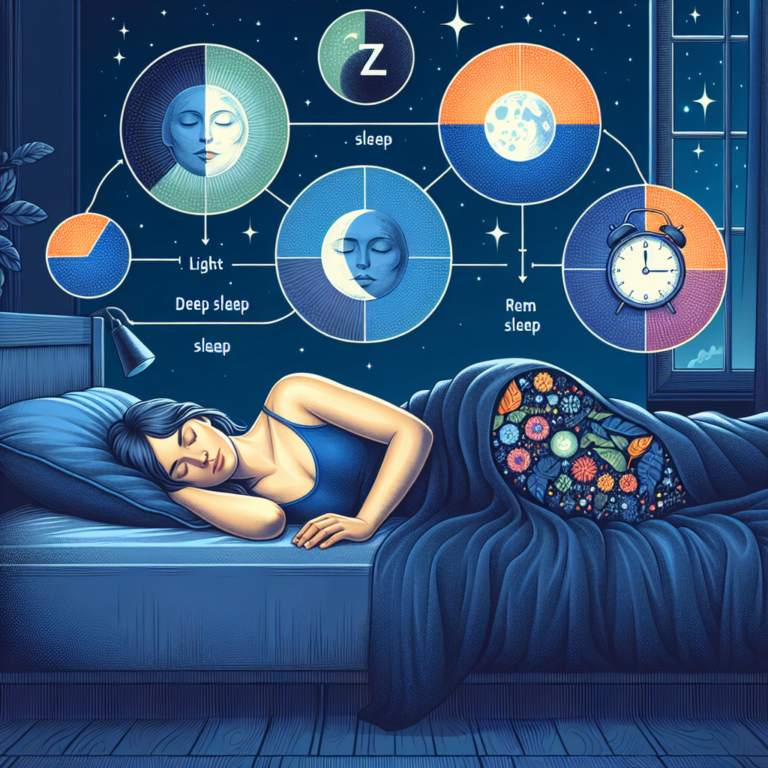
- Sleep: Quality sleep is fundamental for emotional regulation. Poor sleep can dramatically affect mood and resilience.
Case Study: The Exercise Effect
A research study published in the American Journal of Psychiatry found that individuals who engaged in regular physical activity (even just 30 minutes a day) reported significantly higher levels of happiness. Participants who adopted an active lifestyle not only felt more energetic but also experienced increased joy.
Takeaway
Adopting a healthy lifestyle is a powerful strategy for unlocking joy in your life. Simple changes can lead to remarkable benefits for your mental and emotional health.
The Role of Purpose and Meaning
Finding Your “Why”
Having a purpose in life is closely linked to happiness. When you feel that your life has meaning, it can bolster your resilience in the face of adversity.
Pursuing Meaningful Goals
Setting and achieving goals that resonate with your values can lead to profound joy. Whether it’s personal development, volunteering, or career aspirations, pursuing goals aligned with your passions adds depth to your happiness.
Case Study: The Power of Purpose
A study published in the journal Psychological Science found that individuals with a strong sense of purpose reported higher levels of life satisfaction, lower risk of depression, and longer longevity. Participants who engaged in activities that fulfilled their sense of purpose found a more lasting joy.
Takeaway
Engaging in pursuits that resonate deeply with your values can be a powerful catalyst for unlocking joy and fulfillment in your life.
Conclusion: Unlocking Sustainable Happiness
Understanding the science behind happiness is key to unlocking joy in daily life. By incorporating mindfulness, nurturing relationships, focusing on physical health, and pursuing meaningful goals, we can cultivate a sense of lasting joy.
As you embark on your journey of unlocking joy, remember that happiness is not a destination; it’s a continuous practice. Make conscious choices, be kind to yourself, and never underestimate the power of small moments of joy.
FAQs
What is the most effective way to become happier?
- Engaging in daily mindfulness practices, nurturing relationships, and pursuing meaningful goals are highly effective.
Can happiness be measured?
- Yes, researchers use various metrics, including self-report surveys and psychological assessments, to gauge happiness levels.
What role does genetics play in happiness?
- Genetics can influence baseline happiness levels, but environmental factors and choices significantly shape our experiences of joy.
Is happiness a skill that can be learned?
- Absolutely! Happiness can be cultivated through practices like gratitude, mindfulness, and maintaining relationships.
- How long does it take to see improvements in happiness?
- While results vary, many individuals report noticeable changes in happiness within weeks of implementing positive practices.
In this journey toward unlocking joy and understanding the science behind happiness, may you find inspiration to cultivate joy in your life, not just as a fleeting experience but as an enduring state of being.
About the Author