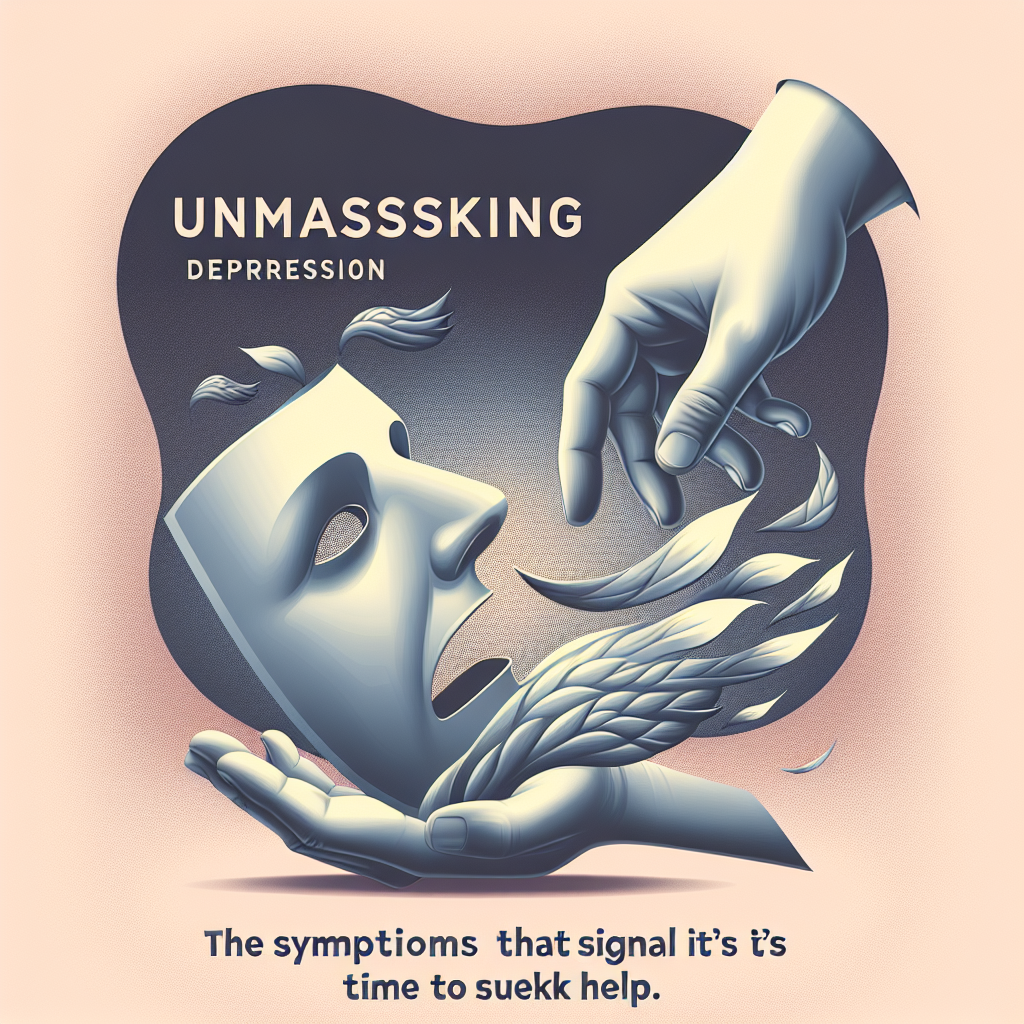
Unmasking Depression: The Essential Symptoms That Signal It’s Time to Seek Help
Introduction
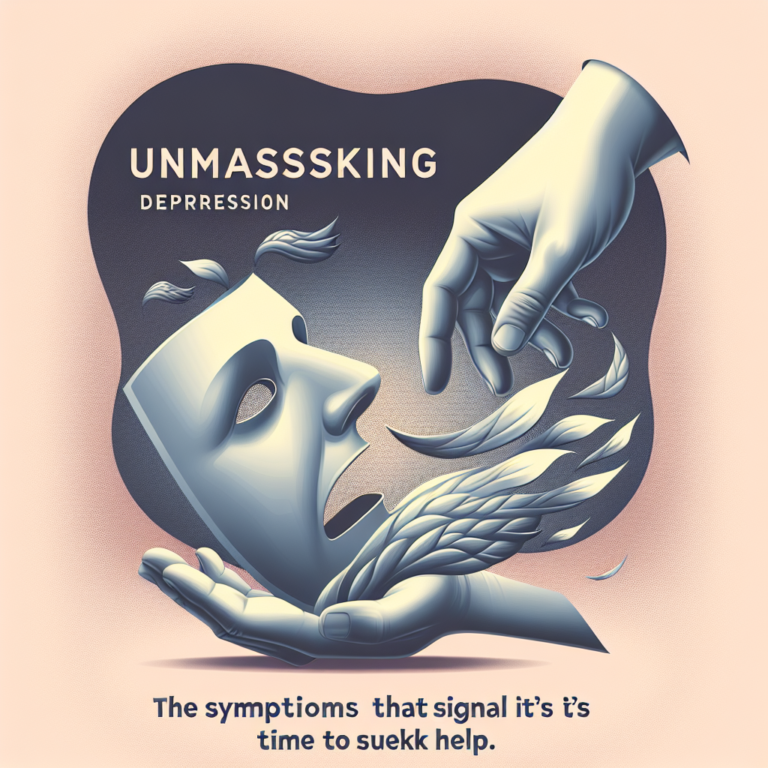
Depression is a silent battle that many people fight, often hidden behind a mask of smiles and routine. When we think of depression, we might imagine overwhelming sadness or a lack of motivation, but the truth is, its symptoms can be much more complex and varied. Understanding these nuances is crucial for both individuals experiencing depression and their loved ones who wish to support them. The concept of "Unmasking Depression: The Symptoms That Signal It’s Time to Seek Help" serves as a beacon of awareness, shedding light on the many faces of this condition.
The relevance of this topic cannot be overstated: Studies show that millions of people experience depression at some point in their lives, yet only a fraction seek help. This article aims to delve into the often-overlooked symptoms of depression, advocate for seeking professional assistance, and empower readers with actionable insights.
Understanding Depression
What is Depression?
Depression is more than just feeling sad. It’s a mental health disorder characterized by persistent feelings of sadness, loss of interest, and several other emotional and physical problems. According to the World Health Organization (WHO), over 264 million people globally suffer from depression, making it one of the leading causes of disability worldwide.
The Science Behind Depression
Understanding depression requires looking into biology and psychology. Neurotransmitters like serotonin and dopamine play significant roles in mood regulation. An imbalance can lead to symptoms of depression. Factors like genetics, environmental stressors, and brain structure contribute to this complex disorder, necessitating a multifaceted approach to treatment.
Unmasking Depression: Key Symptoms
When discussing "Unmasking Depression: The Symptoms That Signal It’s Time to Seek Help," it’s vital to recognize the variety of symptoms that may indicate the need for professional support.
1. Emotional Symptoms
Persistent Sadness
A feeling of emptiness or hopelessness that lasts for weeks or months.
Irritability
A heightened sensitivity to stress or a short temper can silently signify underlying distress.
Anxiety
Feelings of restlessness or panic can coexist with depression, complicating both conditions.
2. Physical Symptoms
Fatigue
Chronic fatigue and low energy levels can hinder daily activities, making even simple tasks feel monumental.
Sleep Disturbances
Insomnia or excessive sleeping often accompanies depression. Sleep may become a refuge or a source of frustration.
Changes in Appetite
This may manifest as overeating or a significant reduction in food intake, impacting physical health.
3. Cognitive Symptoms
Difficulty Concentrating
Challenges with focus, memory, or decision-making often occur, complicating work and personal relationships.
Negative Thinking
An ongoing pattern of negative thoughts and pessimism can make the cycle of depression feel insurmountable.
Case Study: Jessica’s Journey
Jessica, a 29-year-old marketing professional, seemed to have it all – a promising career, a loving partner, and a tight-knit circle of friends. However, she began to notice subtle changes. Initially, it was the persistent fatigue that made getting out of bed difficult. Over weeks, her irritability escalated, leading to conflicts at work and home.
Analysis:
Jessica’s symptoms were masked by her busy lifestyle. Once she recognized that her emotional and physical symptoms were signs that it was time to seek help, she began therapy and medication, ultimately finding balance in her life. Her story emphasizes the importance of recognizing the symptoms of depression in everyday situations.
When to Seek Help
Recognizing the Signs
If you or someone you care about is experiencing several of these symptoms consistently, it’s likely time to seek help. Pay attention to changes in mood, behavior, and daily functioning. Warning signs include:
- Suicidal thoughts or self-harm
- Persistent feelings of hopelessness
- Significant changes in work or social life
- Substance abuse as a coping mechanism
The Importance of Professional Help
Professional treatment can include therapy, medication, or a combination of both. Therapy provides a space to explore emotions and develop coping strategies, while medication can help correct neurotransmitter imbalances.
The Role of Friends and Family
How Can Loved Ones Help?
Support from friends and family is often crucial for someone struggling with depression. Active listening, validation, and encouragement to seek help play vital roles in recovery.
Case Study: Mark’s Support System
Mark, a recent college graduate, began withdrawing from friends and skipping social events. His best friend noticed these changes and gently approached him about his feelings. Rather than offering advice, she listened and encouraged him to seek counseling.
Analysis:
Mark’s journey highlights the importance of having a supportive network. His friend’s approach made him feel seen and valued, which motivated him to address his mental health.
Coping Strategies and Actionable Insights
Self-Care Practices
- Mindfulness and Meditation: These practices can help manage symptoms by slowing down racing thoughts.
- Physical Activity: Regular exercise is known to release endorphins and improve mood.
- Balanced Diet: Nutrition plays a significant role in mental health; consider foods rich in omega-3 fatty acids, antioxidants, and vitamins.
Professional Resources
- Therapy Options: Consider cognitive-behavioral therapy (CBT), dialectical behavior therapy (DBT), or group therapy.
- Medication: Consult a psychiatrist or primary care physician about possible medication that may assist in managing symptoms.
Conclusion
Unmasking depression requires not only an understanding of its symptoms but also an acknowledgment that help is available and necessary. By recognizing the signs, both individuals and their loved ones can work together towards brighter days. Remember, seeking help is a sign of strength, and there are numerous resources and support systems ready to guide you on this journey.
In a world where mental health conversations are increasingly important, take action—whether for yourself or someone you love—because when it comes to depression, there is hope, and help is just a conversation away.
FAQs
1. What are some common misconceptions about depression?
Many believe depression is just sadness; however, it encompasses a range of symptoms, including emotional, physical, and cognitive issues.
2. How can I support a friend who is depressed?
Be present, listen without judgment, and encourage them to seek professional help.
3. Is it possible to recover from depression without medication?
Yes, many people benefit from therapy, lifestyle changes, and self-care. However, medication may be necessary for some.
4. How can I talk to someone about my feelings of depression?
Choose a safe and comfortable setting, and express your feelings honestly. Use “I” statements to avoid sounding accusatory.
5. Are there age-related differences in how depression manifests?
Yes, symptoms can vary significantly between children, adolescents, and adults. Each age group may respond differently to treatment.
By unmasking depression and recognizing its symptoms, we can open the dialogue about mental health and encourage those who need help to seek it. Together, we can destigmatize this condition and promote emotional well-being for all.
About the Author