Voices of Resilience: Overcoming Stigma as a Parent of a Child with Disabilities
Introduction
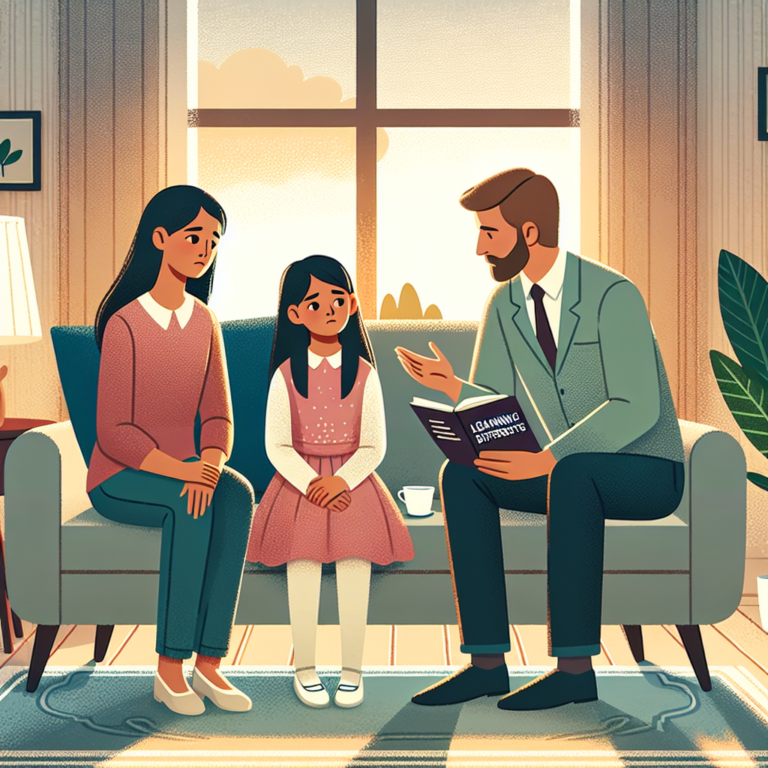
Imagine standing in a crowded room, where whispers travel faster than conversations. You are the parent of a child with disabilities, and each gaze feels heavy with judgment. The stigma surrounding disabilities can create isolation and fear, but it doesn’t have to define your family’s story. Welcome to "Voices of Resilience: Overcoming Stigma as a Parent of a Child with Disabilities," a narrative that aims to empower and inspire. This journey delves into real-world experiences, providing valuable insights for navigating the challenges and triumphs of parenting a child with disabilities.
With approximately 1 in 6 children in the U.S. diagnosed with a developmental disability, stories like ours are more common than we think. Yet, the stigma persists. In this article, we will explore practical strategies to help dismantle stigma, share enlightening case studies, and engage in dialogue that fosters understanding and empathy.
Understanding the Landscape: The Reality of Parenting a Child with Disabilities
The Stigma We Face
Stigma manifests in myriad ways—whispers, sidelong glances, or even outright hostility. The stigma surrounding children with disabilities often stems from misconceptions, lack of education, and societal norms. This section delves into the depth of stigma, its effects on both parents and children, and introduces the concept of resilience in the face of adversity.
The Emotional Toll
Being a parent to a child with disabilities can lead to a complex emotional landscape. Parents often experience:
- Isolation: Feeling alone in your journey can be daunting.
- Fear: Worrying about the future of your child.
- Anger: Towards societal discrimination or even oneself.
Understanding these feelings fosters a sense of community among parents and helps in building resilience.
Voices of Resilience: Stories of Triumph
Case Study 1: Sarah’s Journey
About Sarah
Sarah is a 35-year-old mother of a 7-year-old boy named Max, who has Autism Spectrum Disorder (ASD). Initially, the diagnosis overwhelmed her, leading to feelings of despair and isolation.
The Challenge
In the early years, the stigma was palpable. At school events, Sarah noticed other parents keeping their distance. Whispered doubts about Max’s behavior fueled her insecurities.
Finding Support
Seeking a support group, Sarah discovered others with similar experiences. By sharing her story, she began to realize she wasn’t alone. This community of parents became essential in her journey, fostering resilience.
Key Insight
Sarah learned that openly discussing her struggles created a bridge between her and other families, dispelling misconceptions about disabilities. Together, they formed an advocacy group, educating schools and communities about autism.
Case Study Analysis
Sarah’s experience illustrates the power of community and the importance of finding a support network. By learning and sharing together, parents can create awareness, reduce stigma, and promote acceptance.
Case Study 2: Leo’s Advocacy
About Leo
Leo, a single father to his daughter Mia, who has Down syndrome, faced immediate societal challenges when Mia was born.
The Challenge
Initially, Leo felt overwhelmed. He encountered various prejudices, from family members doubting Mia’s abilities to strangers making insensitive comments in public.
Transforming Pain into Purpose
Leo channeled his frustrations into activism. He began volunteering for local organizations that support families of children with disabilities. His efforts led to the development of programs designed to educate the public.
Key Insight
Leo realized that advocacy extends beyond personal struggle. By educating others, he broke down barriers. His passion ignited a movement, transforming stigma into a shared understanding.
Case Study Analysis
Leo’s journey showcases how proactive measures can help overcome stigma. His commitment to advocacy not only benefited his family but also inspired others, transforming perceptions and fostering acceptance.
Strategies for Overcoming Stigma
As the stories above illustrate, resilience arises from various approaches. Here are actionable insights for parents navigating stigma:
1. Build a Support Network
Finding support is crucial. Whether it’s through online forums, local support groups, or community organizations, connecting with others can help alleviate feelings of isolation.
2. Educate Yourself and Others
Knowledge is power. Educating friends, family, and even educators about disabilities plays a fundamental role in reducing stigma. Organize workshops or informational sessions to foster understanding.
3. Embrace Open Communication
Transparency about your child’s abilities and challenges can dismantle misconceptions. Share your family’s journey openly, whether it’s through social media, blogs, or community talks.
4. Seek Professional Guidance
Therapists and counselors can provide support tailored to your family’s needs. They offer strategies for coping, improving communication, and handling stigma.
5. Celebrate Achievements
Focus on strengths rather than limitations. Celebrating achievements, no matter how small, shifts the narrative from stigma to success.
6. Advocate for Change
Get involved in local advocacy efforts. By joining or forming community groups, you can influence policies and practices that promote inclusion and understanding.
The Role of Education in Mitigating Stigma
Schools and Inclusion Practices
Educators play a critical role in shaping societal perceptions. Schools can lead by example through inclusive teaching methods and fostering an environment of acceptance.
Parents as Change Agents
Parents have the unique power to advocate for inclusive practices in their child’s school. Collaboration with teachers and administrators can pave the way for more understanding environments.
Table: Benefits of Inclusive Education
| Benefits | Description |
|---|---|
| Social Skills Development | Inclusive settings promote interaction among diverse peers. |
| Increased Empathy | Understanding differences fosters compassion in children. |
| Enhanced Academic Success | Inclusive classrooms often show improved outcomes for all students. |
Inspiring Advocacy Models
Examples of Successful Advocacy Groups
- Autism Speaks – Focuses on autism research, awareness, and advocacy.
- The Arc – Advocates for individuals with intellectual and developmental disabilities.
- National Down Syndrome Society – Promotes inclusion and encourages positive community engagement.
Case Study 3: The Arc’s Impact
Overview
The Arc has successfully engaged parents and families in advocacy, highlighting the importance of grassroots movements in transforming societal views.
Key Insights from Their Work
Through education, community involvement, and policy advocacy, The Arc serves as a model for parents looking to create change.
Case Study Analysis
The efforts of The Arc demonstrate how organized advocacy can reduce stigma significantly. Parents are empowered to share their experiences, leading to a broader understanding of disabilities within communities.
Conclusion: Embracing the Journey Together
Navigating the complexities of parenting a child with disabilities can feel daunting, but we can harness and amplify our voices. "Voices of Resilience: Overcoming Stigma as a Parent of a Child with Disabilities" expands beyond personal narratives—it fosters community support, education, and advocacy.
As parents, we need to embrace our stories, cultivating resilience and transforming stigma into understanding.
Call to Action
Engage your local community, educate others, and be a beacon of light for those who feel isolated. Your resilience can inspire change, shaping a future where acceptance triumphs over stigma.
FAQs
1. How can I find support as a parent of a child with disabilities?
Look for local support groups, online communities, and events where you can connect with other parents facing similar challenges.
2. What resources are available for educating myself about my child’s disability?
Check reputable websites, books, and resources from associations focused on your child’s specific disability.
3. How can I address stigma when it arises in social settings?
Stay calm and composed. Use such moments as opportunities for education, sharing factual information about your child’s disability.
4. What should I do if my child faces bullying due to their disability?
Report the behavior to authorities (teachers, school administrators) and work together to create a safe environment for your child.
5. Can advocacy really make a difference in reducing stigma?
Absolutely. Grassroots efforts, like those led by parents, play a critical role in shifting societal perceptions and fostering greater acceptance.
By engaging in these strategies and sharing real stories, parents can create a strong foundation for resilience, ultimately leading to a more inclusive environment for all children. Embrace your journey because your voice matters!
About the Author