Introduction
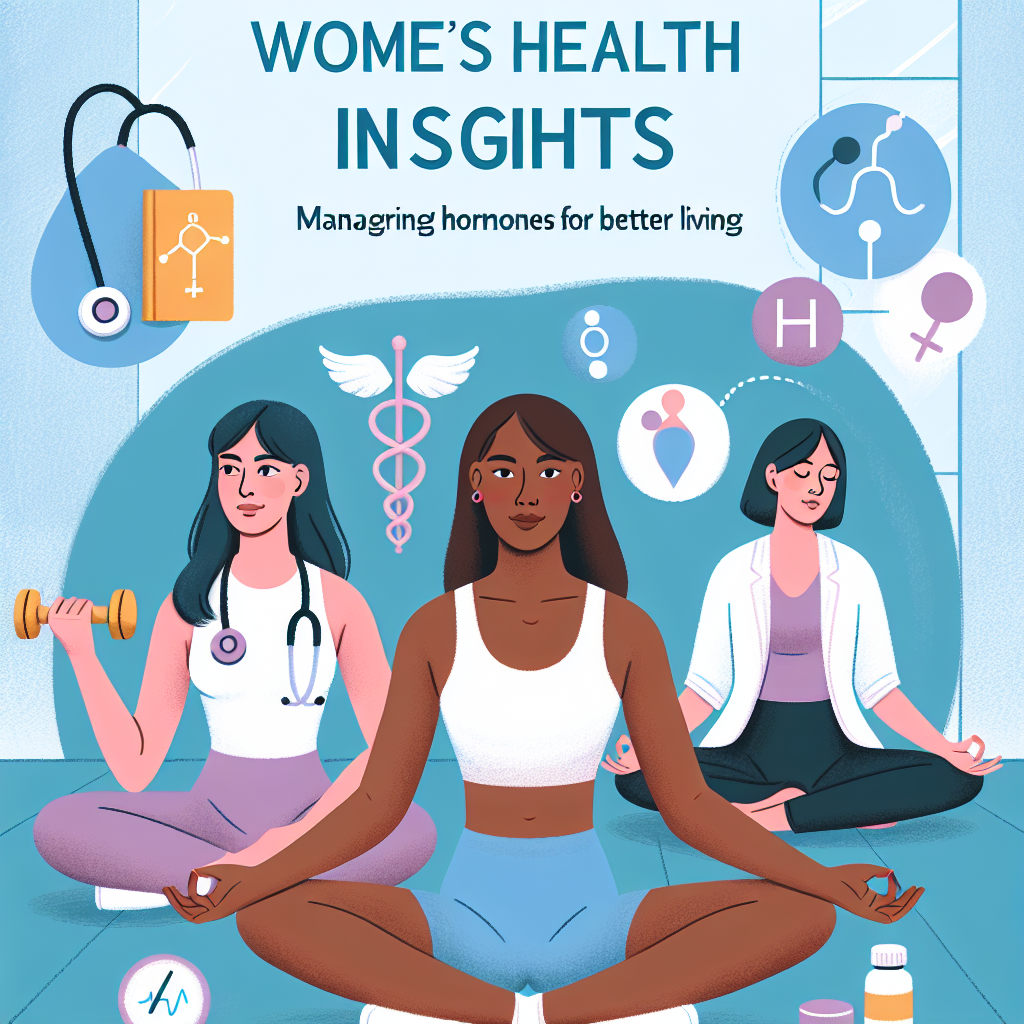
In today’s fast-paced world, the importance of women’s health cannot be overstated. One crucial aspect of this is hormonal balance, which plays a significant role in overall well-being. Navigating through the myriad of hormonal changes—from menstruation to menopause—can often feel overwhelming. This article, "Women’s Health Insights: Managing Hormones for Better Living", aims to empower women by providing essential insights into their hormonal health. We’ll delve into techniques for managing hormones effectively, share real-life case studies, and reveal actionable steps to improve quality of life.
Understanding Hormones: The Body’s Messengers
Hormones are chemical messengers that regulate various functions in the body, including metabolism, mood, and reproductive health. They can significantly influence energy levels, weight, sleep, and mental clarity. Understanding how these hormones work and their impact on women’s health is the first step towards better management.
The Role of Key Hormones
Estrogen: Known as the "female" hormone, estrogen influences sexual development, menstrual cycles, and bone health.
Progesterone: This hormone is crucial for regulating the menstrual cycle and maintaining pregnancy.
Testosterone: Although often associated with men, women also produce testosterone, which contributes to libido, energy, and muscle strength.
| Hormone | Role in Women’s Health | Consequences of Imbalance |
|---|---|---|
| Estrogen | Menstrual cycle, bone health | Mood swings, irregular periods |
| Progesterone | Pregnancy maintenance, menstrual cycle | PMS symptoms, fertility issues |
| Testosterone | Libido, energy, muscle strength | Low energy, declining libido |
Hormonal Changes Through Life Stages
As women age, their hormonal profiles change. Understanding these stages can help in managing symptoms and promoting overall well-being.
Menstruation and Puberty
During puberty, the body experiences a surge in hormones that triggers menstruation and prepares for potential motherhood. Common challenges such as PMS (premenstrual syndrome) can arise during this time.
Case Study: Sarah, Age 16
Sarah experienced severe PMS symptoms, including mood swings and cramping. Through dietary adjustments and lifestyle changes, she was able to alleviate her symptoms significantly, highlighting the importance of managing hormones even at a young age.
Reproductive Years
The reproductive years may present their own hormonal rollercoaster. Fluctuations during ovulation and menstruation can impact mood, energy, and overall health.
Case Study: Laura, Age 30
At 30, Laura struggled with unexplained weight gain and fatigue. After consulting a healthcare provider, she learned that her estrogen levels were too high and her progesterone levels were low. By adopting a balanced diet rich in phytoestrogens and regular exercise, she regained her energy and improved her hormonal health.
Perimenopause and Menopause
Menopause signals the end of a woman’s reproductive years, often resulting in significant hormonal shifts. This transition can introduce symptoms such as hot flashes, mood swings, and sleep disturbances.
Case Study: Karen, Age 52
Karen experienced severe hot flashes and anxiety during perimenopause. By incorporating stress management techniques like yoga and meditation into her routine, she was able to manage her symptoms and improve her quality of life.
Strategies for Managing Hormones
Effective management of hormonal health can lead to a better quality of life. Here are several strategies to consider.
Nutrition: Fueling Hormonal Balance
Incorporate Whole Foods: Eating whole, unprocessed foods can stabilize blood sugar levels, which in turn helps maintain hormonal balance.
Healthy Fats: Foods rich in omega-3 fatty acids, such as avocados, fish, and nuts, can support hormonal health.
- Phytoestrogens: Foods like flaxseeds and soy can naturally balance estrogen levels, providing relief from symptoms.
Exercise: Moving for Balance
Regular physical activity is a proven method for managing hormones.
- Endurance Activities: Activities such as running or cycling boost serotonin levels.
- Strength Training: Helps in increasing testosterone levels naturally.
Charts: Here’s a simple chart to demonstrate the impact of various activities on hormonal health.
| Activity | Hormonal Benefits |
|---|---|
| Running/Cycling | Boosts serotonin and reduces cortisol |
| Yoga | Reduces stress and balances hormones |
| Strength Training | Increases testosterone and muscle mass |
Sleep: The Unsung Hero
Sleep is vital for hormonal balance. Poor sleep patterns can lead to increased cortisol levels, which can disrupt other hormones.
- Aim for 7-9 hours of quality sleep.
- Develop a relaxing bedtime routine.
The Impact of Stress on Hormones
Stress is an often-overlooked factor in hormonal imbalances. Chronic stress leads to elevated cortisol levels, which can affect all other hormones.
Managing Stress: Practical Techniques
Mindfulness and Meditation: Practicing mindfulness can lower cortisol levels.
Breathwork: Simple breathing techniques can provide immediate relief from stress.
- Support Networks: Engaging in community support can help ease emotional burdens.
Case Study: Michelle, Age 45
As a working mom, Michelle faced chronic stress. After implementing mindfulness practices, she noticed improved mood and decreased anxiety, illustrating the importance of managing stress for hormonal balance.
The Role of Medical Consultation
For persistent issues, medical consultation is essential. A healthcare provider can assess hormonal levels through blood tests and develop tailored treatment plans.
Hormone Replacement Therapy (HRT)
For some women, Hormone Replacement Therapy may be a viable option to manage severe symptoms of hormonal imbalance.
Natural Supplements
Natural supplements can also support hormonal balance but should be discussed with a healthcare provider before use.
| Supplement | Potential Benefits |
|---|---|
| Omega-3 Fatty Acids | Reduces inflammation and boosts mood |
| Vitamin D | Supports overall hormonal health |
| Magnesium | Aids in sleep and reduces stress |
Conclusion
Managing hormones effectively is integral to achieving improved health and well-being. By incorporating dietary adjustments, exercise, stress management techniques, and seeking professional guidance, women can navigate their hormonal journeys with confidence. Use these "Women’s Health Insights: Managing Hormones for Better Living" to craft a lifestyle that prioritizes balance and health.
Actionable Takeaway
Reflect on your own habits and consider small changes you can make today to promote hormonal health. Whether it’s adjusting your diet, incorporating mindfulness, or consulting a healthcare professional, every step counts toward better living.
FAQs
What are common symptoms of hormonal imbalance?
- Symptoms may include fatigue, unexplained weight gain, mood swings, and irregular menstrual cycles.
How often should I consult a healthcare provider about my hormones?
- Regular check-ups and consultations should occur if you experience persistent symptoms. Annual wellness visits are recommended.
Can diet really impact hormonal balance?
- Yes, a balanced diet rich in whole foods, healthy fats, and fiber can positively influence hormonal health.
What lifestyle changes can I make for hormonal health?
- Incorporate regular exercise, reduce stress through mindfulness practices, and prioritize quality sleep.
- What role do supplements play in managing hormones?
- Supplements can support hormonal balance but should be discussed with a healthcare provider to ensure they are suitable for your specific needs.
By following these insights and taking proactive steps, women can cultivate a healthier relationship with their hormones and, by extension, their lives.
About the Author


The PsyForU Editorial Collective is the research and editorial team of PsyForU Research International. The collective prepares educational, psychological, mental-health-awareness, inclusion, neurodiversity, and research-methodology content for students, parents, educators, researchers, and general readers. PsyForU content is intended for awareness, education, and capacity-building and should not be treated as clinical diagnosis, therapy, medical advice, legal advice, or emergency mental-health support.