Introduction
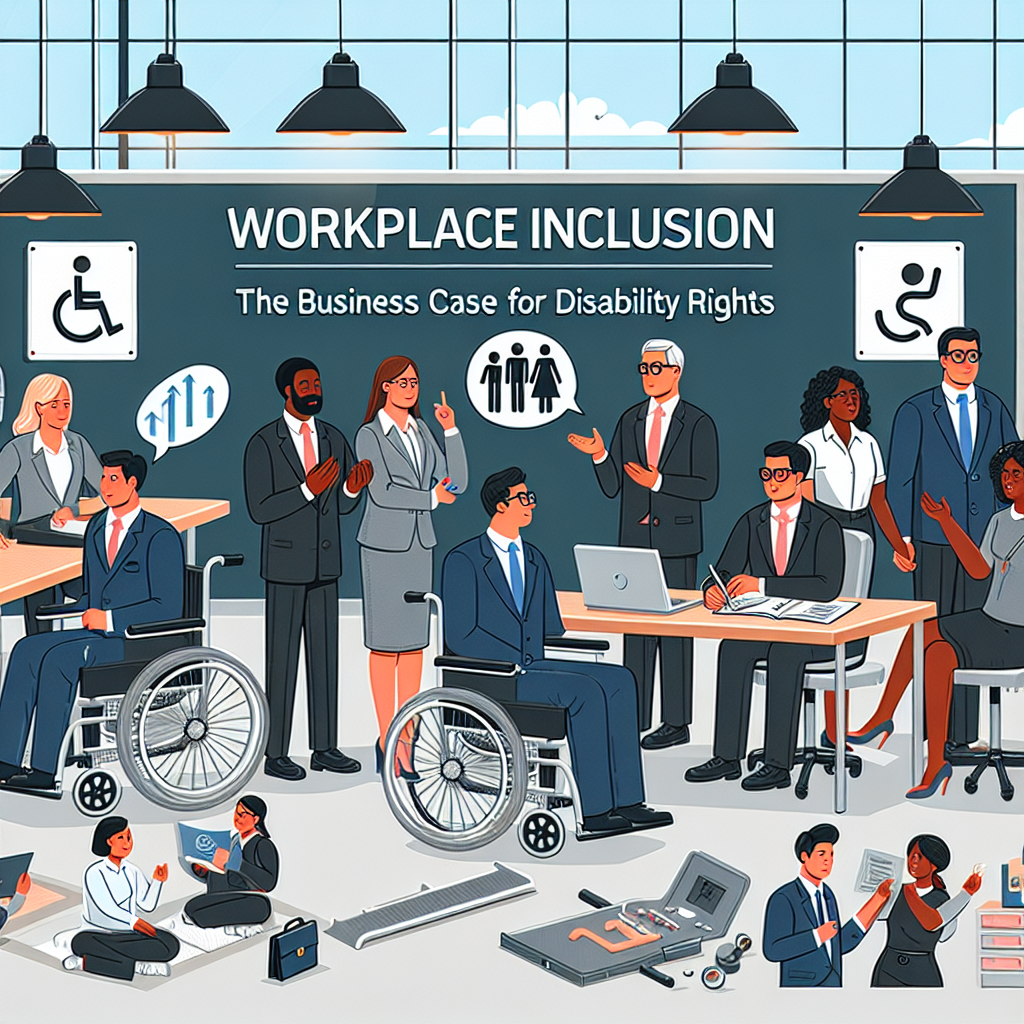
In a world increasingly defined by diversity, the conversation around workplace inclusion often gravitates towards gender, ethnicity, and other visible differences. Yet, one dimension that deserves far more attention is disability. Workplace inclusion is not just a buzzword; it’s a necessity that impacts profitability, innovation, and company culture. The business case for disability rights is more compelling than ever, as employers are discovering that inclusive workplaces not only benefit marginalized employees but also drive business performance.
Imagine a workplace where everyone feels valued and has equal opportunities to thrive—this vision can be transformed into reality when organizations understand Workplace Inclusion: The Business Case for Disability Rights. In this article, we’ll explore how and why creating inclusive environments for individuals with disabilities is a pivotal strategy for driving sustainable business success.
The Economic Impact of Disability Inclusion
Understanding the Numbers
According to the World Health Organization, over 1 billion people worldwide live with some form of disability. This demographic represents a significant portion of the talent pool that organizations often overlook. Research from Accenture indicates that companies embracing disability inclusion see a 28% higher revenue than those that don’t.
Table 1: Financial Statistics on Disability Inclusion
| Metric | Companies with High Inclusion | Companies with Low Inclusion |
|---|---|---|
| Revenue Growth (%) | 28% | 14% |
| Employee Retention Rate (%) | 87% | 66% |
| Customer Satisfaction | 76% | 60% |
Case Study: Microsoft
Microsoft is a stellar example of how prioritizing inclusion can drive a company’s bottom line. The tech giant implemented a range of accessibility tools in its products and actively recruited individuals with disabilities. As a result, Microsoft not only improved its product offerings but also reported significant boosts in overall employee engagement and retention.
Analysis
The Microsoft case demonstrates that investing in inclusivity pays off. By recognizing the needs of a diverse workforce, companies can create products that cater to a broader audience while increasing market competitiveness.
Breaking Down Barriers: Physical and Psychological
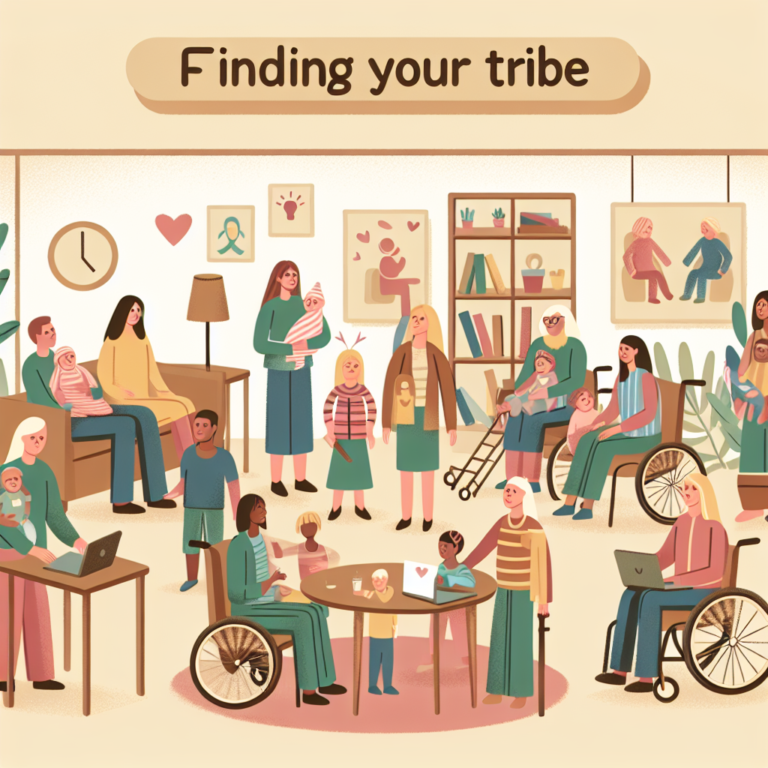
Workplace inclusion goes beyond mere compliance with legal obligations. While physical accessibility—such as ramps and adaptive technologies—is vital, psychological safety is equally critical. Employees must feel comfortable disclosing disabilities and asking for accommodations without fear of stigma or discrimination.
Innovative Practices for Psychological Safety
- Training Programs: Workshops on empathy and disability awareness can significantly shift organizational culture.
- Mentoring Programs: Pairing mentors with individuals with disabilities fosters a sense of belonging.
Legal Obligations as a Catalyst for Growth
Businesses often view compliance as a burden, yet legal frameworks, such as the Americans with Disabilities Act (ADA), offer a framework for creating inclusive spaces. Organizations that understand these obligations can leverage them as opportunities for growth.
Case Study: Starbucks
Starbucks has transcended the basic requirements of the ADA by training employees to support individuals with disabilities actively. This commitment is reflected not only in their inclusive hiring practices but also in their community reputation.
Analysis
Starbucks showcases how embracing legal obligations enhances brand loyalty and community ties. The commitment to disability rights isn’t merely about compliance; it’s about setting a standard.
Enhancing Innovation Through Diverse Perspectives
A diverse workforce fosters creativity and innovation—a critical driver in today’s competitive environment. Studies show that teams comprising members from diverse backgrounds are 35% more likely to outperform their counterparts.
Case Study: Procter & Gamble
Procter & Gamble (P&G) launched a campaign called "We See Equal," which not only supports gender equality but also prioritizes disability inclusion. P&G reported that this initiative led to an increase in sales volume due to broader market appeal and innovative product development.
Analysis
P&G illustrates the point that fostering diversity transcends mere representation; it’s about enriching the creative process, which directly informs product development and strategy.
Crafting an Inclusive Culture: Best Practices
Building a culture of inclusion takes more than policies; it requires an atmosphere where all employees feel empowered. Here are some strategies:
- Leadership Commitment: When leaders value inclusion, it cascades down the organization.
- Employee Resource Groups (ERGs): Encourage forming ERGs to provide support and community.
Measuring Success: Key Performance Indicators (KPIs)
Tracking the success of workplace inclusion efforts is essential. Relevant KPIs may include:
- Recruitment Metrics: Track the percentage of applicants with disabilities.
- Engagement Surveys: Gauge employees’ sense of belonging.
- Retention Rates: Evaluate retention of employees with disabilities compared to the general workforce.
Chart: KPIs for Measuring Workplace Inclusion
| KPI | Definition | Goal |
|---|---|---|
| Percentage of Applicants | Ratio of applicants with disabilities | 15% |
| Employee Engagement Score | Average score from surveys | 80% |
| Retention Rate of Disabled Employees | Percentage who stay for 2 years | 75% |
The Role of Technology in Driving Inclusion
As we navigate the digital age, technology can become a powerful tool for disability inclusion. From AI-driven recruiting software that minimizes bias to communication platforms featuring adaptive technologies, the possibilities are endless.
Case Study: SAP’s Autism at Work Program
SAP’s initiative to hire individuals on the autism spectrum illustrates how technology can be adapted to facilitate inclusion. The program has not only succeeded in hiring but has also resulted in innovation that benefited the company’s product lines.
Analysis
SAP’s Autism at Work program dispels myths that individuals with disabilities may lack certain capabilities. Instead, it highlights how targeted skills can enhance organizational performance.
Investing in Training and Development
To create lasting change, companies will benefit from investing in continually training employees on inclusion practices. Here are some essential areas for focus:
- Unconscious Bias Training: Help employees recognize and challenge their bias.
- Skill Development: Offer resources to enhance the careers of employees with disabilities.
Conclusion
Creating a workplace that champions disability rights is not just a compassionate act; it’s a strategic business decision. The persuasive evidence surrounding workplace inclusion and its correlation with profitability demonstrates that the long-term success of businesses—both morally and financially—is inextricably linked to how they advocate for the rights of individuals with disabilities.
Let’s shift the narrative—when organizations prioritize Workplace Inclusion: The Business Case for Disability Rights, they don’t just fulfill ethical responsibilities; they set the stage for unparalleled success.
FAQs
1. What does workplace inclusion mean for individuals with disabilities?
Workplace inclusion means creating an environment where individuals with disabilities have equal opportunities to participate, contribute, and thrive like all employees.
2. Why should businesses prioritize disability rights?
Prioritizing disability rights fosters a diverse workforce, improves employee morale, and often leads to better financial performance.
3. How can companies measure their inclusion efforts?
Companies can measure success through KPIs such as recruitment metrics, employee engagement scores, and the retention rates of disabled employees.
4. What are some common misconceptions about employees with disabilities?
Common misconceptions include the belief that individuals with disabilities lack the skills or capabilities required for specific roles, when, in fact, many bring unique strengths.
5. How can technology facilitate workplace inclusion?
Technology can smooth out barriers through adaptive tools and software designed to support diverse needs, making the workplace accessible and enhancing productivity.
This comprehensive exploration offers a roadmap for businesses dedicated to fostering a more inclusive future. Let’s transform our workplaces together—because everyone deserves a chance to contribute and thrive.
About the Author