Introduction
Imagine stepping into a vibrant world, a realm bursting with color and detail. Visual perception isn’t just about seeing; it’s a complex interplay between our brains and eyes that shapes our reality. Every day, we rely on visual cues to navigate life’s myriad challenges and opportunities. In a society driven by imagery—whether it’s advertising, art, or social media—the phrase "Beyond Sight: The Role of Visual Perception in Everyday Life" underscores a critical truth: our visual ability goes far beyond mere sight. It influences our emotions, decisions, and interactions, making it not only essential but also powerful in shaping our lives.
Understanding Visual Perception
What Is Visual Perception?
Visual perception refers to the brain’s ability to interpret and make sense of visual information received from the eyes. This process transcends the simple act of seeing; it involves recognition, organization, and interpretation of what we see. The significance of this capacity becomes evident as we delve deeper into everyday applications.
The Science Behind It
Visual perception relies on various elements: light, color, patterns, and depth. Our eyes detect stimuli, which the brain then processes to provide context. This is where the fascinating concept of “perception” comes into play; what we perceive may not always align with reality. For instance, optical illusions reveal how the brain can be tricked into seeing something that isn’t there, showcasing the complexity of visual processing.
The Impact of Visual Perception in Daily Life
1. Navigating the World
One of the most apparent roles of visual perception is in how we navigate our environment. From driving a car to walking down the street, our ability to assess distances, recognize landmarks, and gauge the motion of ourselves and others is crucial.
Case Study: Driving Behavior
In traffic, drivers constantly engage their visual perception to make split-second decisions. Research has shown that the ability to accurately perceive speed, distance, and direction significantly affects driving safety. This real-world case emphasizes how our lives hinge on visual perception every day.
2. Social Interactions and Communication
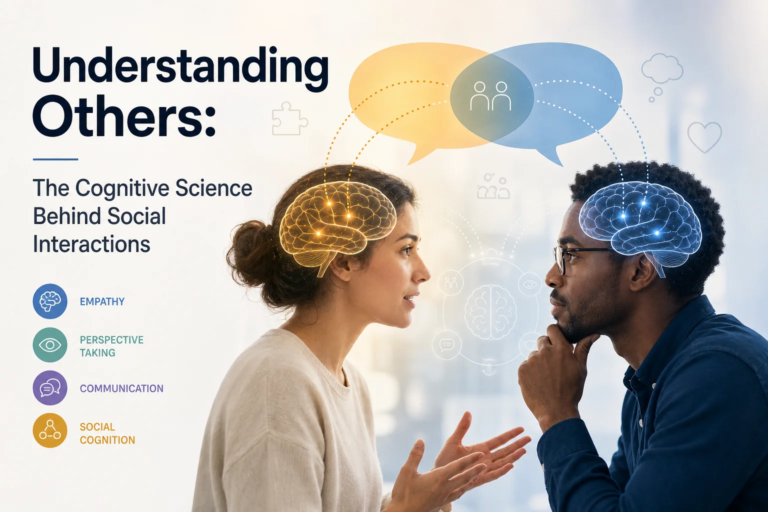
Non-verbal communication often relies heavily on visual cues. Facial expressions, body language, and eye contact play pivotal roles in how we relate to others.
Case Study: Emotional Recognition
A compelling study published in the Journal of Nonverbal Behavior illustrated the importance of visual perception in recognizing emotions. Participants identified emotions from facial expressions with remarkable accuracy, highlighting that visual cues are fundamental to social interactions. The implications resonate in fields like psychology, counseling, and even education.
3. Aesthetic Appreciation
Our capacity to appreciate beauty—whether in art, nature, or design—stems from visual perception. This ability shapes our experiences and enriches our lives.
Case Study: Art and Design
The interplay of color theory and perception can significantly affect our emotional responses to art. A study by the University of Amsterdam found that color choices in design profoundly influence our feelings and behaviors. This finding highlights the power of visual perception beyond the mere act of seeing.
4. Decision-Making and Consumer Behavior
Visual perception plays a vital role in how we make decisions, especially as consumers. Advertisers, recognizing this, craft visually engaging content to influence buying behaviors.
Case Study: The Impact of Colors in Marketing
A study from the University of Loyola found that color improves brand recognition by up to 80%. Furthermore, the emotional impact of colors can sway consumer preferences. For instance, the color red is often associated with urgency and excitement, while blue induces a sense of calm and trust. This demonstrates how deeply visual perception affects our choices.
5. Learning and Education
Visual aids are essential tools in education. From infographics to videos, visual resources enhance learning and retention.
Case Study: Visual Learning Strategies
A study by the National Training Laboratories found that visual learning strategies lead to better retention rates compared to auditory methods. This indicates that incorporating visual elements into teaching can significantly enhance comprehension and engagement.
6. Technology and Virtual Interactions
As technology evolves, so does the role of visual perception in our daily lives. Virtual reality (VR) and augmented reality (AR) are redefining how we interact with our world.
Case Study: VR in Therapy
Research has shown that VR can be an effective therapeutic tool for treating phobias and PTSD. By immersing patients in a controlled visual environment, therapists can help individuals confront their fears safely, showcasing the transformative power of visual perception.
The Nuances of Visual Perception
The Role of Cultural Factors
Visual perception is not a uniform experience; it is influenced by cultural backgrounds and personal experiences. Cultural differences can shape how we interpret visual stimuli and understand symbols.
Case Study: Cross-Cultural Perception
Research has indicated that people from collectivist cultures may focus more on contextual details, while those from individualistic cultures tend to concentrate on focal objects. This highlights how cultural factors guide interpretation, emphasizing the need for sensitivity in global communications.
The Future of Visual Perception
As we navigate the digital age, the importance of visuals continues to grow. With the rise of AI and machine learning, our interaction with visual data is evolving.
Case Study: Eye Tracking Technology
Innovations in eye-tracking technology have profound implications for understanding how people interact with visual content. Companies like Google utilize this technology to optimize user experience, revealing how visual perception will continue to shape the digital landscape.
Conclusion
In exploring "Beyond Sight: The Role of Visual Perception in Everyday Life," we uncover the multifaceted ways visual perception influences our existence. From enhancing our navigation skills and social interactions to guiding our consumption behaviors and learning processes, visual perception is deeply integrated into our daily lives. Understanding this role empowers us to be more mindful and intentional in our interactions with the world around us.
As you move through life, take a moment to pause and appreciate the intricate dance of colors, shapes, and movements all around you. Visual perception is not just about seeing; it’s about experiencing the depth of the world in all its complexities. Embrace this insight and explore the empowering potential of your visual capacity in crafting a richer, more fulfilling life.
FAQs
1. What is visual perception?
Answer: Visual perception is the brain’s process of interpreting and making sense of visual information from the eyes, going beyond just the act of seeing.
2. How does visual perception affect social interactions?
Answer: Visual cues such as facial expressions and body language are integral for communication, enabling us to understand emotions and intentions without words.
3. Can visual perception improve learning?
Answer: Yes, incorporating visual aids in learning significantly enhances comprehension and retention, according to various studies.
4. How does color influence consumer decisions?
Answer: Colors evoke specific emotions and responses, greatly affecting how consumers perceive and engage with brands and products.
5. What is the role of culture in visual perception?
Answer: Cultural backgrounds can shape how individuals interpret visual stimuli, leading to varied understandings of symbols and contexts.
As we continue to explore the world and its visual nuances, remember the key phrase: "Beyond Sight: The Role of Visual Perception in Everyday Life"—a concept that encapsulates the profound impact of how we see and interpret the world around us.
About the Author


The PsyForU Editorial Collective is the research and editorial team of PsyForU Research International. The collective prepares educational, psychological, mental-health-awareness, inclusion, neurodiversity, and research-methodology content for students, parents, educators, researchers, and general readers. PsyForU content is intended for awareness, education, and capacity-building and should not be treated as clinical diagnosis, therapy, medical advice, legal advice, or emergency mental-health support.