Introduction
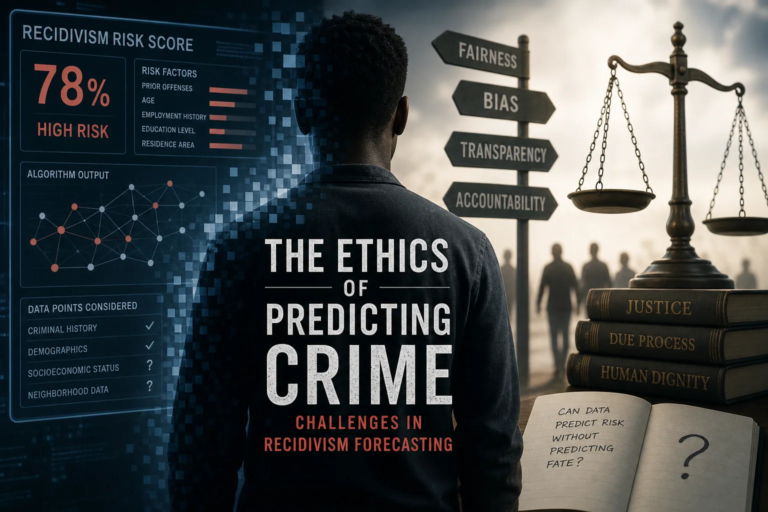
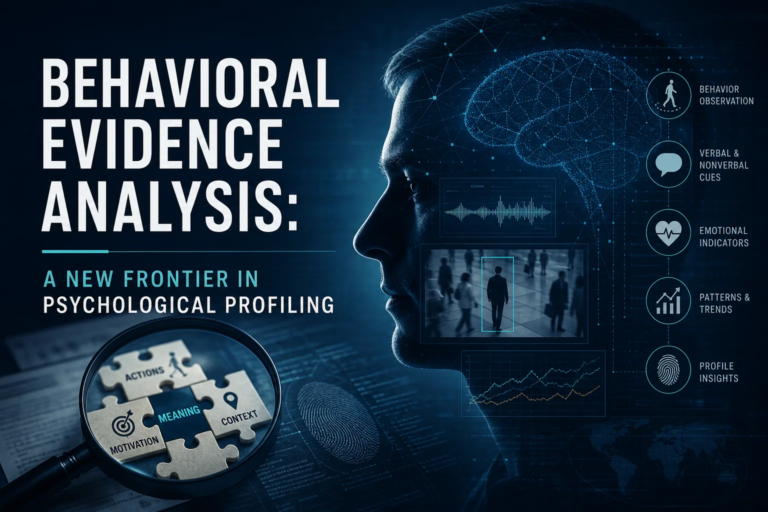
In an era of rapid technological advancement and evolving global threats, understanding threat assessments can be the difference between a secure organization and a vulnerable one. From cyberattacks to workplace violence, the threats that organizations face today are diversifying and becoming more sophisticated. In this comprehensive guide, "Understanding Threat Assessment: A Comprehensive Guide for Organizations," we will explore the importance of threat assessments, delve into methodologies, and provide actionable insights to protect your organization effectively.
The Importance of Threat Assessment
Imagine waking up to a breach in your organization’s data, compromising sensitive client information and eroding trust—an all-too-familiar nightmare for many organizations today. This emphasizes the need for a solid framework for understanding and implementing threat assessments. Not only does this process identify potential risks, but it also equips organizations with the strategies to mitigate them effectively.
Content Overview
- What is Threat Assessment?
- The Threat Assessment Process
- Identification
- Evaluation
- Mitigation
- Case Studies
- Cybersecurity Attack: The Target Incident
- Workplace Violence: The Philadelphia School District Case
- Tools and Resources for Threat Assessment
- Conclusion
- FAQs
What is Threat Assessment?
At its core, threat assessment is the process of identifying, evaluating, and managing risks that could compromise an organization’s assets, personnel, and reputation. It encompasses various threats—physical, technological, and even reputational.
Key Components:
- Proactive Approach: Understanding threat assessment allows organizations to identify vulnerabilities before they are exploited.
- Interdisciplinary Methodology: The process often involves IT, security, HR, and legal teams to create a holistic viewpoint.
- Actionable Framework: Rather than simply identifying risks, effective threat assessments lead to actionable strategies.
The Threat Assessment Process
Identification
The first step in understanding threat assessment is identifying various threats relevant to your organization. This can include internal threats (e.g., employee behavior) and external threats (e.g., cybercrime).
Tools for Identification:
- Surveys and Audits: Conduct regular surveys to gauge the awareness of potential threats among employees.
- Threat Intelligence Services: Utilize external databases that provide insights on recent threats.
Evaluation
Once threats are identified, the next step is to evaluate their potential impact. This involves analyzing the likelihood of each threat occurring and its severity.
Methods for Evaluation:
| Threat Type | Likelihood (Low/Medium/High) | Impact (Low/Medium/High) |
|---|---|---|
| Cyber Attack | High | High |
| Workplace Violence | Medium | High |
| Natural Disaster | Low | Medium |
Mitigation
Finally, after identifying and evaluating threats, organizations must implement measures to mitigate them.
Mitigation Strategies:
- Cybersecurity Protocols: Invest in firewalls, encryption, and regular updates.
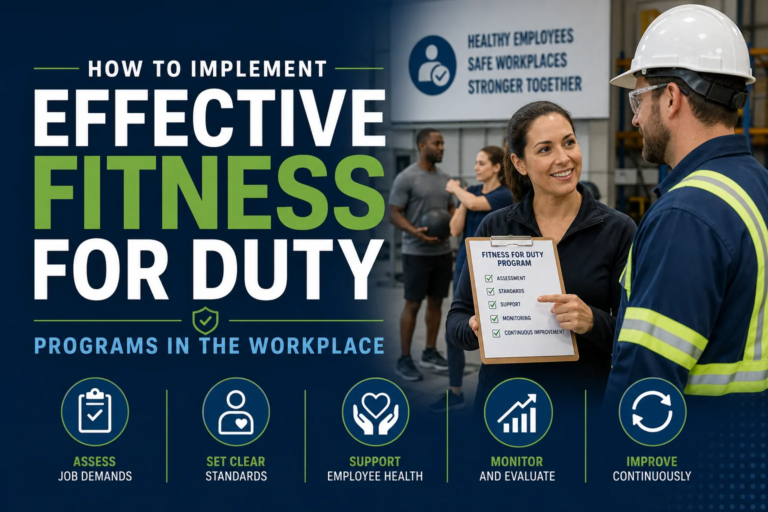
- Training Programs: Regular training for employees on behavioral cues and emergency responses can significantly reduce risks related to workplace violence.
Case Studies
Cybersecurity Attack: The Target Incident
In 2013, Target faced a massive data breach where hackers gained access to 40 million credit card accounts. The incident showcases the critical need for robust cybersecurity measures and effective threat assessment frameworks.
Analysis:
- Identification: Target had potential vulnerabilities in its payment systems.
- Evaluation: The organization did not fully assess the likelihood of such an attack occurring.
- Mitigation: Post-breach, the company invested heavily in cybersecurity training and infrastructure improvements.
Workplace Violence: The Philadelphia School District Case
In 2018, the Philadelphia School District examined the risks of workplace violence. By conducting a thorough threat assessment, they identified behavioral warning signs and implemented intervention programs.
Analysis:
- Identification: The district recognized patterns of disruptive behavior.
- Evaluation: Staff were trained to assess the risks associated with these behaviors effectively.
- Mitigation: The intervention programs reduced incidents of violence by over 30%.
Tools and Resources for Threat Assessment
Online Platforms
- ThreatConnect: Provides a threat intelligence platform that assists organizations in identifying potential threats.
- SecurityScorecard: Offers ratings that can help organizations understand their cyber vulnerabilities.
Recommended Readings
- “The Cybersecurity Playbook”: A definitive guide for establishing a robust cyber defense.
- “Workplace Safety: A Guide for Managers”: An essential resource for managing workplace risks.
| Resource | Purpose |
|---|---|
| ThreatConnect | Threat Intelligence |
| SecurityScorecard | Cyber Vulnerability Ratings |
Conclusion
Understanding threat assessment is not just a regulatory compliance issue; it is an essential practice for fostering a secure organizational culture. To survive in this complex landscape, organizations must continuously evaluate and improve their threat assessment processes.
Take the first step today—conduct a thorough assessment of your organization and instill a proactive approach toward threats. In the face of evolving challenges, the commitment to understanding threat assessment can be the ultimate advantage.
FAQs
What is the primary goal of a threat assessment?
- The primary goal is to identify, evaluate, and mitigate risks that could impact an organization’s assets and personnel.
Who should be involved in the threat assessment process?
- An interdisciplinary team involving IT, HR, Legal, and Security personnel should collaborate for a comprehensive assessment.
How often should threat assessments be conducted?
- Regular assessments should be scheduled, at least annually, but they should also be reassessed after any major organizational change or incident.
What is the difference between threat assessment and risk management?
- Threat assessment focuses on identifying and understanding specific threats, while risk management encompasses broader strategies to mitigate those threats.
- Can small organizations benefit from threat assessments?
- Absolutely! Small organizations are often more vulnerable to threats, making threat assessments vital for protecting their assets and reputation.
By investing in understanding threat assessments, organizations not only comply with regulations but also build resilience, fostering a safer workplace for everyone involved.
About the Author


The PsyForU Editorial Collective is the research and editorial team of PsyForU Research International. The collective prepares educational, psychological, mental-health-awareness, inclusion, neurodiversity, and research-methodology content for students, parents, educators, researchers, and general readers. PsyForU content is intended for awareness, education, and capacity-building and should not be treated as clinical diagnosis, therapy, medical advice, legal advice, or emergency mental-health support.