Beyond the Standard: Customizing Curriculum for Children with Learning Disabilities
Introduction
Imagine a classroom filled with diverse learners, each one equipped with unique strengths and challenges. In this vibrant environment, one child tentatively raises her hand, eager to participate, while another struggles to keep up with the pace of instruction. For children with learning disabilities, the traditional "one-size-fits-all" curriculum often falls short. In this comprehensive article, we will explore how moving "Beyond the Standard: Customizing Curriculum for Children with Learning Disabilities" can create a nurturing educational framework tailored to the individual needs of every student.
By understanding the complexities behind learning disabilities and implementing customized teaching strategies, educators and parents can unlock each child’s potential. Let’s dive into the effective practices, innovative approaches, and real-world applications that are reshaping education for these remarkable young minds.
Understanding Learning Disabilities
What Are Learning Disabilities?
Learning disabilities refer to a variety of neurological conditions that affect the brain’s ability to receive, process, and communicate information. Common types include dyslexia, dysgraphia, and dyscalculia. These challenges can significantly impact a child’s reading, writing, and math skills, leading to frustration and low self-esteem.
Key Statistics
- Approximately 1 in 5 students has a learning disability.
- Early intervention can lead to improved outcomes in academic achievement and self-confidence.
Identifying Learning Disabilities
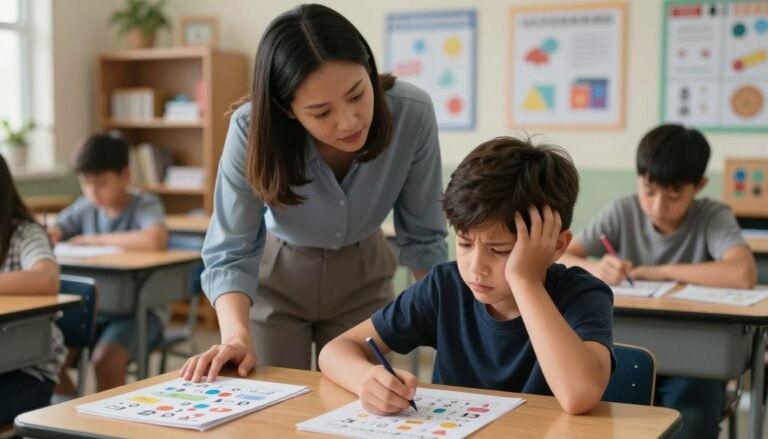
Recognizing learning disabilities early is crucial. Teachers and parents should look for signs such as difficulty in reading comprehension, poor spelling, challenges in math concepts, or trouble with fine motor skills. A multi-faceted evaluation involving educators, psychologists, and specialists can provide insight to guide customization of the curriculum.
The Importance of Customizing Curriculum
Why Go Beyond the Standard?
Conventional teaching methods can inadvertently marginalize students with learning disabilities. Customizing the curriculum allows for individualized learning pathways, respecting each child’s unique way of processing information. Effective customization not only boosts academic performance but also nurtures essential life skills.
The Benefits of a Customized Curriculum
- Personalized Learning Experience: Tailors lessons to meet each child’s interests, strengths, and weaknesses.
- Increased Engagement: Less frustration and more opportunities for success foster motivation to learn.
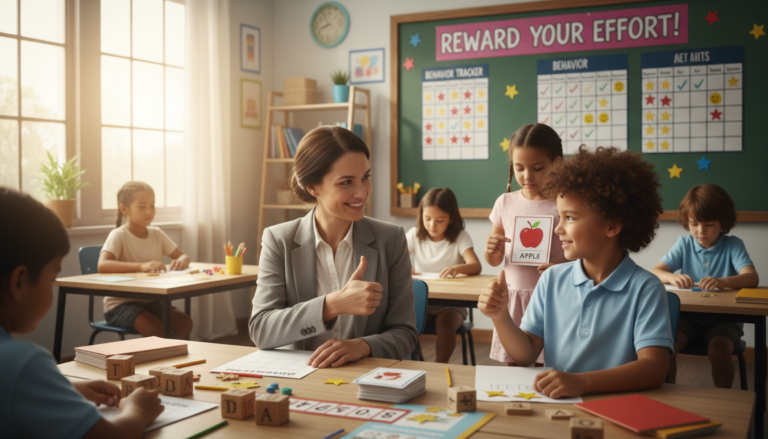
- Builds Confidence: Children celebrate small wins, leading to greater self-esteem over time.
Strategies for Customizing Curriculum
Differentiated Instruction
Differentiated instruction is a central tenet in customizing curriculum. It involves offering various pathways for students to access and engage with content. Here are several techniques:
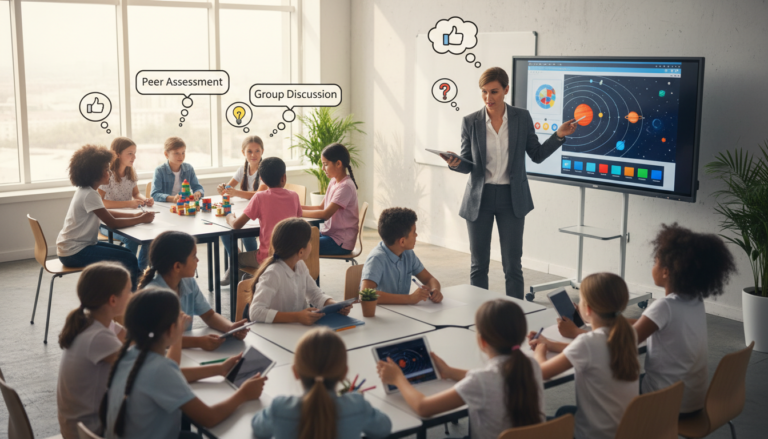
- Flexible Grouping: Students can work in varied groups based on their strengths, which also provides peer-support opportunities.
- Tiered Assignments: Assignments can be modified according to student readiness, ensuring accessibility without compromising rigor.
Case Study: Ms. Taylor’s Classroom
In a fourth-grade classroom, Ms. Taylor employs differentiated instruction by dividing her class into small groups for reading activities. She prepares tiered assignments that cater to varying levels of reading fluency. By integrating audiobooks for struggling readers while providing complex texts for advanced students, she successfully engages all learners.
Analysis: This approach highlights how customized instruction empowers educators to address diverse learning needs while promoting collaborative learning environments.
Multi-Sensory Approaches
Incorporating multi-sensory techniques can significantly aid children with learning disabilities. Engaging multiple senses helps reinforce concepts and enhances memory retention.
- Visual Aids: Charts, diagrams, and graphic organizers provide visual representation of information.
- Interactive Technology: Tools like interactive whiteboards and educational apps can be used for hands-on learning experiences.
Case Study: Mr. Johnson’s Math Class
Mr. Johnson integrates technology by using math software that offers visual and auditory feedback as students work through problems. For example, when a student struggles with multiplication, the program gives immediate feedback and visually demonstrates the steps involved.
Analysis: Mr. Johnson’s innovative use of technology illustrates how educators can create inclusive curricula that resonate with students’ learning preferences.
Collaborative Learning Environments
Creating a collaborative classroom fosters an atmosphere of support and empathy. Peer-to-peer mentoring can empower students and offer them platforms to share their unique insights.
- Group Projects: Encourage collaboration where students can play to their strengths while learning from each other.
- Peer Tutoring: Older students or classmates can provide guidance, promoting a sense of community.
Case Study: The Buddy System
At Greenfield Middle School, teachers implemented a "buddy system" where students with learning disabilities are paired with peers. This arrangement not only aids learning but also helps develop social skills and friendships.
Analysis: This mutually beneficial relationship emphasizes an essential aspect of customizing curriculum—creating peer connections that enhance both academic and social experiences.
Evaluating Effectiveness
Monitoring Progress
Tracking progress is vital in assessing the effectiveness of customized curricula. Educators should utilize various assessment tools, including:
- Formative Assessments: Ongoing assessments to monitor student understanding and guide instruction.
- Student Feedback: Gathering insights from students about what works for them can inform future curricular adjustments.
Adjustments and Flexibility
Customizing curriculum is not a "set it and forget it" process. It requires continuous adjustments based on ongoing evaluations and feedback. Educators, parents, and specialists must maintain open lines of communication to ensure strategies remain effective.
Tables and Charts
| Strategy | Description | Benefits |
|---|---|---|
| Differentiated Instruction | Tailoring lessons based on students’ readiness levels | Increased engagement and understanding |
| Multi-Sensory Approaches | Utilizing multiple senses in learning | Enhanced retention and understanding |
| Collaborative Learning | Encouraging peer support and teamwork | Builds social skills and empathy |
Conclusion
In an ever-evolving educational landscape, it is essential to go "Beyond the Standard: Customizing Curriculum for Children with Learning Disabilities." By embracing differentiation, leveraging technology, and fostering collaboration, we can empower students with learning disabilities to reach their full potential.
Every child deserves to be celebrated for their unique abilities, and with the right tools and strategies, educators can transform lives, instilling a love for learning and resilience that lasts a lifetime.
Takeaway
Let’s unite as educators, parents, and communities to champion customized education options that celebrate diversity in learning. The journey is challenging, but when we prioritize inclusivity and innovation, the rewards are immeasurable.
FAQs
1. What is the first step in customizing curriculum for a child with a learning disability?
The first step involves identifying the child’s specific learning needs through assessments, observations, and discussions with specialists.
2. How can parents contribute to customizing the curriculum at home?
Parents can reinforce learning through supportive practices like reading together, playing educational games, and encouraging open discussions about school.
3. What are some effective teaching methods for kids with learning disabilities?
Methods such as differentiated instruction, multi-sensory learning, and project-based learning have proven effective in catering to diverse learning needs.
4. Are there resources available for educators looking to customize their curriculum?
Yes! Numerous organizations and online platforms provide lesson plans, tools, and professional development opportunities specifically for teaching students with learning disabilities.
5. How can technology aid in customizing curriculum?
Technology offers various adaptive aids, interactive software, and multimedia resources that cater to different learning styles and needs.
6. What role does collaboration play in customizing education?
Collaboration fosters a sense of community, allowing students to learn from one another while gaining social skills and building empathy towards peers with challenges.
By reshaping our approach to education, we can transform struggles into triumphs, ensuring every child is empowered to succeed.
About the Author


Dr. Leah Howard, Positive Psychology
Dr. Howard is a researcher and advocate for positive psychology, focusing on human strengths, happiness, and well-being. Her writings explore how people can cultivate a positive mindset, improve resilience, and develop emotional intelligence to live fulfilling lives.