From Inclusivity to Success: The Ultimate Guide to Adjusting Classroom Activities for Students with Learning Disabilities
Introduction
In our increasingly diverse classrooms, the commitment to inclusivity is not just a moral imperative; it is a pathway to success—educationally, socially, and emotionally. Understanding From Inclusivity to Success: How to Adjust Classroom Activities for Students with Learning Disabilities is crucial for educators who aspire to foster an environment where every student can thrive. According to the National Center for Learning Disabilities, approximately 1 in 5 children in the U.S. has a learning disability. This substantial statistic underlines the importance of tailoring classroom activities to meet diverse learning needs.
As educators, our role extends beyond imparting knowledge; we are responsible for developing a supportive framework where every learner feels valued and capable. In this article, we will explore effective strategies that can be implemented to adjust classroom activities for students with learning disabilities. We will present case studies that highlight real-world applications of these strategies, backed by data and insightful analysis.
Understanding Learning Disabilities
What Are Learning Disabilities?
Learning disabilities encompass a range of neurological conditions that affect the way individuals process information. These disabilities can manifest in various ways, such as difficulties in reading, writing, spelling, reasoning, or mathematical skills. It is essential to recognize that students with learning disabilities often exhibit unique strengths alongside their challenges, making a tailored approach imperative.
Types of Learning Disabilities
- Dyslexia – Affects reading and language processing.
- Dysgraphia – Impacts writing, spelling, and formatting.
- Dyscalculia – Challenges with number-related concepts and calculations.
- Auditory Processing Disorder – Difficulty in processing sounds, hindering language comprehension.
Creating an Inclusive Classroom Environment
The Importance of a Supportive Atmosphere
An inclusive classroom environment is the foundation for adjusting classroom activities. When students feel safe, respected, and valued, they are more likely to engage actively in learning. Establishing this atmosphere involves:
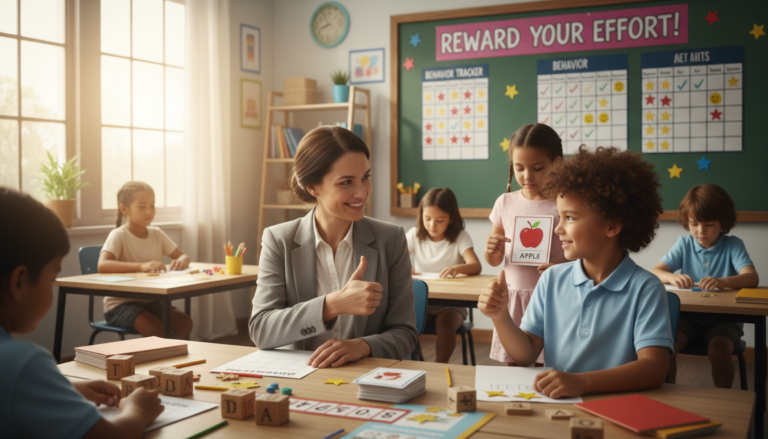
- Setting clear expectations: Communicate behavioral and academic standards to foster a sense of security.
- Encouraging collaboration: Promote cooperative learning through group activities, allowing students to support one another.
Case Study: Building an Inclusive Culture at Hillside Elementary
At Hillside Elementary, teachers implemented a program focused on inclusivity. They combined social-emotional learning with academic goals, leading to remarkable improvements in student engagement and performance. For instance, students reported feeling more understood and accepted, which was reflected in their improved test scores.
Relevance: This case illustrates how a supportive environment fosters success, aligning with our focus keyword, From Inclusivity to Success: How to Adjust Classroom Activities for Students with Learning Disabilities.
Strategies for Adjustment in Classroom Activities
Differentiated Instruction
Differentiated instruction caters to diverse learning styles by modifying content, process, product, and learning environment. Here’s how:
- Content: Provide varied reading materials on the same subject matter, tailored to different reading levels.
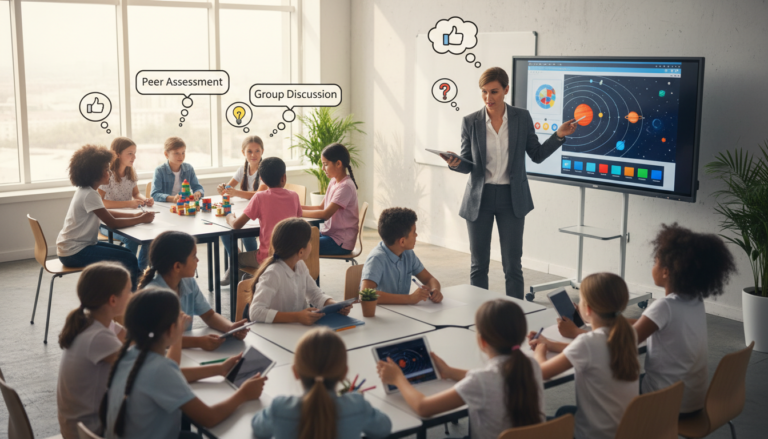
- Process: Use various teaching methods like cooperative learning, hands-on activities, and digital tools.
- Product: Allow students multiple ways to demonstrate understanding, such as projects, presentations, or written reports.
Case Study: Mr. Thompson’s Math Class
Mr. Thompson taught a diverse 5th-grade math class. He adopted differentiated instruction by implementing tiered assignments based on student readiness. While advanced students tackled complex problem-solving tasks, others worked on foundational concepts with guided support. The outcome? All students demonstrated growth by the end of the semester.
Relevance: This case reflects the effectiveness of differentiation in enhancing educational outcomes for students with learning disabilities, showcasing the essence of From Inclusivity to Success: How to Adjust Classroom Activities for Students with Learning Disabilities.
Multi-Sensory Learning
Employing a multi-sensory approach stimulates different senses to enhance learning. Techniques include:
- Visual aids: Use charts, diagrams, and videos.
- Kinesthetic activities: Integrate movement into lessons, such as using physical objects to teach mathematical concepts.
Case Study: The Multi-Sensory Approach at Green Valley School
At Green Valley School, teachers implemented a multi-sensory strategy for teaching spelling. By using manipulatives, sound, and visual cues, students with dyslexia showed marked improvement in retention and spelling accuracy, emphasizing the power of engaging various senses.
Relevance: This case underscores the importance of sensory engagement in learning, further supporting our theme—From Inclusivity to Success: How to Adjust Classroom Activities for Students with Learning Disabilities.
Tools and Resources for Educators
Technology in the Classroom
The integration of technology can transform learning for students with disabilities by making education more accessible and engaging. Consider tools like:
- Text-to-Speech software: Assists students with reading difficulties.
- Graphic organizers: Help students structure their thoughts visually.
Case Study: Technology Integration at Riverside High
Riverside High adopted a series of technological tools, including interactive whiteboards and educational apps. Teachers reported significant engagement levels and academic improvement among students with learning disabilities, reinforcing the positive impact of technology on learning.
Relevance: This illustrates how embracing modern tools aligns with our focus keyword, leading to more effective strategies—From Inclusivity to Success: How to Adjust Classroom Activities for Students with Learning Disabilities.
Assessing Progress
Continuous Feedback and Assessment
Regular, constructive feedback is crucial for student growth. Consider employing formative assessment strategies that provide ongoing insights into student understanding. These may include:
- Peer assessments: Encouraging collaborative critiques among students.
- Self-assessments: Empowering students to reflect on their learning process.
Case Study: Formative Assessment at Maple Grove Academy
At Maple Grove Academy, teachers integrated continuous assessment methods into their curriculum. This approach not only helped identify students’ strengths and weaknesses but also created opportunities for targeted intervention, propelling academic success for students with learning disabilities.
Relevance: This example illustrates the importance of ongoing assessment in fostering inclusivity and success in the classroom, further linking to our main focus keyword.
The Role of Collaboration
Partnering with Specialists
Collaborating with special education teachers and specialists can provide additional resources and strategies tailored to students with learning disabilities. This collaborative approach creates a more comprehensive educational experience.
Case Study: Collaborative Practices at Crestview School
Crestview School developed a partnership program that facilitated regular consultation between general education and special education teachers. As a result, individualized strategies tailored to students’ needs enhanced the overall learning experience for students with disabilities.
Relevance: This case underscores the value of collaborative efforts in creating successful educational experiences, reinforcing our focus on From Inclusivity to Success: How to Adjust Classroom Activities for Students with Learning Disabilities.
Conclusion
Creating an inclusive classroom is not merely a task but a journey toward enriching the educational landscape for students with learning disabilities. As educators, it is our duty to ensure that every child feels capable of achieving their utmost potential. By embracing strategies like differentiated instruction, multi-sensory learning, and incorporating technology while fostering a collaborative environment, we pave the way for success.
As we reflect on From Inclusivity to Success: How to Adjust Classroom Activities for Students with Learning Disabilities, let us remember that each step we take toward inclusivity is a step toward unlocking the vast potential within each student. Together, we can build classrooms that celebrate diversity and promote success for all learners.
FAQs
1. What are some common learning disabilities?
Some common types of learning disabilities include dyslexia, dyscalculia, and dysgraphia. Each affects different areas of learning, requiring tailored strategies for support.
2. How can teachers best support students with learning disabilities?
Teachers can support these students by employing differentiated instruction, using multi-sensory learning techniques, and providing ongoing feedback and assessments.
3. Is technology beneficial for students with learning disabilities?
Yes, technology such as text-to-speech software, educational apps, and graphic organizers can significantly enhance learning for students with disabilities by making content more accessible.
4. What role does collaboration play in supporting students with learning disabilities?
Collaboration among educators, specialists, and families ensures that holistic support is provided for students, resulting in more effective strategies tailored to individual needs.
5. How can I assess the progress of students with learning disabilities?
Formative assessment methods, including regular feedback, peer assessments, and self-reflection, are effective ways to monitor and support the learning journey of students with disabilities.
6. How can emotional and social learning aid students with learning disabilities?
Integrating social-emotional learning into the curriculum helps students with learning disabilities develop important skills like self-efficacy and resilience, which contributes to their overall success in the classroom.
By prioritizing effective strategies and fostering a commitment to inclusivity, educators can truly make a difference in the lives of students with learning disabilities. Together, let’s move from inclusivity to success!
About the Author


Dr. Leah Howard, Positive Psychology
Dr. Howard is a researcher and advocate for positive psychology, focusing on human strengths, happiness, and well-being. Her writings explore how people can cultivate a positive mindset, improve resilience, and develop emotional intelligence to live fulfilling lives.