Introduction
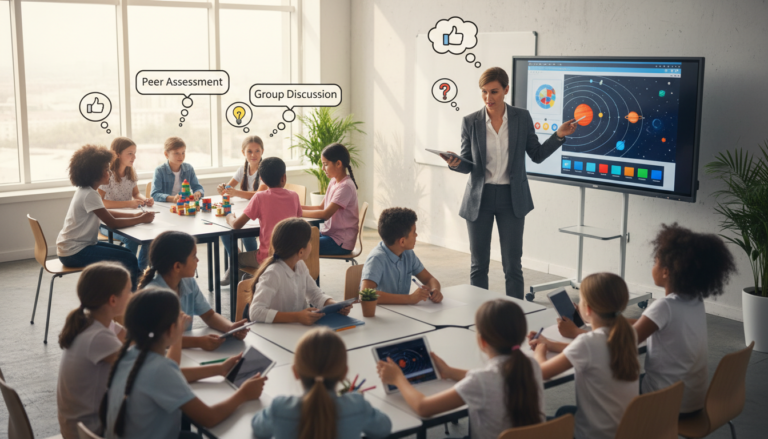
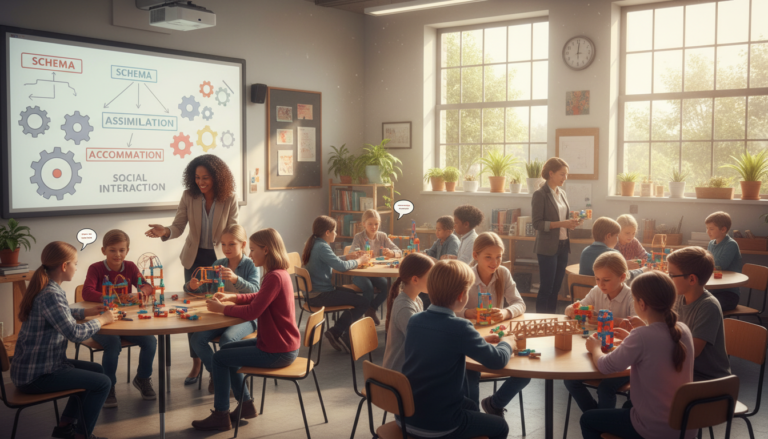
In today’s fast-paced educational landscape, the traditional roles of teachers, parents, and students are rapidly evolving. Collaboration among these three crucial stakeholders is not just beneficial; it’s essential. The importance of Collaborative Approaches to Academic Interventions: Teachers, Parents, and Students Unite cannot be overstated as they pave the way for innovative solutions to the challenges faced in educational settings. Imagine a triangle of support where each point bolsters the others—enhancing student outcomes, fostering stronger relationships, and contributing to a more inclusive learning environment. In this article, we will delve deeply into the advantages of such collaborative approaches, backed by compelling case studies and realistic strategies.
The Power of Collaboration in Education
Defining Collaboration in Academic Interventions
Collaboration in education refers to the cooperative efforts of teachers, parents, and students towards achieving academic success. This entails sharing resources, strategies, and feedback to craft personalized learning experiences. The concept of collaboration breaks down traditional barriers, allowing the stakeholders to unite their strengths for comprehensive solutions.
Why Collaboration Matters
- Holistic Approach: By working together, stakeholders can address various challenges from multiple angles.
- Empowerment: Each party feels valued and has a stake in the academic success of the student.
- Resource Sharing: Different entities can pool their resources, skills, and knowledge for better outcomes.
Building Blocks of Collaborative Approaches
To create a successful collaborative framework, various components must come into play. Let’s explore these key building blocks:
Open Communication Channels
For collaboration to bear fruit, constant, open communication is crucial. Regular meetings, newsletters, and digital communication tools can bridge gaps.
- Examples: Parent-teacher conferences and classroom newsletters keep everyone informed.
Shared Goals and Expectations
Creating common objectives helps align the focus of all parties involved.
- Case Study: At Maplewood Elementary, setting shared objectives for literacy improvement resulted in a 20% increase in reading scores within a year due to unified efforts from teachers, parents, and students.
Professional Development
Teachers should be equipped with training on how to facilitate collaboration effectively.
- Examples: Workshops on the importance of parental engagement in classrooms can enhance collaborative efforts.
Student-Centric Focus
At the heart of any collaborative approach lies the student. Keeping their needs at the forefront ensures the efforts remain relevant.
Successful Implementations of Collaborative Approaches
Case Study 1: The Victory at Ridgeway High School
Ridgeway High School faced challenges with declining student engagement and performance in STEM subjects. Recognizing the issue, the school implemented a collaborative model centered around frequent involvement of parents, students, and educators.
- Strategy: They initiated bi-weekly workshops where parents and teachers collaborated on STEM projects, with students leading the sessions.
- Outcome: Student scores in math and science increased by 30%, illustrating the effectiveness of Collaborative Approaches to Academic Interventions: Teachers, Parents, and Students Unite.
Analysis
This case highlights how active parental involvement can rejuvenate student interest and engagement. It shows how involving students in the teaching process enhances collaboration and builds leadership skills.
Case Study 2: The Collective Success of Dream Big Academy
At Dream Big Academy, a school focused on fostering social-emotional learning, the administration launched a program that involved weekly “family nights.”
- Strategy: Activities during these nights included collaborative educational games that required input from both parents and their children, guided by teachers.
- Outcome: Not only did attendance skyrocket, but behavioral issues decreased by 50% in just two semesters.
Analysis
This case study demonstrates that engagement of families in a fun, inclusive setting can improve both academic performance and behavior, a win-win situation for everyone involved.
Practical Strategies for Collaboration
Engage Parents and Guardians
Tip: Create an open-door policy where parents feel welcome to contribute ideas and resources.
Utilize Technology
Digital Tools: Use platforms like Google Classroom, where parents can monitor assignments and participate in discussions, enhancing transparency.
Host Inclusive Workshops
Regular Events: Organize monthly workshops focusing on educational strategies that benefit both parents and students.
Encourage Student Voice
Students as Partners: Include students in decision-making processes related to their education to empower them and give them ownership.
Challenges to Overcome
Resistance to Change
Not everyone is familiar with collaborative practices. Resistance can stem from a lack of awareness or previous negative experiences.
Time Constraints
Busy schedules can make collaboration difficult. Flexibility in meeting schedules and methods is essential to overcome this.
Miscommunication
Without clear and consistent communication, collaborative efforts can falter. Establishing structured communication strategies can mitigate this.
Conclusion
In the ever-changing world of education, Collaborative Approaches to Academic Interventions: Teachers, Parents, and Students Unite prove to be the golden thread weaving together disparate experiences into a cohesive narrative for student success. By actively engaging all stakeholders, we create a supportive network that empowers students, fosters stronger relationships, and leads to sustainable improvements in academic performance. The momentum of collaboration moves beyond the classroom; it cultivates a community dedicated to lifelong learning where every voice matters.
To embark on this transformative journey, remember the golden rule: Engage, Empower, and Elevate!
FAQs
1. Why is collaboration important in academic interventions?
Collaboration brings together diverse perspectives and resources, leading to a more holistic approach to education.
2. How can schools foster collaboration among parents, teachers, and students?
Schools can establish regular communication channels, host workshops, and encourage student participation in decision-making.
3. What challenges might arise when implementing collaborative approaches?
Challenges include resistance to change, time constraints, and occasional miscommunication.
4. Can technology aid in collaborative approaches?
Absolutely! Digital tools can streamline communication and engagement among parents, teachers, and students.
5. How can we measure the success of collaborative interventions?
Success can be evaluated through academic performance metrics, student engagement surveys, and feedback from parents and teachers.
By embracing and exemplifying Collaborative Approaches to Academic Interventions: Teachers, Parents, and Students Unite, we can redefine educational success, one collaboration at a time.
About the Author


The PsyForU Editorial Collective is the research and editorial team of PsyForU Research International. The collective prepares educational, psychological, mental-health-awareness, inclusion, neurodiversity, and research-methodology content for students, parents, educators, researchers, and general readers. PsyForU content is intended for awareness, education, and capacity-building and should not be treated as clinical diagnosis, therapy, medical advice, legal advice, or emergency mental-health support.