Introduction
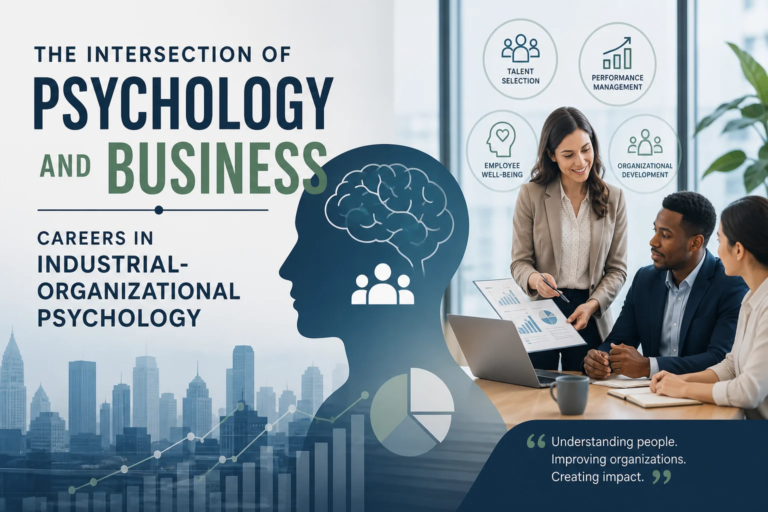
In today’s complex world of work, understanding human behavior is no longer just a nice-to-have for HR professionals—it’s an essential pillar for organizational success. "Decoding Workplace Behavior: What Psychology Reveals to HR Professionals" is fundamentally about bridging the gap between human dynamics and organizational performance. This comprehensive study digs deep into the psyche of employees, offering actionable insights that can transform workplace culture, enhance employee satisfaction, and ultimately drive business outcomes.
The Importance of Decoding Workplace Behavior
Workplace behavior can be as intricate as an elaborate dance—each employee has a unique rhythm, influenced by personal history, motivation, and external environments. The ability to decode these behaviors can lead to improved recruitment processes, better employee retention, effective conflict resolution, and higher overall morale.
Understanding Fundamental Psychological Principles
1. Theories of Motivation
Motivation theories provide vital frameworks for understanding employee behavior. Here are a few that are especially relevant:
Maslow’s Hierarchy of Needs: According to this theory, individuals are motivated by a series of progressive needs, from basic physiological needs to self-actualization. Understanding this hierarchy enables HR professionals to create environments that meet these diverse needs.
- Herzberg’s Two-Factor Theory: This theory breaks down motivators into two categories—hygiene factors and motivators. By addressing hygiene factors (e.g., salary, work conditions), HR can avoid dissatisfaction, while implementing motivators (e.g., recognition, responsibility) can enhance job satisfaction.
2. Behavioral Psychology in the Workplace
Behavioral psychology focuses on observable behaviors rather than the mental processes behind them. For instance, reward systems can be implemented effectively based on principles like reinforcement:
Positive Reinforcement: Rewarding desired behaviors encourages their recurrence.
- Negative Reinforcement: Removing undesirable factors can also enhance motivation.
Understanding these principles can aid in crafting policies that encourage desirable workplace behavior.
The Impact of Workplace Environment on Behavior
1. Organizational Culture
Organizational culture is sometimes termed the "personality" of an organization. HR professionals need to assess how culture influences behavior by:
Conducting Employee Surveys: Regular feedback can highlight cultural strengths and areas for improvement.
- Analyzing Turnover Rates: A high turnover rate may indicate cultural misalignment where employees feel undervalued.
2. Case Study: Google’s Open Floor Plan
Google’s open office concept is a prime example of how environment influences behavior. This strategy encourages collaboration and innovation, leading to improved morale and productivity. However, it also comes with challenges, such as noise distractions.
Analysis
Google’s model illustrates the importance of balancing openness with individual worker needs for quiet focus. HR professionals should assess their own organizational cultures and consider how the physical environment supports or undermines employee interaction.
Decoding Non-Verbal Cues
Understanding non-verbal communication is essential for HR. Around 70% of communication is non-verbal, and integrating this awareness into workplace dynamics can lead to positive outcomes.
1. Understanding Body Language
Body language can reveal unspoken sentiments. Here are essential signals to decode:
Crossed Arms: May indicate defensiveness.
- Eye Contact: Sustained eye contact can signify confidence or interest.
HR professionals can train managers to interpret these cues better, fostering an empathetic work environment.
2. Case Study: Employee Engagement Workshops
A retail corporation implemented workshops focused on emotional intelligence and non-verbal communication. These sessions aimed to enhance manager-employee interactions, resulting in a 25% increase in employee engagement.
Analysis
This case reaffirms the importance of non-verbal cues in communication. Educating management on these can significantly enhance workplace atmosphere, fostering trust and openness.
Psychological Safety and Its Role in the Workplace
1. The Concept of Psychological Safety
Psychological safety refers to an employee’s perception that they can speak up without fear of consequence. This concept has profound implications:
Encouragement of Innovation: When employees feel safe, they are more likely to share new ideas and solutions.
- Enhanced Feedback Loops: A culture of openness improves feedback mechanisms, essential for HR-driven engagement initiatives.
2. Case Study: Google’s Project Aristotle
Google conducted extensive research to understand team effectiveness and concluded that psychological safety was the single most important factor identifying high-performing teams.
Analysis
This pivotal finding illustrates that creating a culture where employees feel safe to express ideas significantly influences team dynamics and performance. HR must prioritize psychological safety to unlock employee potential.
Data-Driven Decision Making in HR
1. Leveraging Analytics
Data analytics can empower HR professionals to decode workplace behavior effectively. By analyzing patterns in employee turnover, satisfaction surveys, and performance metrics, HR can make informed decisions.
2. Case Study: IBM’s Talent Analytics
IBM utilizes talent analytics to identify key factors influencing employee engagement and retention. By understanding these elements, they can create targeted initiatives that reflect employee needs and preferences.
Analysis
This application of analytics demonstrates the clear benefits of combining psychological insights with data-driven methodologies to enhance workplace experiences.
Cultivating a Diverse and Inclusive Workplace
1. The Importance of Diversity
Diversity enriches workplace culture and drives innovation. However, managing diverse teams requires understanding different behavioral motivations and the psychological implications:
- Cultural Competence: HR professionals must be trained to manage diverse cultures effectively, ensuring all voices are respected.
2. Case Study: Salesforce’s Inclusive Culture
Salesforce employs a diversity and inclusion strategy that has led to recognized positive workplace behaviors. Their proactive approach includes regular training, open dialogues, and inclusive hiring processes.
Analysis
Salesforce’s model demonstrates that an inclusive environment not only fosters diversity but also enhances widespread employee engagement—essential elements in decoding workplace behavior.
Training and Development: An HR Imperative
1. Continuous Learning
Creating a culture of continuous learning helps decode behavior by enabling employees to adapt to changes productively.
2. Case Study: Amazon’s Upskilling Programs
Amazon has launched various training programs aimed at employee development, resulting in higher retention rates and job satisfaction.
Analysis
Investing in employee development is a powerful tool for decoding workplace behavior, as it shows commitment to staff growth and potential.
Technology and Its Role in Behavioral Insight
Today’s HR departments are increasingly leveraging technology to decode workplace behavior. From employee engagement apps to AI-driven analysis, technology offers vast opportunities for deeper understanding.
1. Employee Engagement Tools
Platforms like Officevibe and 15Five provide insights through anonymous feedback. These tools empower HR professionals to gauge employee sentiment effectively.
2. Case Study: Microsoft’s Use of Technology
Microsoft integrated tools to analyze team interactions, allowing for enhanced understanding and real-time adjustment to team dynamics.
Analysis
Microsoft demonstrates how technology can significantly streamline the process of decoding workplace behavior, leading to improved team cohesiveness and productivity.
Conclusion
"Decoding Workplace Behavior: What Psychology Reveals to HR Professionals" is crucial for creating environments where both employees and organizations thrive. By leveraging psychological principles, fostering open communication, embracing diversity, and utilizing data, HR professionals can gain deep insights that drive business success.
As we look ahead, it’s essential that HR not only decodes behavior but also responds with actions that cultivate an inclusive, motivating, and innovative workplace. The ultimate goal is not just to manage employees, but to empower them, turning behavioral insights into strategic action that builds a resilient organization.
FAQs
1. How can HR apply psychological theories in the workplace?
HR can utilize psychological theories by addressing employee needs, creating motivational incentives, and improving communication strategies that align with individual and organizational goals.
2. What role does organizational culture play in employee behavior?
Organizational culture shapes employee expectations and behaviors, influencing their engagement levels, satisfaction, and overall performance within the company.
3. How can HR professionals foster psychological safety?
HR can promote psychological safety by encouraging open communication, providing anonymity in feedback, and affirming that all employee contributions are valued and respected.
4. Why is understanding non-verbal cues essential in the workplace?
Understanding non-verbal cues helps HR professionals and managers engage effectively with employees, facilitating better communication and reducing misunderstandings.
5. How can technology aid in understanding employee behavior?
Technology enables the collection and analysis of data related to employee engagement, sentiment, and performance, providing insights that can inform HR strategies and policies.
Throughout this exploration of "Decoding Workplace Behavior: What Psychology Reveals to HR Professionals," it’s clear that the integration of psychological insights with robust HR practices can catalyze profound changes in workplace dynamics and outcomes. By focusing on these principles, organizations can create an environment that is not only productive but also genuinely fulfilling for their employees.
About the Author


The PsyForU Editorial Collective is the research and editorial team of PsyForU Research International. The collective prepares educational, psychological, mental-health-awareness, inclusion, neurodiversity, and research-methodology content for students, parents, educators, researchers, and general readers. PsyForU content is intended for awareness, education, and capacity-building and should not be treated as clinical diagnosis, therapy, medical advice, legal advice, or emergency mental-health support.