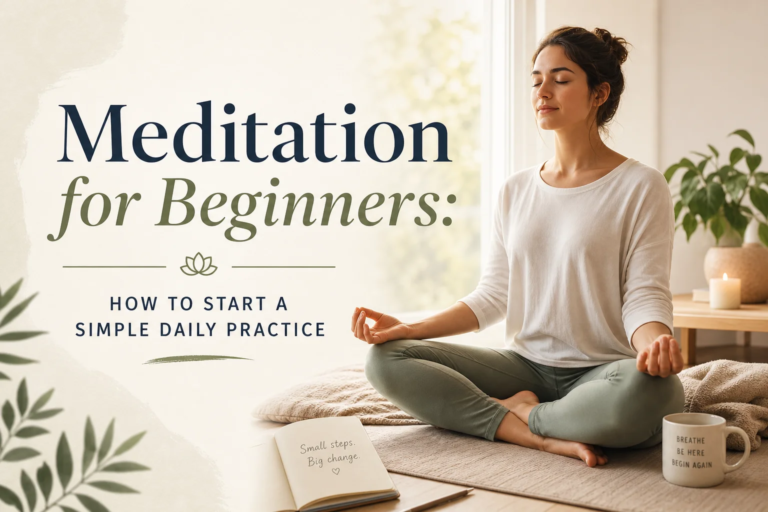
The Art of Presence: Mindfulness Strategies for Stress-Free Living
Introduction
In a world that often feels like it’s spinning out of control, the need for mindfulness and presence is more crucial than ever. We live in an age where distractions are abundant — from our buzzing smartphones to perpetual notifications bombarding us at every turn. By embracing The Art of Presence: Mindfulness Strategies for Stress-Free Living, we can cultivate a sense of calm that transcends the chaos. This article will guide you through effective mindfulness techniques that not only reduce stress but enhance your overall well-being.
Understanding Mindfulness and Its Impact
What is Mindfulness?
Mindfulness is the practice of being acutely aware of our thoughts, feelings, and surroundings without judgment. It encourages us to fully engage with the present moment, transforming our relationship with stress. Various studies have shown that mindfulness can significantly decrease symptoms of anxiety and depression, offering a serene respite from the whirlwind of daily life.
The Science Behind Stress and Mindfulness
Stress, in its essence, is a physiological response. Understanding how mindfulness affects our bodies can illuminate its profound benefits. A notable study by researchers at Harvard University found that mindfulness meditation can literally change the structure of the brain. Participants who engaged in mindfulness practices experienced increased gray matter density in areas related to memory, sense of self, and emotional regulation.
These findings highlight that The Art of Presence: Mindfulness Strategies for Stress-Free Living is not just a catchphrase; it’s a scientifically supported method to improve mental health.
Cultivating Presence: Key Strategies
1. Daily Meditation Practice
Case Study: Sarah’s Transformation
Sarah, a busy executive, felt overwhelmed by her workload. She began meditating for just ten minutes each morning. Within weeks, her stress levels plummeted, and her productivity soared. By dedicating time to meditation, Sarah exemplified how a simple practice can lead to significant mental clarity.
Key Points:
- Start with just 5–10 minutes daily.
- Focus on your breath, letting go of distracting thoughts.
- Gradually increase the duration as it feels more natural.
2. Mindful Breathing
Mindful breathing involves paying attention to your breath in a focused manner. It can be done anywhere and is particularly useful during stressful moments.
Techniques to Try:
- 4-7-8 Breathing: Inhale for four counts, hold for seven counts, and exhale for eight.
- Box Breathing: Inhale for four counts, hold for four, exhale for four, hold for four, and repeat.
Benefits: These techniques help calm the nervous system and center your mind, embodying The Art of Presence: Mindfulness Strategies for Stress-Free Living.
3. Engaging Your Senses
Incorporate sensory awareness into your daily routine. This can be as simple as savoring a meal, noticing the weather, or appreciating your surroundings.
Case Study: John’s Morning Routine
John decided to spend his commute observing the city rather than scrolling on his phone. By engaging his senses, he discovered a renewed appreciation for his environment.
Outcome and Analysis: John felt less stressed and more connected to his community, demonstrating the efficacy of sensory mindfulness.
Table: Mindfulness Techniques Comparison
| Technique | Duration | Ideal For | Benefits |
|---|---|---|---|
| Daily Meditation | 5-30 minutes | General stress reduction | Mental clarity, emotional regulation |
| Mindful Breathing | 1-5 minutes | On-the-go relief | Instant calm, improved focus |
| Engaging Your Senses | Variable | Daily activities | Enhanced appreciation of life, grounded presence |
Developing a Routine
Creating Your Personalized Mindfulness Schedule
Incorporating mindfulness into your life requires commitment. Here’s how you can create a tailored routine:
- Identify Stress Points: Recognize when stress typically arises.
- Choose Techniques: Select strategies that resonate with you from our earlier discussions.
- Set Reminders: Use alarms or calendar alerts to cue your mindfulness practices.
- Reflect on Progress: Keep a journal detailing your experiences with mindfulness.
Accountability and Community
Joining a local or online mindfulness group can boost accountability and provide support. Sharing experiences with others can enhance your practice.
The Role of Technology in Mindfulness
While technology can be a source of stress, it can also facilitate mindfulness. Apps like Headspace and Calm offer guided meditations and mindfulness tools at your fingertips, making it easier to embrace The Art of Presence: Mindfulness Strategies for Stress-Free Living.
Considerations for Mindful Tech Use
- Set Limits: Define boundaries for screen time.
- Content Mindfulness: Engage with uplifting and inspirational content.
- Offline Time: Schedule tech-free periods in your day.
Overcoming Common Obstacles
Misconceptions About Mindfulness
One prevalent misconception is that mindfulness is only for those seeking spiritual enlightenment. In reality, it serves practical benefits for stress management and emotional well-being—accessible to everyone.
Addressing Resistance
Many individuals feel they cannot dedicate time to mindfulness due to busy schedules. Start small; even a few minutes can make a difference.
Conclusion
The journey towards The Art of Presence: Mindfulness Strategies for Stress-Free Living is both a personal and universal experience. By integrating mindful practices into your daily life, you cultivate not only serenity but also strength in facing life’s challenges. Remember, the goal isn’t perfection; it’s progress. Even the smallest steps towards mindfulness can lead to profound changes in your mental well-being.
Motivational Takeaway
Start today. Embrace mindfulness as a way of being. As you grow in your practice, you’ll find that life becomes not just easier, but richer in meaning and joy.
FAQs
1. What is mindfulness?
Mindfulness is the practice of being fully present and engaged in the moment, fostering awareness and reducing judgments.
2. How does mindfulness reduce stress?
Mindfulness lowers cortisol levels (the stress hormone), promotes relaxation, and fosters emotional regulation, ultimately leading to reduced stress.
3. Can mindfulness be practiced anywhere?
Absolutely! Mindfulness can be practiced in any setting, whether at home, at work, or even while commuting.
4. How long does it take to see results from mindfulness practices?
While some may experience immediate benefits, significant long-term changes generally appear after consistent practice over weeks or months.
5. What if I have trouble focusing during meditation?
It’s normal for the mind to wander. Acknowledge the thought and gently return your focus to your breath or chosen anchor.
Embrace The Art of Presence: Mindfulness Strategies for Stress-Free Living, and experience a more fulfilling life, grounded in the here and now.
About the Author


The PsyForU Editorial Collective is the research and editorial team of PsyForU Research International. The collective prepares educational, psychological, mental-health-awareness, inclusion, neurodiversity, and research-methodology content for students, parents, educators, researchers, and general readers. PsyForU content is intended for awareness, education, and capacity-building and should not be treated as clinical diagnosis, therapy, medical advice, legal advice, or emergency mental-health support.