Art Therapy Explained: Transforming Emotions Through Creativity
Introduction: The Power of Creativity in Healing
In a world increasingly aware of mental health issues, art therapy has emerged as a transformative tool for emotional healing. Imagine expressing feelings that are often hard to articulate, not through words, but through the rhythm of a brushstroke or the texture of clay. Art Therapy Explained: Transforming Emotions Through Creativity is not just a concept; it’s a lifeline for many seeking to navigate the stormy seas of their minds.
With studies showing that creative endeavors can significantly reduce anxiety and improve mental well-being, understanding the nuances of art therapy becomes crucial. Whether you’re an artist at heart or someone who merely enjoys color and texture, art therapy can offer you an essential outlet for healing and self-expression.
The Basics of Art Therapy
What Is Art Therapy?
Art therapy is a therapeutic practice that utilizes artistic methods to treat emotional and psychological difficulties. It combines psychology and art to facilitate personal exploration and emotional healing. Practiced by licensed art therapists, this approach creates a safe environment where individuals can freely express themselves without judgment.
How Does Art Therapy Work?
Art therapy operates on the premise that the creative process itself fosters healing and self-discovery. It employs various art forms such as painting, drawing, sculpting, and collage-making. Through these mediums, individuals can explore their feelings, reduce stress, and gain insight into their emotional states.
Brief Overview of Therapeutic Techniques:
| Technique | Description |
|---|---|
| Expressive Arts | Focusing on free artistic expression to explore emotions and thoughts. |
| Structured Art Tasks | Guided projects that promote problem-solving and self-reflection. |
| Art Journaling | Keeping a visual diary to document emotions, experiences, and personal growth. |
| Community Art Projects | Encouraging social interactions through collaborative art-making initiatives. |
The Benefits of Art Therapy
Emotional Expression
One of the standout benefits of art therapy is its ability to facilitate emotional expression. Many individuals find it easier to communicate their feelings through art rather than words. This is especially helpful for children or those dealing with trauma who might struggle to verbalize complex emotions.
Stress Reduction
Engaging in art therapy has been shown to lower stress hormones and promote relaxation. A study published in the American Journal of Public Health revealed that just 45 minutes of creative activity can significantly reduce stress levels. The tactile nature of painting or drawing allows participants to channel their anxiety into a productive outlet.
Self-Discovery and Insight
Art therapy encourages self-reflection. By creating visual representations of their feelings, individuals may gain new insights into their thoughts and behaviors. This process can lead to profound self-discovery, helping them identify patterns or triggers in their emotional well-being.
Enhances Social Skills
Group art therapy sessions can foster a sense of community and belonging. Engaging with others in a creative context helps build trust and improve communication skills, which are paramount for emotional health.
Case Studies in Art Therapy
Case Study 1: Healing Trauma Through Art
Client Background: A 30-year-old female survivor of domestic violence.
Therapeutic Process: Over six months, she participated in weekly art therapy sessions. Initially, she expressed her feelings through abstract paintings. Gradually, she transitioned to more representational art, depicting scenes from her past that were etched in trauma and fear.
Outcome: After completing therapy, she reported significant decreases in anxiety and improved self-esteem. The act of creating art allowed her to process her trauma on her own terms, leading to remarkable emotional breakthroughs.
Analysis
This case exemplifies how art therapy can be instrumental in trauma recovery. By providing a safe space, it allowed the client to confront her experiences, facilitating healing in a manner that verbal therapy alone might not achieve.
Case Study 2: Enhancing Self-Expression in Children
Client Background: A 10-year-old boy diagnosed with ADHD.
Therapeutic Process: Through a series of structured art tasks focusing on feelings, he explored colors and shapes that represented his emotions. He made collages that illustrated moments of frustration blended with happiness.
Outcome: Art therapy improved his ability to express his feelings verbally in subsequent sessions. His teachers noted better focus and less impulsivity at school.
Analysis
This case illustrates the versatility of art therapy in catering to different age groups and disabilities. It reinforces the idea that understanding and expressing emotions can lead to better communication and improved behavior, making it an invaluable tool for children.
Art Therapy Techniques
Mindfulness and Art
Incorporating mindfulness into art therapy can enhance focus and presence during sessions. Techniques may include:
- Zen Doodling: Encouraging freehand drawing with no end goal.
- Nature-Inspired Art: Using natural materials to create artwork that fosters a connection to the environment.
Collaborative Art Therapy
Creating art in a group can enhance social cohesion. Activities may include:
- Mural Projects: Allowing community members to collaboratively design and paint a mural encourages dialogue and teamwork.
- Art Exhibitions: Displaying individual works can celebrate personal successes while fostering community support.
Insights from Research
Statistics Reveal the Impact
A study from the American Art Therapy Association found that 75% of participants reported a significant reduction in anxiety after completing art therapy sessions. This statistic underscores the effectiveness of art therapy as a viable treatment through creative engagement.
The Neuroscience of Art Therapy
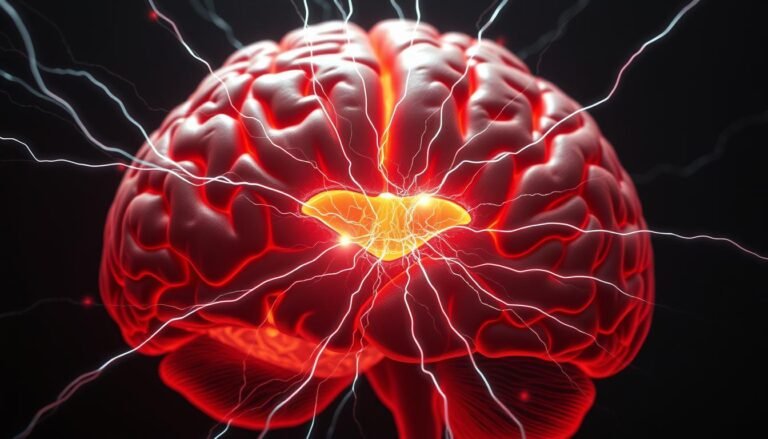
Recent research in neuroscience shows that engaging in arts activates areas of the brain associated with emotional processing. This reinforces the connection between creativity and mental health, highlighting potential pathways for therapy.
| Brain Function | Effect of Art Therapy |
|---|---|
| Emotional Regulation | Activates areas responsible for processing and controlling emotions. |
| Memory Improvement | Engaging in art enhances focus and recall abilities. |
| Stress Management | Reduces cortisol levels, promoting a calming response. |
Common Concerns About Art Therapy
1. Do I need to be an artist to participate?
No, you do not need artistic skills. Art therapy focuses on the process of creation, not the end product. It is about expression, not perfection.
2. Is art therapy suitable for all ages?
Yes, art therapy can be adapted for all ages. Tailored approaches can be developed for children, teens, adults, and seniors, ensuring all can benefit.
3. How long does art therapy take to show benefits?
The timeline varies per individual. While some may feel immediate relief, others might need several sessions to see substantial changes.
4. Can art therapy be used alongside conventional therapies?
Absolutely. Art therapy can complement other forms of therapy, providing an additional layer of support in the healing process.
5. What materials are used in art therapy sessions?
Materials can range from basic drawing supplies to advanced mixed media. The focus is on enabling creativity and self-expression, using whatever materials resonate with the participant.
Conclusion: Transform Your Emotions with Art Therapy
Art Therapy Explained: Transforming Emotions Through Creativity invites anyone willing to explore their inner landscape through creative means. It offers a unique framework to process emotions, gain self-awareness, and foster community.
Whether you’re struggling with anxiety, seeking to process trauma, or looking for a new avenue for self-exploration, art therapy might just be the essential tool to aid in your journey. Embrace the opportunity to transform emotions through creativity, one brushstroke at a time.
FAQs
What qualifications do art therapists have?
- Art therapists typically hold a master’s degree in art therapy or a related field, along with certification.
How do I find a qualified art therapist?
- Use resources such as the American Art Therapy Association or local mental health centers for referrals.
Can I practice art therapy at home?
- Yes, many techniques can be practiced individually, but working with a certified therapist often yields deeper insights.
What should I expect in an art therapy session?
- Expect a welcoming environment where you can freely express yourself and explore your emotions through creative activities.
- Is art therapy effective for every mental health condition?
- While art therapy can benefit many conditions, its effectiveness varies from person to person. Consult with a professional for personalized advice.
By understanding the transformative power of art therapy, we can cultivate a more profound sense of well-being and emotional resilience. Engage with your creativity and discover the healing it can offer—one masterpiece at a time.
About the Author