Shadows of the Past: Exploring How Trauma Rewires the Brain — The Essential Guide to Healing
Introduction
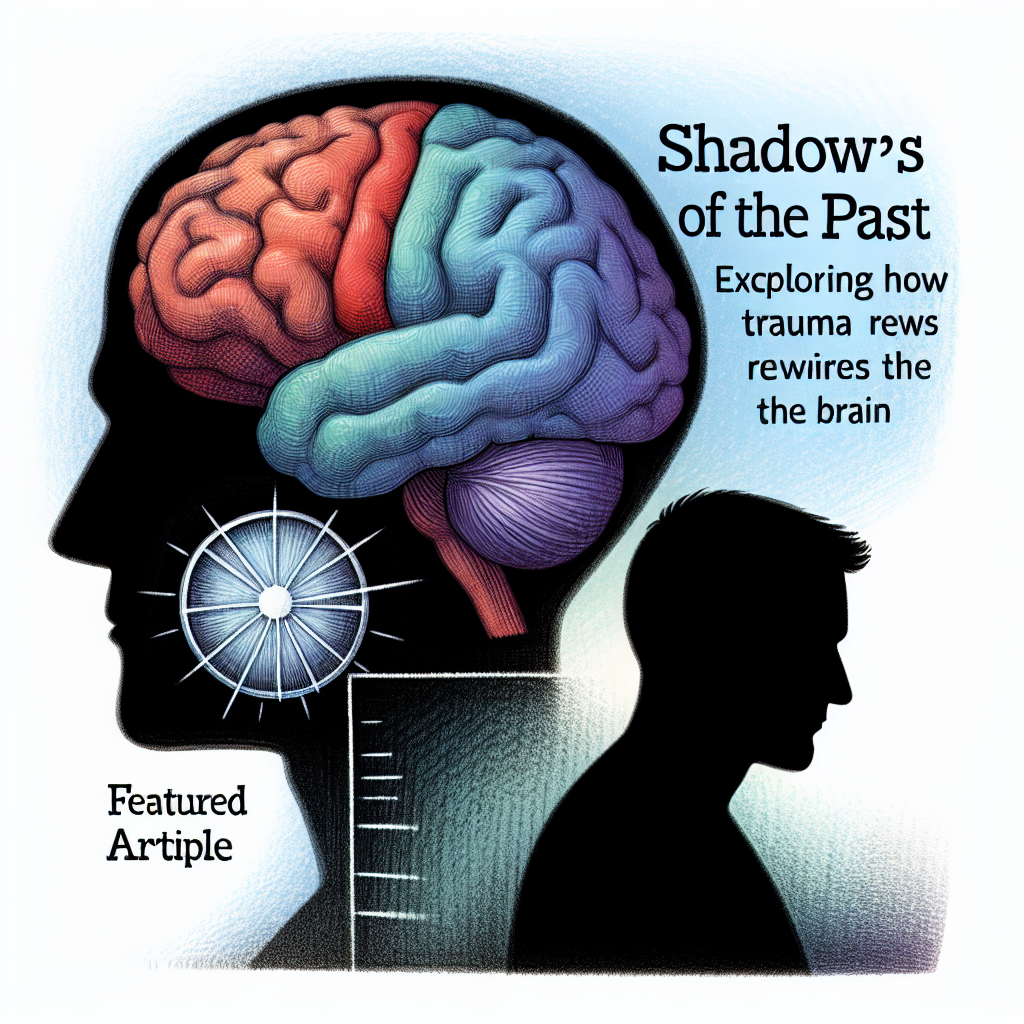
When we think of trauma, we often view it as a shadow that lingers in the background, quietly influencing our thoughts, behaviors, and emotional responses. This is particularly true when we explore Shadows of the Past: Exploring How Trauma Rewires the Brain. Trauma is not just a mental experience; it profoundly alters the architecture of the brain. Understanding this connection can bring both clarity and healing. In this article, we will delve deep into the ways traumatic experiences reshape our brains, how these changes manifest in our lives, and the path toward healing and resilience.
The Neuroscience of Trauma
Understanding the Brain’s Structure
The human brain is a complex system comprised of various regions that communicate continuously. One of the key players in how we process trauma is the amygdala, the brain’s emotional center. When trauma occurs, this part goes into overdrive, heightening our fight-or-flight response.
In the context of Shadows of the Past: Exploring How Trauma Rewires the Brain, it’s crucial to understand how this overactivity can lead to changes in neuroplasticity — our brain’s ability to reorganize itself by forming new neural connections.
| Brain Region | Function | Impact of Trauma |
|---|---|---|
| Amygdala | Processes emotions | Heightened fear response |
| Hippocampus | Memory formation | Impairment in contextual memory |
| Prefrontal Cortex | Decision making and emotional regulation | Diminished impulse control |
Neuroplasticity: The Double-Edged Sword
Neuroplasticity allows our brain to adapt to new experiences, learn skills, and even recover from injury. However, when trauma occurs, neuroplasticity can work against us. Repeated exposure to traumatic events can lead to the formation of maladaptive neural pathways resulting in anxiety, depression, and PTSD.
Case Studies in Trauma’s Impact
Case Study 1: The Effects of Childhood Trauma
Consider the case of Jamie, a 10-year-old who experienced repeated emotional neglect. Research shows that childhood trauma can lead to long-term alterations in brain structure. Jamie’s hippocampus is likely smaller than that of her peers, affecting her ability to form memories and learn effectively. This is an example of Shadows of the Past: Exploring How Trauma Rewires the Brain in real life. As these neural pathways become entrenched, Jamie may struggle with focus and emotional regulation.
Analysis
This case illustrates how early trauma shapes brain development and highlights the importance of early intervention. Understanding the biological underpinnings of her struggles can inform effective therapeutic practices that empower children like Jamie.
Case Study 2: Trauma in Adulthood
On the other end of the spectrum, we have Robert, a military veteran who served in combat. He returned home with Post-Traumatic Stress Disorder (PTSD) that affected his relationships and day-to-day functioning. Brain scans revealed hyperactivity in his amygdala and reduced activity in his prefrontal cortex, illustrating how trauma can overwhelm emotional regulation.
Analysis
In Robert’s case, the symptoms of PTSD underline the changes in brain functioning. Recognizing these changes allows clinicians to tailor treatment strategies, such as EMDR (Eye Movement Desensitization and Reprocessing) and cognitive-behavioral therapy, that directly address these neural patterns.
Healing Trauma: Steps Toward Recovery
Mind-Body Connection
One effective approach to healing trauma is recognizing the mind-body connection. Techniques such as mindfulness and yoga help reintegrate body awareness and reduce stress responses, showing promise in rewiring the brain and diminishing the impact of past trauma.
Therapeutic Approaches
Cognitive Behavioral Therapy (CBT)
CBT targets negative thought patterns that arise from trauma. This therapy has shown substantial efficacy in help people reframe their experiences and mitigate the associated emotional upheaval.
| Therapy Type | Effectiveness |
|---|---|
| Cognitive Behavioral Therapy | High |
| Eye Movement Desensitization and Reprocessing | Very High |
| Mindfulness-Based Stress Reduction | High |
Group Therapy
The shared experience in group therapy can be incredibly validating and therapeutic. Participants often find reassurance in knowing they are not alone in their struggles.
The Role of Community
Support from friends, family, and peer groups plays a vital role in recovery. When individuals share their experiences and offer support, it can tremendously aid in rewiring the brain to foster resilience.
The Ongoing Journey: Living Beyond Trauma
Recognizing Triggers
One of the keys to managing trauma is understanding personal triggers. Recognizing situations that evoke an emotional response enables individuals to develop coping strategies that can mitigate the impact of those triggers.
Building Resilience
Resilience is not an innate quality but a skill that can be developed over time. Techniques such as journaling, practicing gratitude, and setting realistic goals can empower individuals to take control of their narratives, ultimately rewiring their brains for a more positive outlook on life.
Celebrating Small Wins
Shadows of the Past: Exploring How Trauma Rewires the Brain shows that every small victory serves as a building block for a brighter future. Whether it’s learning a new skill, forming meaningful relationships, or simply getting through a difficult day, these achievements can help reshape neural pathways associated with trauma.
Conclusion
The exploration of Shadows of the Past: Exploring How Trauma Rewires the Brain reveals a complex interplay between our experiences and brain function. By understanding how trauma rewires our brains, we can pave the way toward understanding and growth. Healing is not linear; it requires patience, support, and determination. As we move forward, let us encourage ourselves and others to take proactive steps toward reclaiming our narratives and building futures enriched with hope and resilience.
FAQs
1. What is the impact of childhood trauma on adult life?
Childhood trauma can lead to significant alterations in brain structure and function, resulting in challenges with emotional regulation, relationship skills, and mental health.
2. Can therapy reverse brain changes due to trauma?
While therapy may not fully reverse changes, approaches like CBT and EMDR can effectively change maladaptive neural pathways, leading to improved emotional health.
3. Is it possible to recover from PTSD?
Yes, individuals can recover from PTSD. Therapeutic interventions, support systems, and self-care practices play crucial roles in the recovery process.
4. How can mindfulness help with trauma recovery?
Mindfulness helps individuals reconnect with their body, reduce stress responses, and foster a sense of calm, ultimately influencing brain functions positively.
5. What are some effective coping strategies for trauma survivors?
Effective strategies include journaling, engaging in physical activity, practicing mindfulness, and seeking social support to foster connection and validation.
By understanding Shadows of the Past: Exploring How Trauma Rewires the Brain, we gain valuable insight into not only the brain’s resilience but also the profound depth of human experience. Healing is a journey worth embarking on; let’s take those steps together.
About the Author