Introduction
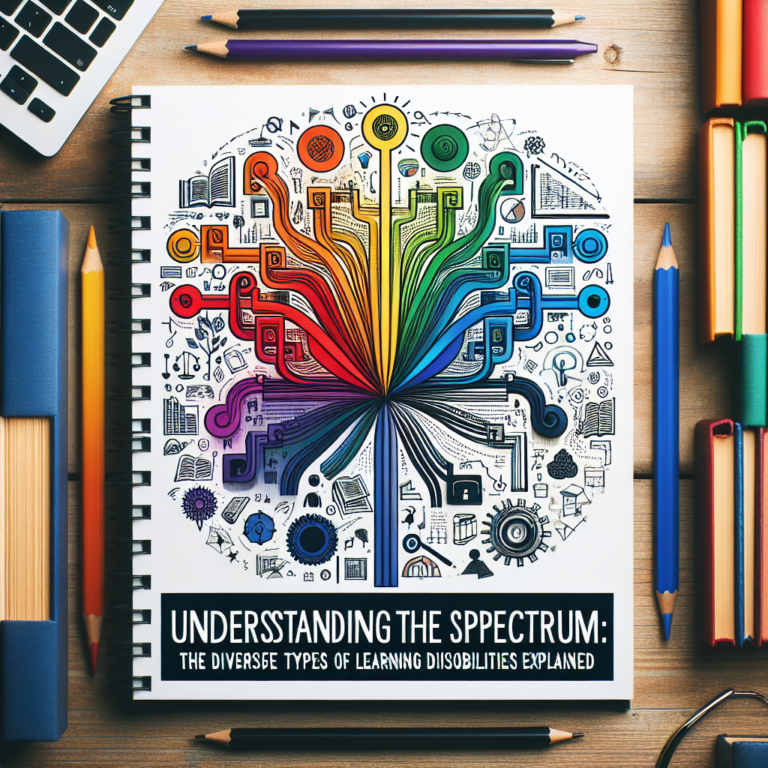
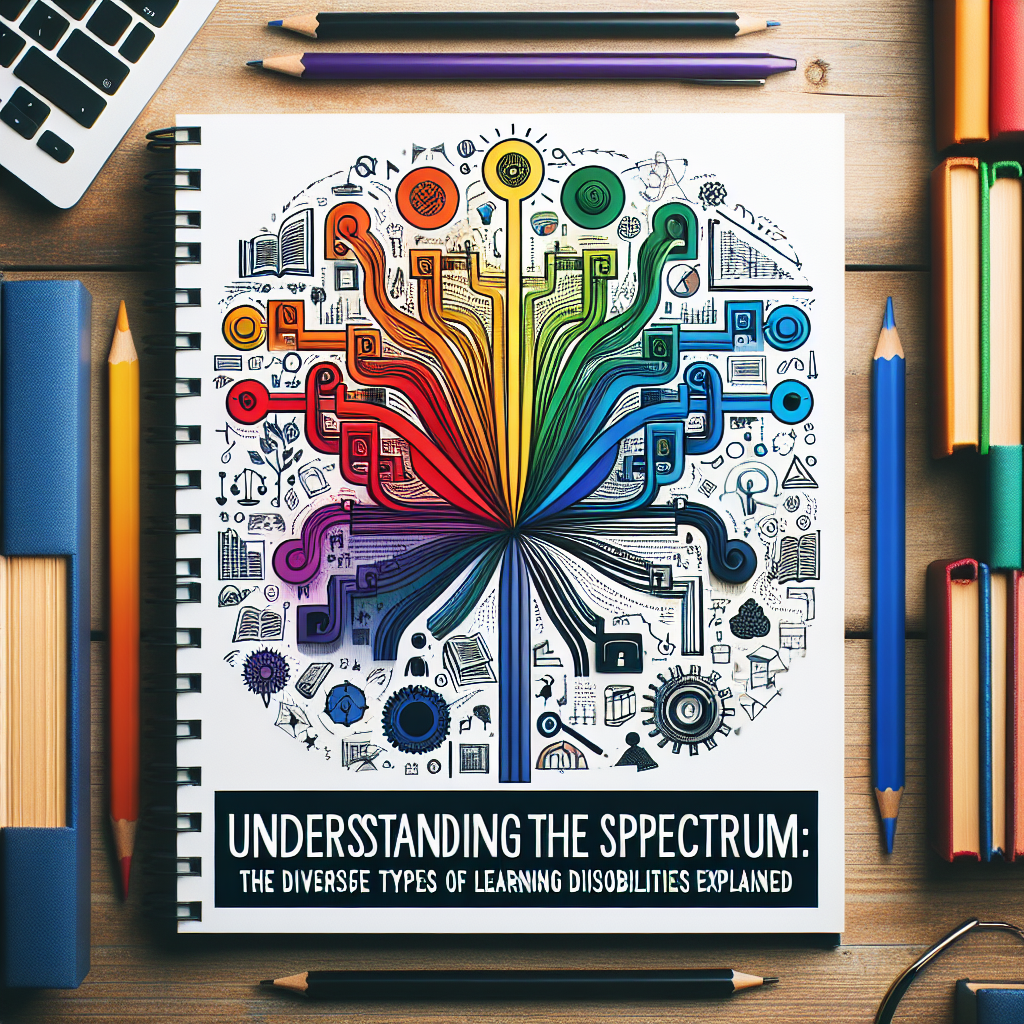
Learning disabilities affect millions of individuals worldwide, yet they remain one of the most misunderstood and stigmatized issues in education and society. These disabilities can have profound impacts on a person’s ability to read, write, calculate, or even communicate effectively. Recognizing the need to foster understanding and acceptance, this article delivers a comprehensive exploration titled Understanding the Spectrum: The Diverse Types of Learning Disabilities Explained. By diving into the nuances of various learning disabilities, their effects on individuals, and strategies for support, we aim to empower educators, parents, and learners, creating a more inclusive environment for everyone.
The Spectrum of Learning Disabilities: An Overview
Learning disabilities are classified into several types, each exhibiting unique characteristics and challenges. Understanding that these disabilities exist on a spectrum is crucial for fostering empathy and support.
1. Dyslexia: The Reading Disorder
Dyslexia is one of the most commonly recognized learning disabilities, impacting reading fluency and comprehension. Individuals with dyslexia often struggle with phonemic awareness, decoding, and spelling.
Case Study: Sarah’s Journey
Sarah, a 9-year-old in the third grade, faced numerous struggles when it came to reading. While her peers effortlessly read through storybooks, Sarah found herself lost in the words. After being diagnosed with dyslexia, her school implemented a specialized reading program that included phonics-based instructional strategies. Over the course of a year, Sarah became a confident reader, attesting to the importance of targeted intervention.
| Challenge | Strategies for Support |
|---|---|
| Difficulty decoding words | Phonics-based instruction and multisensory learning techniques |
| Low self-esteem due to reading struggles | Positive reinforcement and access to audiobooks |
2. Dysgraphia: The Writing Disorder
Dysgraphia manifests as difficulties in handwriting, spelling, and organizing thoughts on paper. This learning disability can manifest in several ways, including poor motor skills or issues with spatial awareness.
Case Study: James’s Transformation
James, an 11-year-old, often felt frustrated when asked to write essays. His handwriting was nearly illegible, causing him to shy away from writing tasks. Once his teacher introduced the use of voice-to-text software, James found his ability to express himself improved dramatically. This case emphasizes the significance of using technology as an accommodation.
| Challenge | Strategies for Support |
|---|---|
| Poor handwriting | Incorporating technology like tablets and speech-to-text programs |
| Organizing thoughts | Graphic organizers and structured outlines |
3. Dyscalculia: The Math Disorder
Dyscalculia is characterized by challenges in understanding numbers, learning math facts, and performing calculations. Individuals with this learning disability might struggle with everyday math tasks, such as telling time or balancing a budget.
Case Study: Laura’s Math Journey
Laura, a high school student, routinely found herself overwhelmed during math classes. Her teacher incorporated visual aids and manipulatives to help Laura grasp concepts. By highlighting real-world applications of math, Laura became more engaged and started excelling in the subject, showcasing how practical relevance can make a significant difference.
| Challenge | Strategies for Support |
|---|---|
| Difficulty with number sense | Using manipulatives and visual aids |
| Anxiety towards math tasks | Positive reinforcement and real-world applications |
4. Auditory Processing Disorder (APD)
APD affects how the brain processes auditory information. Unlike hearing impairment, individuals with APD have normal hearing but struggle to understand what they hear, which can affect their ability to follow directions or engage in conversations.
Case Study: Ben’s Communication Skills
Ben, a 7-year-old, often missed important instructions in class, leading to feelings of frustration. After a comprehensive evaluation, it was determined that Ben had APD. His teachers began providing verbal instructions along with visual cues, enabling him to perform tasks more successfully. This illustrates how tailored strategies can enhance learning experiences for those with APD.
| Challenge | Strategies for Support |
|---|---|
| Misunderstanding instructions | Using visual aids and repeat instructions clearly |
| Difficulty following conversations | Contextual prompts and simplifying language |
5. Nonverbal Learning Disabilities (NVLD)
Individuals with NVLD often excel in verbal skills but have trouble with nonverbal cues such as body language and spatial reasoning. This can result in difficulties in social interactions and academic settings.
Case Study: Emily’s Social Skills Development
Emily, a bright high school student, struggled to form friendships due to her challenges in picking up social cues. Her school implemented a social skills group where peers practiced interactions in supportive environments. Over time, Emily’s confidence soared, and her relationships improved significantly, illustrating how structured social skills training can benefit those with NVLD.
| Challenge | Strategies for Support |
|---|---|
| Difficulty in social interactions | Social skills training and role-playing exercises |
| Poor understanding of spatial relations | Visual-spatial skills enhancement activities |
The Importance of Early Intervention
Early intervention has been shown to be effective in improving outcomes for individuals with learning disabilities. By addressing challenges early, educators and parents can better equip children with the skills they need to succeed.
The Role of Teachers
Teachers play a crucial role in identifying learning disabilities and advocating for interventions. Professional development in recognizing signs of learning disabilities ensures educators can adeptly support students.
The Role of Parents
Parents can foster a supportive home environment where learning differences are acknowledged and embraced. Open dialogue about challenges can empower children to advocate for themselves.
Strategies for Success: Fostering an Inclusive Learning Environment
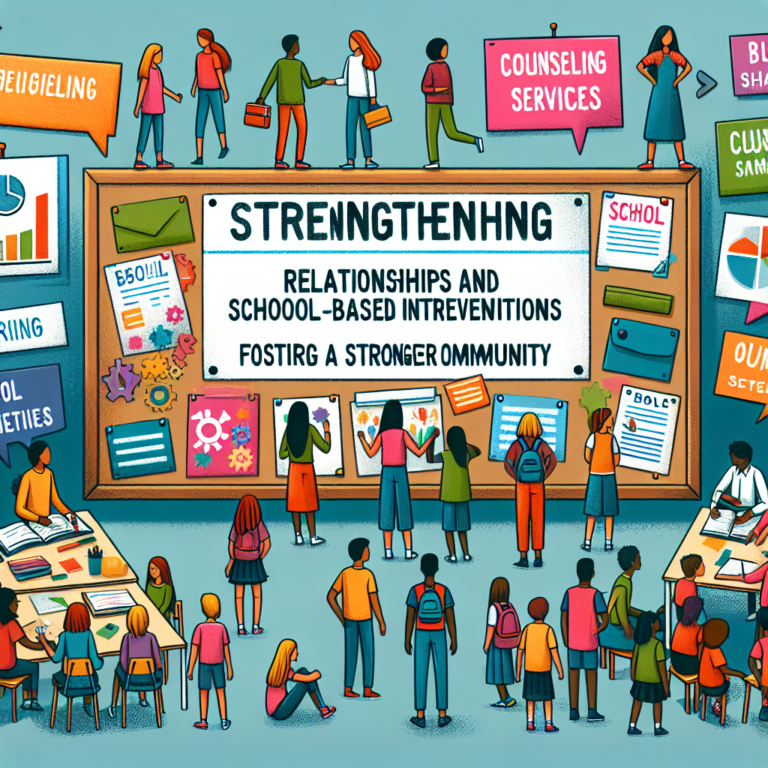
Creating an inclusive learning environment benefits not only those with learning disabilities but also promotes empathy and understanding among all students. Here are some effective strategies:
Differentiated Instruction: Tailoring lessons to accommodate various learning styles can help all students thrive.
Collaborative Learning: Encouraging group work allows students to learn from one another, fostering both social skills and academic understanding.
Flexible Assessment Methods: Offering multiple means to demonstrate knowledge can help alleviate the pressure on students with learning disabilities.
- Training and Awareness: Providing training for educators and staff on learning disabilities ensures a united approach to support.
Conclusion: Towards a More Inclusive Future
Understanding the spectrum of learning disabilities is essential for fostering an environment where every learner can thrive. As we explore the diverse types of learning disabilities explained above, it becomes clear that awareness, empathy, and appropriate support can create pathways for success. Remember, those who learn differently possess unique strengths and talents that can contribute significantly to our communities.
Key Takeaways
- Learning disabilities exist on a spectrum and include various types such as dyslexia, dysgraphia, dyscalculia, APD, and NVLD.
- Early intervention and tailored strategies can dramatically improve outcomes.
- Raising awareness among educators, parents, and peers leads to a more inclusive and supportive environment for all learners.
FAQs: Addressing Common Concerns About Learning Disabilities
1. What is the difference between a learning disability and a learning difficulty?
A learning disability is a neurological condition that affects how individuals process information, whereas a learning difficulty refers to any challenges in learning, which may or may not be tied to a specific disability.
2. Can individuals with learning disabilities succeed in academics?
Absolutely! With appropriate interventions and supports, many individuals with learning disabilities excel academically and go on to achieve their goals.
3. What are some common signs of learning disabilities in children?
Common signs may include difficulty reading or writing, trouble understanding math concepts, challenges with memory tasks, and struggles with organization.
4. How can teachers support students with learning disabilities?
Teachers can provide differentiated instruction, use varied assessment methods, and create an encouraging classroom environment that recognizes individual strengths.
5. Is there any cure for learning disabilities?
Currently, there is no "cure," but effective interventions and strategies can help individuals manage their learning disabilities and build skills for success.
In conclusion, embracing the diversity of learning abilities is not just beneficial—it’s essential. Let’s commit to fostering understanding and support for all as we navigate the spectrum of learning disabilities together.
About the Author


Dr. Emily Bennett, Clinical Psychology and Mental Health
Dr. Bennett is a licensed clinical psychologist with extensive experience in treating individuals dealing with anxiety, depression, and other mood disorders. She provides insightful content on mental health management, therapy techniques, and coping strategies.