Introduction
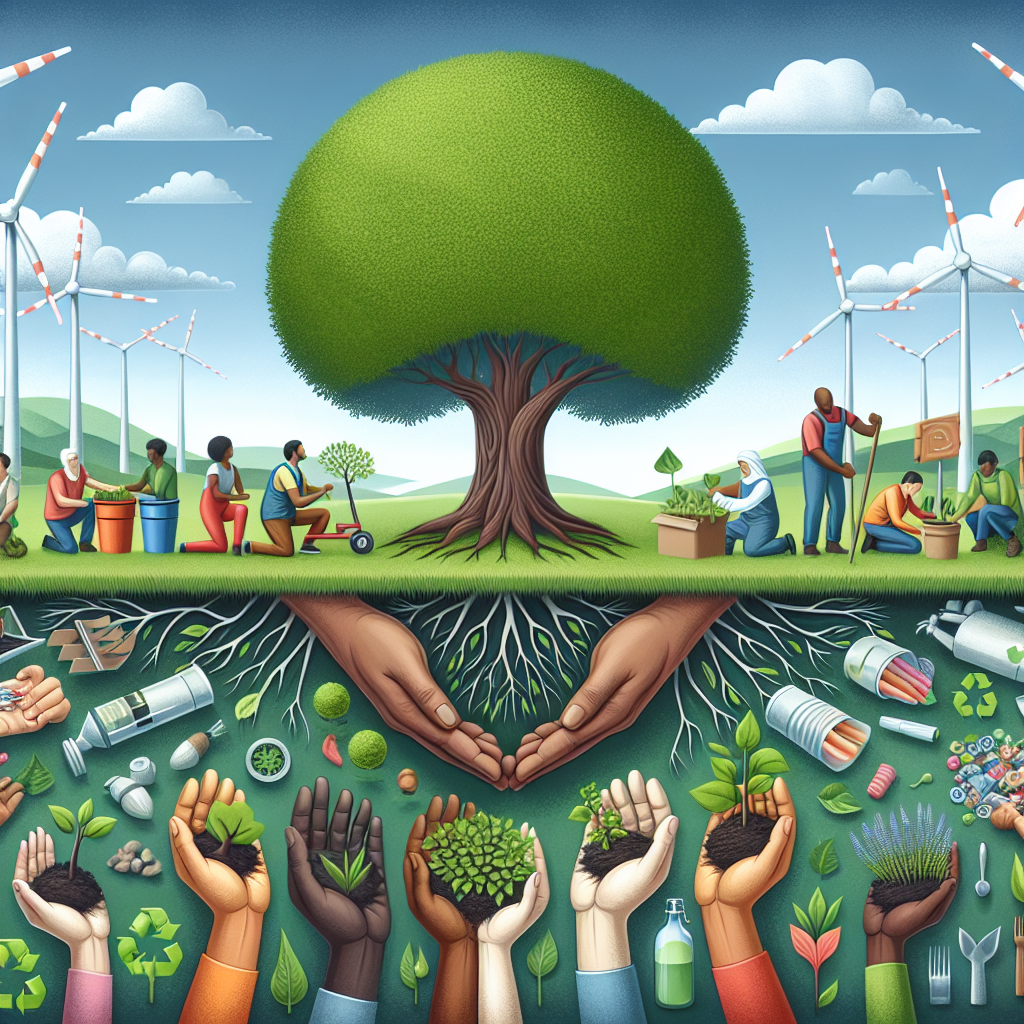
In today’s rapidly changing world, the intersection of environmental sustainability and social development has never been more critical. As we grapple with climate change, dwindling resources, and rising inequality, the call for sustainable solutions becomes a clarion call for collaboration across various sectors. Sustainable Solutions: Eco-Friendly Practices in Social Development Initiatives not only promise to uplift communities but also safeguard the planet for future generations. This article delves into innovative practices and real-world applications that exemplify how sustainable solutions can drive social change.
The Need for Sustainable Solutions in Social Development
Addressing Systemic Issues
Traditional development practices often neglect environmental considerations, leading to social injustices and ecological degradation. The integration of eco-friendly practices into social development initiatives stands as a beacon of hope, proliferating benefits across communities while preserving natural resources.
Bridging the Gap
By focusing on sustainability, social development initiatives can address the dual crises of environmental and social inequities. For example, low-income neighborhoods often bear the brunt of pollution and neglect. Sustainable solutions aim to bridge this gap, enhancing both community resilience and ecological health.
Key Eco-Friendly Practices in Social Development
1. Renewable Energy Implementation
Case Study: Solar Energy in Rural India
In rural India, a staggering 300 million people lack access to electricity. Initiatives such as the Solar Electric Light Fund (SELF) are spearheading efforts to install solar panels in remote villages. These projects provide clean energy, reducing reliance on fossil fuels and enhancing educational and economic opportunities.
Analysis: Solar energy not only improves living conditions but also empowers communities through job creation in installation and maintenance, demonstrating a sustainable solution that fuels social development.
| Key Benefits | Impact |
|---|---|
| Reduces carbon footprint | Lower greenhouse gas emissions |
| Job creation | Economic empowerment in local communities |
| Improved quality of life | Access to education and healthcare resources |
2. Urban Green Spaces
Case Study: The High Line, New York City
Transforming an old railway into an elevated park, the High Line is an exemplary model of urban redevelopment. This initiative revitalized a neglected space into a vibrant green corridor that fosters community interaction and promotes biodiversity in a bustling city.
Analysis: Urban green spaces provide numerous benefits, including improved air quality, mental health, and social cohesion, proving eco-friendly practices can enhance urban living.
3. Sustainable Agriculture
Case Study: The Food Project, Massachusetts
The Food Project employs sustainable farming methods to engage youth from diverse backgrounds. This initiative offers training in organic farming while combating food insecurity and promoting environmental stewardship.
Analysis: By teaching sustainable agricultural practices, the project empowers youth with valuable skills and reinforces the importance of eco-friendly practices in social development.
Sustainable Solutions and Community Engagement
1. Local Participation
Community involvement is crucial in implementing sustainable solutions. Initiatives that prioritize local input are more likely to succeed because they resonate with the community’s values and needs.
2. Education and Awareness
Educational initiatives promoting sustainability foster a culture of environmental consciousness. Workshops, local campaigns, and partnerships with schools serve to instill eco-friendly values in the younger generation.
The Role of Policy in Sustainable Solutions
Climate Policy and Social Equity
Government policies play a pivotal role in shaping sustainable practices. Policies that support renewable energy, protect green spaces, and promote sustainable agriculture can catalyze community development while ensuring environmental sustainability.
Incentives for Sustainable Practices
Financial incentives for adopting eco-friendly practices—such as tax breaks for green infrastructure—motivate organizations and individuals to embrace sustainability.
Challenges to Implementation
1. Funding and Resources
Many eco-friendly practices in social development require substantial initial investment. Securing funding from both private and public sectors is often a significant challenge.
2. Resistance to Change
Changing established practices can meet resistance from stakeholders accustomed to traditional methods. Educating these groups about the long-term benefits of sustainable solutions is essential.
The Future of Sustainable Solutions
Innovation in Eco-Friendly Practices
Emerging technologies such as vertical farming, bioplastics, and zero-waste initiatives are paving the way for sustainable solutions. Collaborations between tech companies and NGOs will further enhance their effectiveness in social development.
Global Collaborations
International partnerships can amplify the impact of local initiatives, sharing resources and knowledge across borders. Comprehensive frameworks, like the United Nations Sustainable Development Goals, serve as guiding principles for these collaborative efforts.
Conclusion
The integration of Sustainable Solutions: Eco-Friendly Practices in Social Development Initiatives is not merely a trend; it is a necessity for a harmonious future. By embracing these eco-friendly practices, we can address pressing social issues while protecting our planet. Communities empowered by sustainable practices are more resilient, equitable, and capable of facing environmental challenges head-on. It’s time to act, innovate, and inspire—together, we can build a sustainable future for all.
FAQs
1. What are sustainable solutions in social development?
Sustainable solutions in social development refer to practices that simultaneously tackle environmental issues and social inequalities, ensuring that development enhances quality of life without compromising future generations.
2. How can local communities engage in sustainable practices?
Communities can engage through education, local workshops, volunteer opportunities in sustainability projects, and by advocating for policies that support eco-friendly practices.
3. What role do governments play in promoting sustainable solutions?
Governments can enact policies that incentivize sustainable practices, invest in renewable energy projects, and support local initiatives that prioritize environmental and social welfare.
4. Can businesses contribute to eco-friendly social development?
Absolutely! Businesses can adopt sustainable practices, invest in their communities, and collaborate with local organizations to promote social development while minimizing ecological footprints.
5. What are some everyday actions individuals can take to support sustainability?
Individuals can reduce waste, support local and organic food systems, use energy-efficient appliances, and participate in community clean-up events to contribute to sustainable solutions.
This comprehensive look into Sustainable Solutions: Eco-Friendly Practices in Social Development Initiatives illustrates the potential for meaningful change through collective action. By embracing these practices, we can create a brighter, more sustainable future for all.
About the Author