What if the secret to acing your certification exam isn’t just about studying harder? Maybe it’s about building your body’s natural armor first? 🌟
Your immune system is like your body’s frontline guardian. It fights off infections and harmful invaders all the time. It has two main parts: the innate immune system that acts fast and the adaptive immune system that learns and remembers threats.
But here’s the game-changer! Your foundational health pillars power this defense network. We’re talking about four key elements that boost your natural health defenses every day.
Sleep quality, proper nutrition, regular movement, and daily rhythm work together like a championship team. They’re not just wellness buzzwords—they’re your practical toolkit for peak performance! 💪
These strategies cost nothing but deliver everything. Better focus. Stronger immunity. Sustained energy throughout your study sessions. You can start today, whether for exams or classroom management. No fancy equipment required, just smart choices that build resilience from the ground up! ✨
Key Takeaways
- Your immune system has two defense layers working together to protect your health and well-being
- Four foundational pillars create your body’s natural protection: quality rest, proper eating habits, physical activity, and consistent daily patterns
- These wellness strategies require zero investment but deliver maximum results for exam preparation and teaching performance
- You can start strengthening your natural defenses today with simple, science-backed lifestyle adjustments
- Building these habits now creates lasting resilience against stress and fatigue in your education career
1. Understanding Your Body’s Natural Defense System
Most people don’t know this: your body has everything it needs right inside! 🎯 You have an immune system that’s smarter than any tech. Learning about it can change how you stay healthy!
Your body’s defense works on two levels that team up well. It’s like having a security team that never stops working!
First, there’s your innate immunity. It’s your quick response team! It’s been protecting humans for millions of years. Monocytes, macrophages, and dendritic cells act fast when they find threats. They use special receptors to spot enemies quickly and fight right away!
Then, there’s your adaptive immunity. It’s like your special forces! T cells and B cells create specific antibodies. The cool thing is, it gets better with each battle. This is why you don’t get the same illness twice! 💪
| Immune System Branch | Response Time | Key Components | Primary Function |
|---|---|---|---|
| Innate Immunity | Minutes to Hours | Monocytes, Macrophages, Dendritic Cells | First-line rapid defense using pattern recognition |
| Adaptive Immunity | Days to Weeks | T Cells, B Cells, Antibodies | Targeted response with immunological memory |
| Combined System | Continuous | All immune cells working together | Complete protection and cellular repair |
But, there are things that can really hurt your immune system! ⚡
- Chronic stress from demanding schedules and exam prep
- Poor sleep quality and not enough rest
- Sitting too much
- Bad eating habits
- Not drinking enough water
- Training too hard without resting
- Being exposed to toxins
Here’s the game-changing news: you have a lot of control! By making the right lifestyle changes, you can boost your immune system a lot. Sleep, nutrition, movement, and rhythm all work together to make your body stronger! 🚀
Ready to make your body stronger? Let’s explore why these changes are so important!
2. Why First Line Defenses: Sleep, Nutrition, Movement, Rhythm Lifestyle Interventions Matter
Did you know small daily choices can lead to big health benefits? That’s what preventative wellness strategies offer! These aren’t just minor tweaks. They’re key to thriving in your teaching career or avoiding burnout! 💪
Research shows sleep affects your health a lot. It impacts your risk of getting sick, heart problems, and even depression. Shockingly, 25% of Americans struggle with insomnia, and nearly 10% have chronic insomnia.
But here’s the good news! You can change your sleep habits. Behavioral treatments work well and last long. You don’t have to live with bad sleep forever! 🌟
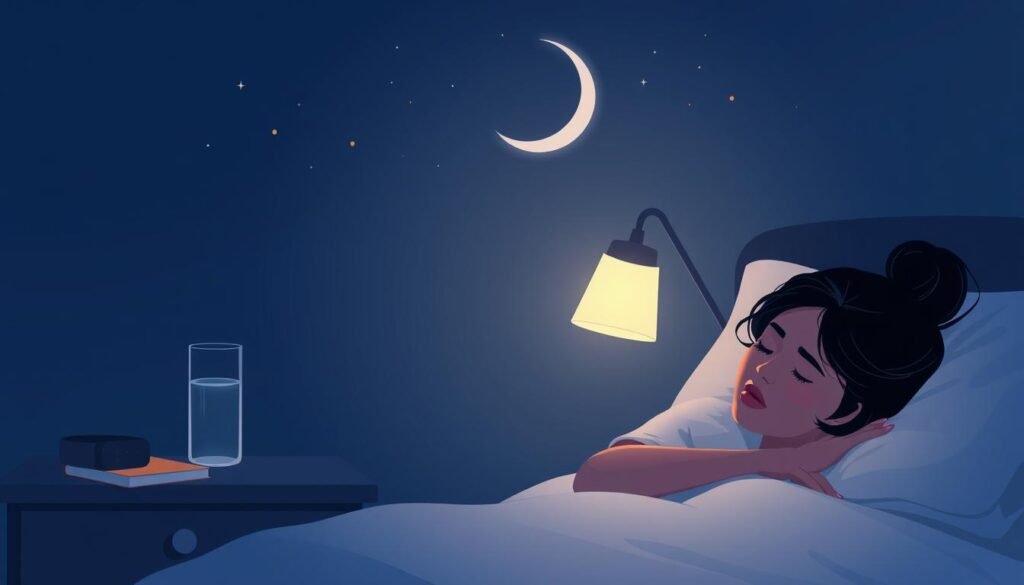
Your immune system needs good sleep to work right. Think about it—good sleep hygiene helps fight off classroom colds! Nailing your sleep routine boosts your defenses!
Your circadian rhythm controls your body’s functions. It’s like a conductor for your hormones and energy. When you match your lifestyle to this rhythm, you’ll feel better and perform better! 📚✨
But beware of things that harm your immunity. Stress, bad sleep, sitting too much, poor nutrition, dehydration, too much exercise, and toxins all weaken your body. The good news? You can control all these factors!
Preventative wellness strategies create a positive cycle. Better sleep hygiene leads to better food choices. Good nutrition gives you energy for exercise. Regular exercise helps your circadian rhythm. And a balanced rhythm improves your sleep! 🔄
Now you see the pattern? You’re about to use this cycle to your advantage! This is your base for success in education and more! 🎓
3. The Sleep Pillar: Building Your Foundation for Rest
Let’s explore the sleep pillar, your key to a healthy life! 😴✨ Sleep is a powerful natural health strategy for your body. Without good sleep, your immune system weakens, your brain can’t remember things, and you feel tired all the time!
Your body goes through 4-6 sleep stages each night. Each cycle lasts about 80-110 minutes. Early sleep is for repair, and later sleep is for emotional and creative processing. Knowing this helps you make the most of your sleep! 💪
3.1. Step 1: Establish Your Sleep Hygiene Protocol
Creating a good sleep routine is key to better sleep. It’s the first step to a healthier life! Your body likes routine, and consistent habits help your internal clock. Let’s learn how to do it right! 🎯
3.1.1. Set Consistent Sleep and Wake Times
Your first task is to set the same sleep and wake times every day. Yes, even on weekends! This helps your body’s rhythms more than anything else. Choose a bedtime for 7-9 hours before your alarm.
Stick to this schedule within 30 minutes, every day. Your body will start making melatonin at the right time. This makes your sleep better in just two weeks. It’s like training your body’s clock! ⏰
3.1.2. Remove Sleep Disruptors from Your Bedroom
Now, make your bedroom a sleep sanctuary! Get rid of all electronic devices that light up or beep. That means charging your phone elsewhere.
Remove TVs, work stuff, and any clutter that stresses you out. Your bedroom should only mean one thing: time to sleep. This separation helps your brain get ready for sleep! 📵✨
3.2. Step 2: Optimize Your Sleep Environment
Now, let’s make your sleep space better! Your environment greatly affects your sleep quality. Small changes in temperature, light, and sound can make a big difference. These changes work with your body’s natural sleep patterns! 🌙
3.2.1. Control Light, Temperature, and Sound
Keep your bedroom cool, between 65-68°F. This helps your body temperature drop for deep sleep. Use blackout curtains to block out light, as even a little can mess with melatonin.
Use a white noise machine or fan to block out sounds. Keeping these three things consistent helps your immune system fight off infections better! 🌡️
3.2.2. Choose the Right Bedding and Mattress Setup
Your bedding is very important! Choose breathable, comfy sheets like cotton or bamboo. They keep you cool better than synthetic ones.
Your mattress should support your spine and not put pressure on it. Replace pillows every 1-2 years for neck support. Good bedding is an investment in your health! 🛏️
3.3. Step 3: Create a Wind-Down Routine
The last step is to create a wind-down routine. This tells your brain it’s time to sleep! Your 60-minute pre-sleep routine helps you relax and sleep fast. It’s your secret to falling asleep quickly! 🌟
3.3.1. Design Your 60-Minute Pre-Sleep Protocol
Start your wind-down 60 minutes before bed. Dim all lights to 50% or less. This helps your body make melatonin naturally.
Do 20 minutes of gentle stretching or yoga to relax. Then, spend 20 minutes on calming activities like journaling or reading. Finish with 10 minutes of deep breathing or meditation.
The last 10 minutes are for your bathroom routine and getting into bed. This routine trains your brain for sleep. In two weeks, you’ll sleep faster automatically. This shows the power of supporting your body’s natural rhythms! 💤✨
4. Advanced Sleep Optimization Strategies
Once you’ve mastered the basics, these holistic health approaches will take your sleep to the next level! 🎯 The secret to amazing recovery lies in two key areas: temperature control and timing with your body’s natural rhythms. These natural health strategies work with your body to make every sleep minute count! 💤
Think of these techniques as the secret weapons of elite athletes and high achievers. When you mix proper temperature with perfect timing, you’re not just sleeping—you’re optimizing every sleep cycle for the best results! 💪
4.1. Temperature Regulation Techniques
Your body temperature drops as you sleep, and you can hack this process to fall asleep faster and sleep deeper! Temperature control is a powerful natural health strategy for better sleep. The science shows cooling makes you sleepy, while warming can mess with your sleep. 🌡️
Knowing how temperature affects your sleep cycles helps you get the most out of slow-wave sleep and REM sleep. These holistic health approaches consider your whole body working together! 🌈
4.1.1. Using Cold Exposure for Better Sleep
Cold exposure before bed might seem odd, but it works wonders! Here’s how to use it:
- Warm shower method: Take a warm shower 60-90 minutes before bed. The cooling down afterward makes you sleepy! Your body temperature drops, signaling your brain it’s time to sleep. 🚿
- Cold water face splash: Splash cold water on your face 10 minutes before bed. It activates your body’s relaxation system.
- Cool room entry: Step into your cool bedroom after your warm shower for the best temperature contrast. 🌫️
- Cold feet technique: If starting sleep is hard, keep your feet cool while your core stays warm. This boosts blood flow and sleep speed! 💨
These temperature changes work with your body, not against it. You’re giving your body the exact signals it needs to start sleeping efficiently! 🌟
4.1.2. Optimal Bedroom Temperature Guidelines
Your bedroom temperature is more important than you think! The ideal range is 65-68°F (18-20°C) all night. This supports the best sleep architecture and helps you complete those essential 4-6 sleep cycles! ❄️
Here’s your temperature optimization checklist:
- Get a smart thermostat for consistent temperature (it’s worth it!)
- Use breathable, moisture-wicking bedding that doesn’t trap heat
- Think about a cooling mattress pad if you sleep hot
- Keep bedroom humidity between 30-50% for comfort
- Make the temperature a bit cooler if you’re sharing a bed (two bodies make more heat!)
Temperature control is key in holistic health approaches because it affects hormone production and recovery quality. Get this right, and you’ll see a big difference right away! ✨
4.2. Timing Your Sleep for Circadian Alignment
Now, let’s talk about circadian rhythms—your internal clock that tells you when to be alert or sleepy! Personalizing your sleep timing is critical. Working with your natural timing unlocks top-level recovery and brain performance! ⏰
Your circadian rhythms control more than sleep—they regulate hormone release, body temperature, digestion, and when your brain works best. Aligning your sleep with these cycles is a powerful natural health strategy! 🌟
4.2.1. Understanding Your Chronotype
Your chronotype is your personal sleep timing preference. Are you a morning lark or a night owl? 🦉 Knowing this helps you optimize your sleep for maximum recovery instead of fighting your natural rhythm! 🌈
| Chronotype | Natural Sleep Window | Peak Performance Time | Best Study Schedule |
|---|---|---|---|
| Morning Lark | 10 PM – 6 AM | 8 AM – 12 PM | Early morning for complex material |
| Intermediate | 11 PM – 7 AM | 10 AM – 2 PM | Mid-morning through early afternoon |
| Night Owl | 12 AM – 8 AM | 12 PM – 4 PM | Afternoon and early evening sessions |
The KEY is to work with your natural tendencies, not against them! If you’re studying for exams, schedule tough material during your peak hours based on your chronotype. This alignment with your circadian rhythms makes studying easier and more effective! 🎯
4.2.2. Adjusting Sleep Windows for Maximum Recovery
Once you know your chronotype, fine-tune your sleep window for the best recovery. Your body sleeps more efficiently when you sleep in your natural window. Each cycle lasts about 90 minutes, going through light, deep, and REM sleep phases! 💫
Here’s how to adjust your sleep timing for the best results:
- Honor your natural bedtime: If you’re a night owl, don’t force a 10 PM bedtime—you’ll just lie awake frustrated! Aim for 11 PM-midnight instead.
- Protect your sleep duration: Regardless of chronotype, you need 7-9 hours. Adjust your wake time as needed!
- Allow gradual shifts: If you need to adjust your schedule, move it by only 15-30 minutes every few days.
- Track your recovery: Notice when you wake up feeling most refreshed—that’s your body telling you the timing is right!
When you align your sleep timing with your circadian rhythms AND optimize temperature, you unlock next-level recovery! Your body spends the right amount of time in deep sleep for physical repair and enough REM sleep for mental consolidation. This is how you wake up feeling like a superhero ready to conquer your exam! 🚀
5. The Nutrition Pillar: Fueling Your Defenses
Food is more than just calories—it’s information for your body. Every bite sends signals to your cells, affecting energy and immune response. This approach to nutrition focuses on timing, gut health, and hydration! 💪🍎
The nutrition pillar works with sleep, movement, and rhythm to build a strong health foundation. Let’s explore how to make your eating habits a powerful defense system! ✨
5.1. Step 1: Master Meal Timing and Circadian Eating
When you eat is as important as what you eat! Your digestive system follows a natural schedule tied to daylight. Ignoring this can mess with hormone production and metabolism.
5.1.1. Establish Time-Restricted Eating Windows
Time-restricted eating means eating all meals in a 10-12 hour window. For example, eat breakfast at 8 AM and finish your last meal by 6 PM or 8 PM.
This strategy lets your digestive system rest. During fasting, your body repairs and cleans cells better! 🕐
Start by reducing your eating window by 30 minutes each week. Most people naturally eat in a 14-15 hour window. Tightening this up boosts health right away!
5.1.2. Align Meals with Your Body’s Natural Rhythms
Your body wants nutrient-dense meals during daylight when digestion and metabolism are high. Eating late messes with this rhythm and hurts sleep.
Make breakfast your biggest meal or most protein-rich. This keeps blood sugar stable and reduces evening cravings. Eat most calories when your body can use them! 🌅
5.2. Step 2: Support Your Gut-Brain Connection
Did you know your gut makes about 95% of your serotonin? This connection affects mood, focus, stress, and immune function. For teachers and professionals, improving this connection is key! 🧠💚
- Yogurt with live cultures (check the label!)
- Kefir (fermented milk drink)
- Sauerkraut and kimchi (fermented vegetables)
- Kombucha (fermented tea)
- Miso and tempeh (fermented soy products)
Prebiotic foods feed your good bacteria. Add these to support your gut–brain connection:
- Garlic and onions
- Asparagus and leeks
- Bananas (slightly green)
- Oats and barley
- Apples and flaxseeds
5.2.2. Reduce Inflammatory Foods
Inflammatory foods harm your gut lining and trigger immune responses. Limit these to protect your gut–brain axis:
- Processed sugars and artificial sweeteners
- Excessive refined carbohydrates
- Artificial additives and preservatives
- Trans fats and heavily processed oils
Focus on immune-supporting nutrients: Vitamin D from fatty fish and egg yolks, Zinc from pumpkin seeds and beef, Omega-3s from salmon and walnuts, and antioxidants from berries and dark leafy greens! 🥗
5.3. Step 3: Optimize Hydration Throughout the Day
Proper hydration keeps nutrients flowing and supports bodily functions. Even mild dehydration weakens immune response and cognitive performance! Water boosts energy and mental clarity! 💧
5.3.1. Calculate Your Daily Water Needs
Drink roughly half your body weight in ounces daily. If you weigh 150 pounds, aim for 75 ounces. Adjust for exercise or hot climates.
Don’t wait until you’re thirsty—by then, you’re already dehydrated! Make hydration a proactive habit.
5.3.2. Time Your Hydration for Best Results
Drink most water in morning and afternoon to boost benefits and protect sleep. Front-load your hydration! 🌊
Stop drinking fluids 2 hours before bedtime to avoid sleep disruptions. This simple change improves sleep quality!
Start with 16-20 ounces of water when waking to rehydrate. Add electrolyte-rich drinks like coconut water or herbal teas for variety. This holistic approach to hydration supports peak performance! ✨
6. Building a Sustainable Nutrition Protocol
The secret to long-term nutritional success is building preventative wellness habits that fit into your daily life! 🎯 Forget restrictive diets that make you tired and crave unhealthy snacks. You’re creating a nutrition plan you can keep up with for life, not just a few weeks!
This approach focuses on simple strategies that boost your immune system and work with your body’s natural rhythms. No need for complicated meal plans or expensive ingredients!
6.1. Creating Your Personalized Eating Window
Your body loves consistency, and meal timing is key to supporting your immune system. An eating window aligns your digestion with your body’s natural rhythm, improving how you process nutrients and energy! 🌟
6.1.1. Start with a 12-Hour Eating Window
Start with a 12-hour eating window—it’s easy for beginners! If you eat breakfast at 7 AM, close your kitchen at 7 PM. That’s it!
This meal timing gives your digestive system a 12-hour break each night. Your body repairs cells, processes nutrients, and boosts immune function without constant digestion work.
Track your experience for two full weeks. Notice your energy levels, sleep quality, focus, and digestive comfort. Keep these observations for valuable insights about YOUR body! 📝
After two weeks, review your notes and see how you feel. This is where functional health becomes truly personalized!
If 12 hours feels great, try tightening to 10-11 hours. Some people do better with a shorter window. Others prefer 12 hours. It’s all about finding what works for YOUR body and lifestyle. Listen to your body’s feedback! 💪
6.2. Foods That Support Natural Defenses
Now, let’s talk about what you eat during your window! The right foods can boost your immune system and support wellness.
6.2.1. Prioritize Whole, Unprocessed Foods
Here’s a simple test: Could your great-grandmother recognize this food? If yes, it’s probably a whole food! Shop the perimeter of the grocery store for fresh, nutrient-dense foods.
Fill your plate with colorful veggies—aim for a rainbow! 🌈 Include quality proteins like fish, poultry, eggs, and legumes. Add healthy fats from avocados, nuts, and olive oil. Choose fiber-rich carbs like quinoa, sweet potatoes, and oats.
Make it EASY: meal prep on Sundays, keep healthy snacks visible (almonds, cut veggies, hard-boiled eggs), and always have frozen veggies for quick meals!
6.2.2. Include Anti-Inflammatory and Immune-Supporting Nutrients
Certain nutrients are key for immune defense. Research shows Vitamin D, Zinc, and Vitamin C deficiencies weaken immune response.
Focus on these immune-supporting superstars:
- Vitamin D: Fatty fish (salmon, mackerel), egg yolks, fortified dairy
- Zinc: Oysters, beef, pumpkin seeds, chickpeas
- Omega-3 fatty acids: Wild-caught fish, walnuts, flaxseeds, chia seeds
- Antioxidants: Berries, dark leafy greens, green tea, dark chocolate
- Vitamin C: Citrus fruits, bell peppers, broccoli, strawberries
Remember, you’re not aiming for perfection—you’re building consistent preventative wellness habits that support your immune system! One great meal choice at a time, you’re building a foundation that supports everything else you’re working toward! 🥑
7. The Movement Pillar: Activating Your Body’s Systems
Physical activity changes your health from the inside out. It activates key body systems that protect and strengthen you. Regular movement boosts immune circulation and reduces inflammation. This keeps your body working well for years to come! 💪
You don’t need expensive gym memberships or fancy equipment to start. What’s important is being consistent and varied in your exercise. Let’s look at your three-step movement protocol that combines strength training, cardiovascular work, and daily movement habits! 🏃♀️
7.1. Build Your Foundation with Strength Training
Strength training is essential for building muscle. This supports your metabolism, protects your joints, and keeps you strong. Start where you are and progress gradually. Your body will thank you for taking a smart approach! The key is establishing a routine you can maintain two to three times weekly.
7.1.1. Start with Bodyweight Exercises
Begin your strength training journey with exercises that use your own body weight. These movements build functional strength without requiring any equipment! Push-ups (modify on your knees if needed!), squats, lunges, planks, and glute bridges are great starting points. 🌟
Aim for 2-3 sets of 8-12 repetitions for each exercise. Focus on proper form, not speed. As you get stronger, gradually increase your reps and hold positions longer.
7.1.2. Progress to Resistance Training
Once bodyweight exercises feel comfortable, level up by adding external resistance. Dumbbells, resistance bands, or kettlebells provide the challenge your muscles need to continue growing stronger. Start with lighter weights and perfect your technique before increasing load.
Compound movements like dumbbell rows, overhead presses, and goblet squats work multiple muscle groups simultaneously. This efficiency is perfect for busy future educators who need maximum results in minimal time!
Consistency creates results, so mark your calendar! Schedule your strength workouts on non-consecutive days to allow proper recovery time. Monday-Wednesday-Friday or Tuesday-Thursday-Saturday patterns work beautifully for most people.
Each session should last 30-45 minutes. Remember that rest days are just as important as training days—your muscles grow and strengthen during recovery periods, not during the workout itself!
7.2. Establish Your Aerobic Exercise Foundation
Cardiovascular exercise strengthens your heart, improves lung capacity, and keeps your immune cells circulating efficiently throughout your body. Aerobic exercise also reduces stress and boosts mental clarity—crucial benefits for exam preparation and classroom performance! 🎯
7.2.1. Find Your Target Heart Rate Zones
Calculate your maximum heart rate by subtracting your age from 220. Your moderate intensity zone sits at 50-70% of this maximum, while vigorous intensity reaches 70-85%. These zones ensure you’re working hard enough to gain benefits without overdoing it.
Use a fitness tracker or smart watch to monitor your heart rate during workouts. Staying within your target zones maximizes cardiovascular benefits while preventing overtraining that could suppress immune function.
7.2.2. Mix Low and Moderate Intensity Cardio
Variety keeps your cardiovascular system adapting and prevents workout boredom! Some days, enjoy low-intensity walks (perfect for reviewing flashcards or listening to study podcasts!). Other days, push harder with jogging, cycling, swimming, or dance fitness classes.
Aim for at least 150 minutes of moderate-intensity cardio weekly, or 75 minutes of vigorous activity. Break this into manageable chunks—even three 10-minute walks daily count toward your total!
7.3. Create Daily Movement Habits That Stick
Here’s the secret to preventive wellness through movement—the small, consistent habits matter MORE than occasional intense workouts! Building daily health routines around movement creates cumulative health benefits without requiring huge time blocks. These micro-habits add up to major results! ✨
7.3.1. Set Hourly Movement Reminders
Program your phone or computer to remind you to move every single hour. When the alarm sounds, stand up immediately! Do 10 squats, stretch your arms overhead, walk around your space, or do some desk push-ups against a sturdy surface.
These brief movement breaks combat the negative effects of prolonged sitting. They also boost circulation, refresh your mind, and improve focus for your next study session. Trust me—this simple habit changes everything! 💡
7.3.2. Add Walking Breaks Throughout Your Day
Look for opportunities to add steps throughout your daily routine. Park farther away from entrances, take stairs instead of elevators, walk during lunch breaks, or suggest walking meetings with study partners or colleagues.
Even short walking breaks enhance immune circulation and reduce inflammation markers in your body. Aim for at least 7,000-10,000 steps daily as a baseline—your fitness tracker makes this goal easy to monitor and achieve!
8. Progressive Movement Strategies for Long-Term Health
Let’s create a movement plan that combines functional lifestyle medicine with smart scheduling. It’s not just about random workouts. You need a system that builds your body and avoids burnout.
Regular exercise boosts your immune system and lowers inflammation. But too much exercise without rest can weaken your immune system. That’s why using progressive strategies is key for long-term success.
8.1. Building a Balanced Weekly Movement Schedule
Your weekly schedule needs three main parts working together. It’s like making a recipe where each ingredient is important for your health and strength!
Here’s a winning mix that includes holistic wellness practices for full fitness:
- Strength training: 2-3 days a week (Monday, Wednesday, Friday is great!)
- Cardio sessions: 2-3 days a week (Tuesday, Thursday, Saturday keeps you active!)
- Flexibility work: Daily 10-minute practice (stretching or yoga every day!)
This mix helps you stay fit for teaching. Strength training helps with classroom activities. Cardio boosts heart health and endurance for long school days. Flexibility prevents injuries and helps you recover faster! 💪
8.1.2. Track Your Progress and Adjust Intensity
Keep a journal or use a fitness app to track your workouts. Note reps, weights, distances, and how you felt.
This data helps you use progressive overload to avoid plateaus. Adjust your intensity based on your life. During exam weeks, ease up. During breaks, challenge yourself more! 📊
8.2. Recovery and Active Rest Days
Many miss the magic of functional lifestyle medicine—recovery is where the real gains happen! 🌙 Your body gets stronger during rest, not just workouts.
8.2.1. Implement Gentle Movement on Rest Days
Active rest days include holistic wellness practices that help you heal without overdoing it:
- Easy 20-30 minute walks in nature
- Restorative yoga or gentle stretching sessions
- Leisurely swimming or water aerobics
- Easy cycling around your neighborhood
These activities promote healing and blood flow. They also help with stress management techniques like deep breathing. Mindful movement calms your nervous system and keeps you active! 💚
8.2.2. Recognize Signs of Overtraining
CRITICAL awareness alert: Watch for signs you’re overdoing it! Persistent fatigue that doesn’t improve with rest is a red flag. Declining performance means something’s off.
Other signs include irritability, trouble sleeping, more injuries, or frequent illness. Remember, too much exercise without rest is harmful, not helpful! ⚠️
Your goal is to move sustainably. This boosts your immune system, manages stress, and keeps you energized for teaching. Listen to your body—it’s smarter than any program!
9. The Rhythm Pillar: Syncing with Natural Cycles
When you match your body’s rhythms with the 24-hour day-night cycle, you boost energy and immunity. This is the rhythm pillar, a key part of your defense system! 🌅
Your body has an internal clock that controls hormones, body temperature, and immune function. By following rhythm lifestyle interventions, you work with your body, not against it!
9.1. Step 1: Harness Morning Sunlight Exposure
Morning sunlight is a game-changer for your health! It starts your day off right by triggering good biological responses. Natural light can’t be replaced by artificial light!
Get outside within 30 minutes of waking up. Morning sunlight does three things: wakes you up, keeps you alert, and sets your clock for the day. ☀️
Drink coffee on the porch, walk your dog early, or eat breakfast by a sunny window. These small changes make morning sunlight a habit!
9.1.2. Aim for 10 to 30 Minutes of Natural Light
Try for 10 to 30 minutes of outdoor light in the morning. This boosts Vitamin D, which is key for your immune system. Vitamin D receptors are all over your immune system, making sunlight a strong defense!
On bright days, 10 minutes is enough. On cloudy days, go for 20-30 minutes to get enough light.
9.2. Step 2: Implement Digital Hygiene Practices
Technology messes with your natural rhythms more than anything else today! Good digital hygiene practices protect your circadian system from screens and artificial light. These habits are key for healthy sleep-wake cycles! 📱
“The circadian system is very sensitive to light. Even a little light at night can mess with melatonin and shift your clock.”
9.2.1. Set Device Curfews Before Bedtime
Set a device curfew 1-2 hours before bedtime. Blue light from screens tricks your brain into thinking it’s daytime, which messes with sleep. This rule lets your body get ready for sleep naturally.
9.2.2. Use Blue Light Filters in the Evening
Turn on blue light filters on devices after sunset. Use Night Shift on iPhone, f.lux on computers, or wear blue light blocking glasses. These tools help reduce the negative effects of evening screen time.
9.2.3. Create Phone-Free Zones in Your Home
Make certain areas phone-free to set boundaries with tech. Keep devices out of your bedroom, ban phones at meals, and avoid screens in the morning. These digital hygiene rules protect your natural cycles from tech interference! 🚫
9.3. Step 3: Create Consistent Daily Rhythms
Your body loves predictability! Consistent daily patterns strengthen your circadian system and make healthy habits automatic. These rhythm lifestyle interventions reduce stress and boost your body’s function! 🎯
9.3.1. Establish Regular Meal and Activity Times
Eat at the same times every day. This helps regulate your metabolism, blood sugar, and digestion. Exercise at the same time daily to anchor your circadian system!
Your body starts to anticipate these activities, optimizing hormone and enzyme production to match your schedule.
9.3.2. Build Predictable Daily Routines
Create consistent routines for waking, working, and relaxing. Wake up at the same time every day, work when you’re most energetic, and have a calming evening routine.
By syncing with natural cycles, you improve sleep, maintain energy, and focus better. This lets your biology work for you, not against you! 💪
10. Circadian Rhythm Optimization Techniques
Light exposure is more than just seeing. It’s the key to your body’s rhythm! 🎵 By managing light well, you’re using integrative lifestyle medicine that works with your body. These preventive wellness strategies boost your health in many ways, from immune function to mental clarity!
Your circadian system is like a computer needing the right inputs. Get it wrong, and everything goes haywire! But get it right, and you’ll feel full of energy, focus, and wellness! 💪✨
10.1. Light Exposure Throughout the Day
Your light strategy changes from morning to night. This change tells your body what time it is and what to do! Let’s explore how to improve your circadian rhythm optimization!
10.1.1. Maximize Bright Light During Daylight Hours
During the day, aim to get as much bright light as you can! Work near windows and take outdoor breaks. Eat lunch outside when you can!
If you’re in a windowless space, consider a light therapy lamp (10,000 lux). These lamps mimic outdoor light and can greatly help your circadian health! 🔆
Bright light during the day has many benefits. It strengthens your circadian signal, improves mood, boosts alertness, and enhances sleep quality! Plus, it boosts Vitamin D levels, which is key for immune function during study periods!
As evening comes, start lowering light levels in your home. This gradual change is key for signaling your brain that it’s time to sleep! 🌙
At sunset, switch to table lamps. Use dimmers or turn off some lights! This gentle change helps your body make melatonin and prepares for rest.
10.2. Evening Rhythm Protection Strategies
Your evening hours need special care to protect your rhythms. These strategies might seem simple but greatly improve sleep and wellness! This is where integrative lifestyle medicine meets daily action! 🛡️
10.2.1. Avoid Bright Overhead Lights After Sunset
After sunset, bright overhead lights are bad for your rhythms! They disrupt your natural cycles and lower melatonin. Use floor lamps, table lamps, or wall sconces below eye level!
This change can greatly improve your sleep quality and make you feel more refreshed. Your brain sees overhead light as midday sun, which is not what you want before bed! 😴
10.2.2. Use Warm-Toned Lighting for Night Activities
For evening activities, use warm-toned lighting only! Amber, red, or orange bulbs don’t lower melatonin like blue and white light do. Try salt lamps, string lights, or amber bulbs in your evening spaces!
Some people wear blue-light blocking glasses after sunset. They might look funny, but they’re great for protecting your rhythms! 🕶️ These glasses block blue wavelengths that interfere with melatonin.
| Time of Day | Light Strategy | Health Benefits | Practical Tools |
|---|---|---|---|
| Morning to Afternoon | Maximize bright light exposure | Strengthens circadian signal, boosts Vitamin D, improves mood and alertness | Outdoor time, window workspace, 10,000 lux therapy lamp |
| Evening (Sunset Onward) | Dim lights progressively | Supports melatonin production, signals sleep preparation | Dimmers, fewer lights, table lamps only |
| Night (After Dark) | Use only warm-toned lighting | Protects melatonin, maintains sleep quality, supports immune function | Amber bulbs, salt lamps, blue-light blocking glasses |
These circadian rhythm optimization techniques might seem small, but they make a big difference in your health! Protecting your natural rhythms is a form of preventive wellness that boosts your energy, focus, immunity, and overall well-being! 💫🌟
11. Substance Check: What Helps and What Hinders
What you put INTO your body matters just as much as sleep, nutrition, and movement combined! This substance check helps you understand how everyday choices impact your immune system and overall health. These functional medicine approaches give you the power to make informed decisions! 💪
Let’s dive into what supports your body’s defenses and what works against them. The substances you consume daily either strengthen or weaken your natural health protocols!
11.1. Caffeine Timing and Guidelines
Coffee lovers, this one’s for you! ☕ Caffeine can be your ally OR your enemy depending on WHEN you consume it. Understanding caffeine’s impact on your circadian rhythm is key for strong defenses!
11.1.1. Cut Off Caffeine by Early Afternoon
Here’s the science: caffeine has a half-life of 5-6 hours in most people. That means if you drink coffee at 2 PM, half that caffeine is STILL circulating in your system at 8 PM!
Your best bet? Cut off caffeine by noon or 1 PM at the latest. This protects your sleep quality and keeps your natural health protocols working optimally! Remember, caffeine hides in tea, chocolate, energy drinks, and even some medications. 📋
11.1.2. Monitor Your Personal Caffeine Sensitivity
Everyone metabolizes caffeine differently thanks to genetics! Some people can handle an afternoon espresso, while others feel wired from morning coffee until bedtime.
Track YOUR response. If you’re experiencing sleep issues, try moving your caffeine cutoff earlier by one hour and observe the results. Your body will tell you what works! 🔍
11.2. Alcohol and Sleep Quality
Let’s get real about alcohol’s impact on your health! 🍷 While that glass of wine might help you fall asleep initially, it absolutely destroys your sleep architecture and weakens your immune system.
11.2.1. Understand Alcohol’s Impact on Sleep Architecture
Alcohol suppresses REM sleep—the stage where memory consolidation and emotional processing happen! It also causes middle-of-night awakenings and reduces overall sleep quality dramatically.
Your immune system takes a hit too. Alcohol introduces harmful substances that burden your body’s natural defenses when they should be recovering and repairing! Even moderate drinking affects these critical processes. 🚫
11.2.2. Allow Three Hours Between Last Drink and Sleep
If you choose to drink, give your body TIME to metabolize the alcohol. Allow at least three hours between your last drink and bedtime!
Stay well-hydrated throughout. Drink one glass of water for every alcoholic beverage. This supports your body’s detoxification processes and minimizes sleep disruption! 💧
11.3. Supplements That Support Your Defenses
Now for the GOOD stuff—supplements that work WITH your body! These functional medicine approaches optimize what your diet might be missing. Think of them as reinforcements for your natural defenses! ✨
11.3.1. Consider Magnesium for Sleep and Recovery
Magnesium is phenomenal for sleep quality and muscle recovery! Most Americans are deficient in this critical mineral.
Try 300-400mg of magnesium glycinate about 30-60 minutes before bed. This form absorbs well and won’t cause digestive issues. You’ll likely notice improved sleep depth and reduced muscle tension! 😴
11.3.2. Evaluate Vitamin D and Omega-3 Supplementation
Vitamin D is CRITICAL for immune function—it’s not just about bones! Most people need 2,000-5,000 IU daily, specially during winter months or if you live in northern climates.
Get your levels tested first. Your doctor can help you determine the right dose for YOUR needs!
Omega-3 fatty acids (fish oil) reduce inflammation and support brain health powerfully! Aim for 1-2 grams of combined EPA and DHA daily. Look for high-quality, third-party tested brands! 🐟
Don’t forget about Zinc—15-30mg daily supports immune function, specially during cold and flu season. Consider vitamin C and antioxidants from whole food sources too!
| Substance | Optimal Timing | Impact on Defenses | Key Recommendation |
|---|---|---|---|
| Caffeine | Before 1 PM | Can disrupt sleep if consumed late | Cut off 8-10 hours before bed |
| Alcohol | 3+ hours before sleep | Suppresses REM sleep and immune function | Minimize consumption for best results |
| Magnesium | 30-60 min before bed | Supports sleep quality and recovery | 300-400mg glycinate form |
| Vitamin D | Morning with food | Critical for immune system function | 2,000-5,000 IU daily (test levels first) |
| Omega-3s | With meals | Reduces inflammation, supports brain health | 1-2g EPA/DHA daily |
Important reminder: Always discuss supplementation with your healthcare provider, specially if you’re taking medications! Some supplements interact with prescriptions or have contraindications. This substance check empowers you to make strategic choices about what enters your body! 💊
12. Integrating All Four Pillars Into Daily Life
The magic of lifestyle medicine is when all four pillars work together in your daily life! 🎯 Sleep, nutrition, movement, and rhythm are not separate. They work together to improve your health. When you align them, you get a powerful effect that changes your health for the better!
Building a house is like building your wellness. You start with a strong foundation. You need a plan, patience, and an approach that fits you. It’s all about strategy and understanding yourself!
12.1. Creating Your Personalized Protocol
Creating lasting health habits starts with knowing yourself. What’s your schedule like? What challenges do you face? Where can you improve? Your plan should match your life, not someone else’s! 💪
Health practices are flexible. You don’t need to be perfect. You just need to be consistent and make small steps. Let’s look at how to make a plan that’s just for you!
12.1.1. Start with One Pillar and Build Gradually
Don’t try to change everything at once! That leads to burnout. Start with one area, like sleep. Work on it for 2-3 weeks until it becomes a habit.
Once you’ve got one pillar down, add the next. Maybe it’s nutrition, then movement, then rhythm. This way, you build on each success. It’s a step-by-step approach that works! 🚀
12.1.2. Stack Habits for Maximum Efficiency
Habit stacking is a game-changer! It’s about adding new habits to ones you already have. Your routines can trigger new healthy actions.
Here are some examples:
- Morning routine: “After I pour my coffee, I’ll step outside for 10 minutes of sunlight exposure”
- Work breaks: “After I finish lunch, I’ll take a 5-minute walk before returning to my desk”
- Evening wind-down: “After I brush my teeth, I’ll do 2 minutes of stretching”
- Meal prep: “While my dinner cooks, I’ll prepare tomorrow’s healthy snacks”
These connections make it easier to adopt new habits. You’re using what you already do to build new habits! ✨
12.2. Sample Daily Schedules for Different Lifestyles
There’s no one-size-fits-all approach to lifestyle medicine. Your schedule, preferences, and body type matter! Let’s see how different people can fit health practices into their lives.
| Time | Morning Person Protocol | Night Owl Protocol | Shift Worker Protocol |
|---|---|---|---|
| Wake Time | 6:00 AM – Immediate sunlight exposure | 8:00 AM – Gradual wake with light exposure | Variable – 30 min before shift start |
| Morning Routine | 6:30-7:15 AM – Workout session | 8:30 AM – Breakfast + hydration | Light meal aligned with wake time |
| Midday Activity | 12:00 PM – Lunch break with walk | 12:00-1:00 PM – Exercise session | Mid-shift movement + healthy snack |
| Caffeine Cutoff | 1:00 PM – No caffeine after | 2:00 PM – Final coffee of day | 6 hours before planned sleep |
| Evening Wind-Down | 9:00 PM – Digital sunset begins | 10:30 PM – Relaxation routine starts | Post-shift: blackout environment |
| Sleep Window | 10:00 PM – 6:00 AM (8 hours) | 11:30 PM – 8:00 AM (8.5 hours) | Consistent window matching schedule |
12.2.1. Morning Person Protocol
If you’re a morning person, use that energy! Schedule your workout early. Do important tasks when you’re most alert. Wind down by 9 PM to keep your early bedtime. 🌅
12.2.2. Night Owl Adaptation Protocol
Night owls can also improve their health! Do your exercise in the afternoon when you’re more energetic. Cut off caffeine 6-8 hours before bed. Focus on being consistent in your later schedule, not trying to be an early riser.
12.2.3. Shift Worker Considerations
Shift workers need to pay extra attention to their health. Your goal is to keep a consistent sleep schedule, even if it’s not traditional. Use blackout curtains for daytime sleep. Use light to wake up before shifts. Eat at times that fit your body’s natural rhythm. 🌙
Remember, these are just starting points. Experiment and find what works for you. The goal is to make progress, not to be perfect!
13. Overcoming Common Obstacles and Staying Consistent
Real success means knowing how to navigate roadblocks without losing momentum! 💪 You’ll face challenges when building these four pillars into your life—that’s completely normal and expected! The difference between people who succeed long-term and those who give up isn’t perfection—it’s having preventative health strategies ready for when life gets messy!
Your journey won’t be smooth sailing every single day. But with the right tools and mindset, you’ll bounce back faster and maintain the habits that protect your health! Let’s tackle the most common obstacles head-on so you’re prepared when they show up! 🎯
13.1. Troubleshooting Sleep Issues
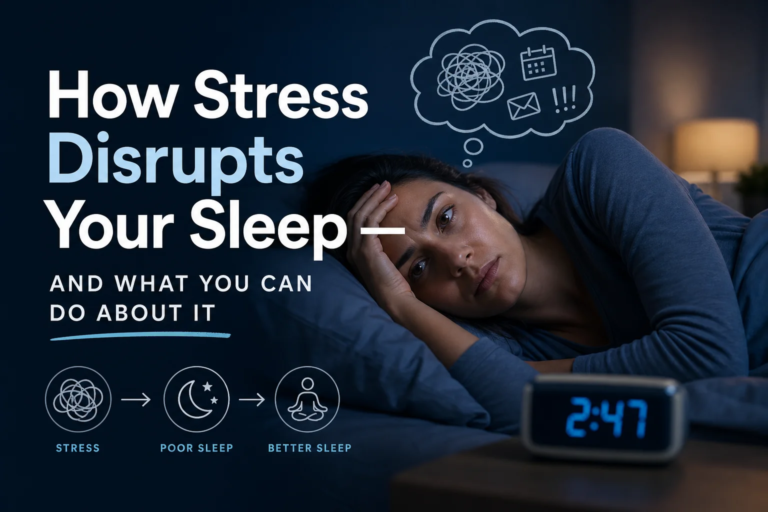
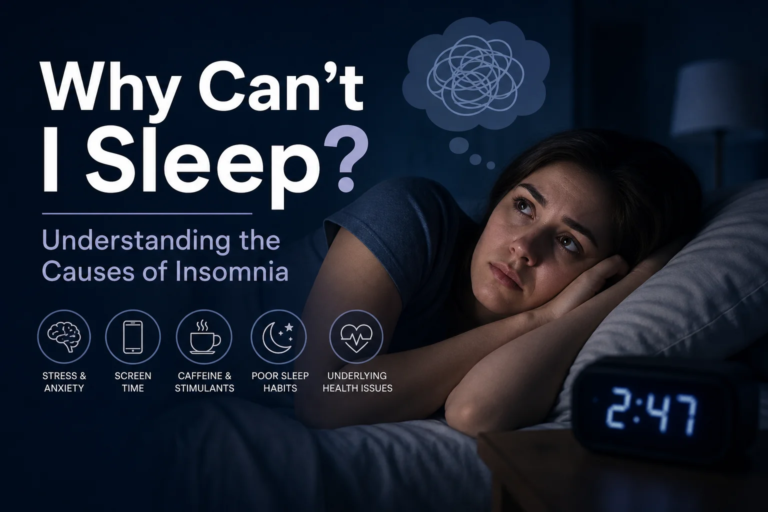
Sleep problems derail more health plans than almost anything else! When you can’t sleep well, everything else suffers—your energy, your focus, your immune function, and your motivation! Let’s fix the most common sleep disruptors with proven stress reduction techniques! 😴
13.1.1. Address Racing Thoughts and Anxiety
Does your mind race the moment your head hits the pillow? You’re not alone! Try the “brain dump” method before bed—grab a journal and write down everything swirling in your mind for 5-10 minutes!
This simple practice clears mental clutter and signals your brain that it’s safe to rest. Follow it up with 4-7-8 breathing: inhale for 4 counts, hold for 7, exhale for 8! This activates your parasympathetic nervous system and promotes calm! ✨
13.1.2. Handle Mid-Night Awakenings
Waking up at 3 AM creates massive anxiety for many people! Here’s your action plan: never look at the clock—it only increases stress! Instead, practice progressive muscle relaxation starting from your toes and working upward!
If you’re awake after 20 minutes, get up and do something boring in dim light until sleepiness returns. Read a paper book or fold laundry—anything that doesn’t involve screens! These natural stress management approaches work with your body instead of against it! 🌙
13.2. Adapting to Travel and Schedule Changes
Life happens! Conferences, professional development, family trips, and unexpected schedule changes are part of being a busy educator! The key isn’t avoiding disruptions—it’s maintaining your core habits through them! 🌍
13.2.1. Minimize Jet Lag with Light Exposure
Strategic light exposure resets your circadian clock faster than anything else! Get morning sunlight at your destination within 30 minutes of waking up—even 10 minutes makes a difference!
Avoid bright light in the evening to help your body adjust to the new time zone. This simple preventative health strategy reduces jet lag symptoms by up to 50% according to research! ☀️
13.2.2. Maintain Core Habits During Disruptions
You won’t execute everything perfectly while traveling—and that’s okay! Focus on maintaining core habits even in modified form! Maybe you can’t do your full 45-minute workout, but you CAN do 15 minutes of bodyweight exercises in your hotel room!
Maybe meal timing gets thrown off, but you CAN stay hydrated! This flexible approach to preventative health strategies keeps you consistent without creating unrealistic expectations! 💼
13.3. Building Habits That Stick
Consistency beats intensity every single time! Let’s talk about practical strategies that create lasting behavior change without requiring superhuman willpower! 🚀
13.3.1. Use the Two-Day Rule for Consistency
Here’s your non-negotiable rule: never skip your habit two days in a row! Miss Monday’s workout? Life happens! But Tuesday becomes non-negotiable! This prevents the “screw it” mentality that completely derails progress!
“Success is the sum of small efforts repeated day in and day out.”
The Two-Day Rule acknowledges real life while maintaining forward momentum. It’s one of the most effective stress reduction techniques because it removes the pressure of perfection! 🎯
13.3.2. Track Your Progress Without Perfectionism
Tracking creates awareness, but perfectionism creates paralysis! Use a simple app, calendar, or journal to record your habits—aim for 80% consistency, not 100%! Celebrate every win, no matter how small!
“I got 6 hours of sleep instead of 5!” counts as progress! “I moved my body 4 days this week!” deserves recognition! This mindset shift transforms natural stress management from a rigid system into a sustainable lifestyle! 🎉
| Common Obstacle | Quick Solution | Long-Term Strategy | Success Metric |
|---|---|---|---|
| Racing thoughts at bedtime | Brain dump journal + 4-7-8 breathing | Establish consistent evening routine | Fall asleep within 20 minutes |
| Travel disruptions | Morning sunlight exposure at destination | Maintain core habits in modified form | Adjust to new schedule within 2 days |
| Motivation drops | Apply Two-Day Rule immediately | Track progress with 80% consistency goal | Return to routine within 48 hours |
| Perfectionism paralysis | Celebrate small wins daily | Focus on progress over perfection | Maintain habits 4-5 days weekly |
Remember—obstacles don’t mean failure! They’re opportunities to practice resilience and prove to yourself that you can handle whatever life throws your way! You’ve got all the tools you need right here! 💪✨
14. Conclusion
You’ve learned about natural wellness strategies that will change your teaching career! These health pillars are your daily tools for success! 🚀
Your body’s defense system gets stronger with the right health habits. Sleep is key with 7-9 hours each night. Eating whole foods and staying active also boost your immune system. Plus, daily routines keep everything in sync! 💪
These practices form your functional medicine lifestyle. Start with one habit that feels easy. Then, add more as you get better. The Two-Day Rule helps you stay consistent without feeling overwhelmed! ✨
Healthy teachers make a big difference in the classroom. They have more energy and are less likely to get sick. This means you can focus on teaching without burnout! 🎓
Start improving your health today! Choose a small step like better sleep or more exercise. Small changes can lead to big improvements over time! 💚
You have all the tools to succeed. Now, use these strategies to boost your energy and well-being. Your teaching dreams are worth it! 🌟
FAQ
What are the four foundational pillars of first line defenses and why do they matter?
How does circadian rhythm affect my immune system and overall health?
What is sleep hygiene and what are the most important practices to implement?
How does meal timing affect my health beyond just what I eat?
What’s the connection between gut health and brain function, and how can I support it?
How much water should I drink daily and when should I drink it for optimal health?
What’s the difference between strength training and aerobic exercise, and do I need both?
How can I get quality sleep if I have racing thoughts and anxiety at night?
What is circadian rhythm optimization and how do I implement it practically?
How do I maintain these healthy habits when traveling or during schedule disruptions?
What supplements actually support immune function and natural defenses?
How do I create a personalized daily schedule that incorporates all four pillars?
What’s the Two-Day Rule and why is it effective for maintaining habits?
About the Author