Introduction
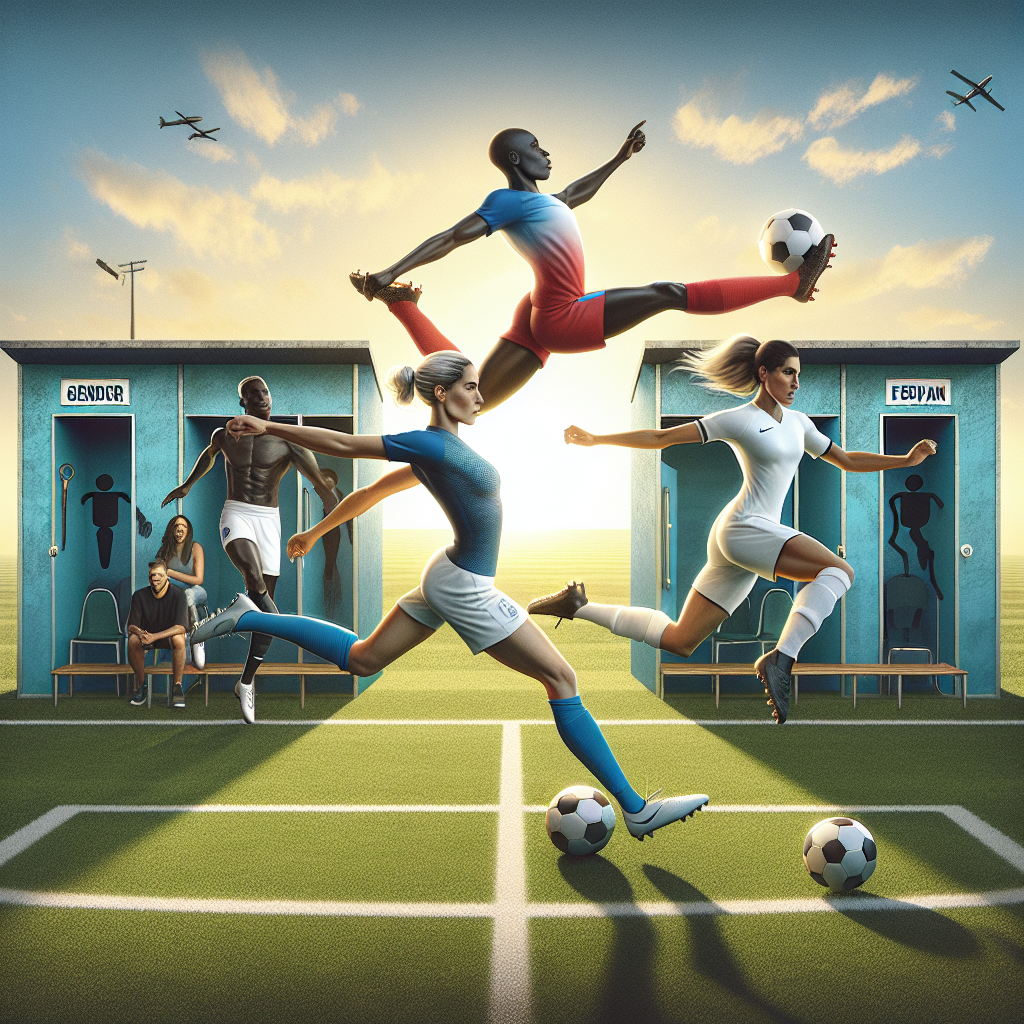
In the dynamic realm of athletics, the line between masculinity and femininity has often been rigid, rooted in societal norms and perceptions. Yet, as the world progresses, new ideologies emerge that challenge these conventions, giving rise to a wave of transformation known as androgyny in sports. This phenomenon not only encapsulates the blending of gender traits but also represents a rebellious stand against the old definitions of gender roles within athletics. From non-binary athletes claiming their space on the field to gender-neutral competitions, this article explores how androgyny in sports is breaking down gender barriers and paving the way for a more inclusive future.
The Historical Context of Gender in Sports
To fully comprehend the impact of androgyny in sports today, it is vital to acknowledge the historical context that shaped gender roles in athletics. For centuries, sports have been seen as a bastion of masculinity, with women often marginalized or entirely excluded. The introduction of Title IX in the United States in 1972 marked a significant turning point, mandating equal opportunities in educational programs, including athletics. This legislative move opened doors for women, challenging the prevailing norms and laying the groundwork for future discussions about gender fluidity in sports.
Gender Norms and Stereotypes
For decades, athletes were pigeonholed based on gender stereotypes. Male athletes were expected to be aggressive and dominant, whereas female athletes were often met with skepticism regarding their strength and competitiveness. The binary system not only diminished the potential of countless talents but also reinforced harmful stereotypes about gender.
The Emergence of Androgyny in Sports
With the advent of social movements advocating for LGBTQ+ rights and gender equality, a new understanding of androgyny began to infiltrate the world of sports. Terms like "gender-neutral" gained traction, and athletes felt empowered to challenge traditional classifications. This evolution isn’t just about redefining identities; it’s about reshaping how sports are played, viewed, and celebrated.
Case Study: Tommy Moore
One of the most notable examples of androgyny in sports is Tommy Moore, a non-binary marathon runner who competes in mixed-gender races. Moore’s journey highlights the struggles and triumphs of athletes defying gender norms. In 2021, Tommy became one of the first non-binary athletes sponsored by a major sports brand, serving as an inspiration for countless individuals. Their advocacy work encourages young athletes to embrace their identities, regardless of societal expectations.
Table 1: Key Milestones in Gender Equity in Sports
| Year | Milestone | Description |
|---|---|---|
| 1972 | Title IX | Prohibits gender-based discrimination in federally funded education, significantly increasing female participation. |
| 2004 | First Transgender Olympics Athlete | The inclusion of trans athletes ignited conversations around gender identity and sports. |
| 2012 | IOC Guidelines on Transgender Athletes | Allowing transgender athletes to compete in accordance with their identified gender. |
| 2020 | Gender-Neutral Categories Introduced in Competitions | Many sports organizations began offering gender-neutral categories to promote inclusivity. |
Androgyny in Sports: The Breaking Point
The transformative shift towards androgyny in sports propels significant changes not only in how athletes are perceived but also in strategy, training, and competition formats. This blend challenges us to rethink traditional norms, questioning what it means to be a ‘male’ or ‘female’ athlete.
Inclusivity and Participation
Breaking borders—literal and metaphorical—has been pivotal in increasing participation rates. More athletes now find their identities reflected in inclusive frameworks:
Case Study: Non-Binary Competitions
Organizations like the International Mixed Gender Games have made substantial gains in promoting inclusivity through gender-neutral categories. These competitions allow athletes to participate in an environment that honors their identities, emancipating them from traditional binary limitations. These sporting events have witnessed a surge in participation rates and fan engagements.
Chart 1: Participation Rates in Gender-Neutral Competitions (2021)
| Competition Type | Male Athletes | Female Athletes | Non-Binary Athletes |
|---|---|---|---|
| Traditional Events | 60% | 40% | 0% |
| Gender-Neutral Events | 40% | 40% | 20% |
The Impact on Young Athletes
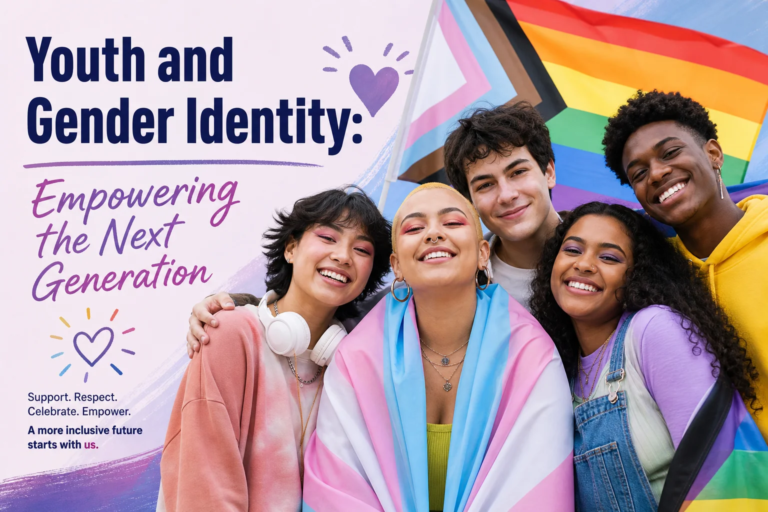
With the emergence of androgyny in sports, younger generations are now exposed to a more inclusive sporting culture. This evolution influences not only participation rates but also the psychological well-being of young athletes who may identify outside the gender binary.
Case Study: The Dynamic Duo Project
This initiative connects young athletes with mentors from diverse backgrounds. Focusing on androgyny and gender inclusivity, it helps dispel myths surrounding gender stereotypes. Feedback from participants indicates improved self-esteem and enhanced motivation to engage in sports.
The Role of Media
Media plays a significant role in shaping perceptions of gender and sports. The portrayal of androgynous athletes in mainstream media enhances visibility and normalizes diversity. Recent documentaries and features on platforms like Netflix and ESPN highlight the journeys of gender-fluid athletes, fostering a new narrative around what it means to be an athlete today.
Advocacy through Representation
Athletes like Billie Jean King and Caitlyn Jenner have used their platforms to advocate for equal rights, bringing attention to issues affecting the LGBTQ+ community in sports. Their efforts have encouraged others, pushing the norms of representation further into the light.
Potential Challenges Ahead
While we celebrate the strides made in androgyny in sports, it is crucial to acknowledge the challenges that persist. Issues of acceptance, policy development, and resource allocation still plague many sporting organizations. Resistance to change from traditionalists and a lack of understanding about gender identity often impede progress.
The Need for Policies
Clear policies that address the participation of transgender and non-binary athletes are vital. Organizations must develop guidelines that encourage participation while ensuring fair competition. The importance of education on gender identities within coaching programs cannot be understated.
Conclusion
Androgyny in sports is not merely a trend; it is a movement that seeks to redefine identity and inclusivity in athletics. As societal norms continue to shift, embracing the spectrum of gender identities will foster an environment where all athletes can thrive. From legislative changes to grassroots initiatives, the path toward a more inclusive sports culture is both a challenge and a necessity.
Athletes today are breaking down gender barriers, paving the way for future generations. By engaging in discussions about androgyny in sports, we can inspire actionable change, nurturing an environment where talent and determination dominate over outdated perceptions.
FAQs
1. What does androgyny in sports mean?
Androgyny in sports refers to the blending of male and female characteristics in athletes, challenging traditional gender norms and fostering inclusivity in athletic participation.
2. Are there sports specifically designed for non-binary athletes?
Yes, many organizations have introduced gender-neutral categories and competitions to promote inclusivity and allow non-binary athletes to compete.
3. How can I support gender inclusivity in sports?
Support can come in many forms, including advocating for policy changes, promoting inclusive practices in local clubs, and amplifying the voices of underrepresented athletes.
4. What are some challenges faced by non-binary athletes?
Non-binary athletes often face misunderstanding, lack of policies supporting their participation, and discrimination, which can hinder their competitive experience.
5. Why is media representation important for androgyny in sports?
Media representation helps foster understanding and acceptance of diverse gender identities, normalizing androgyny in sports and inspiring young athletes.
In conclusion, the movement towards androgyny in sports has the potential to dismantle barriers and reshape perceptions. As we champion inclusivity, we honor the competitive spirit that unites us all, transcending the limitations of gender. Let’s continue to marvel at the beautiful tapestry of athletes that enrich our sporting culture, driven by a shared passion for competition and excellence.
About the Author


The PsyForU Editorial Collective is the research and editorial team of PsyForU Research International. The collective prepares educational, psychological, mental-health-awareness, inclusion, neurodiversity, and research-methodology content for students, parents, educators, researchers, and general readers. PsyForU content is intended for awareness, education, and capacity-building and should not be treated as clinical diagnosis, therapy, medical advice, legal advice, or emergency mental-health support.