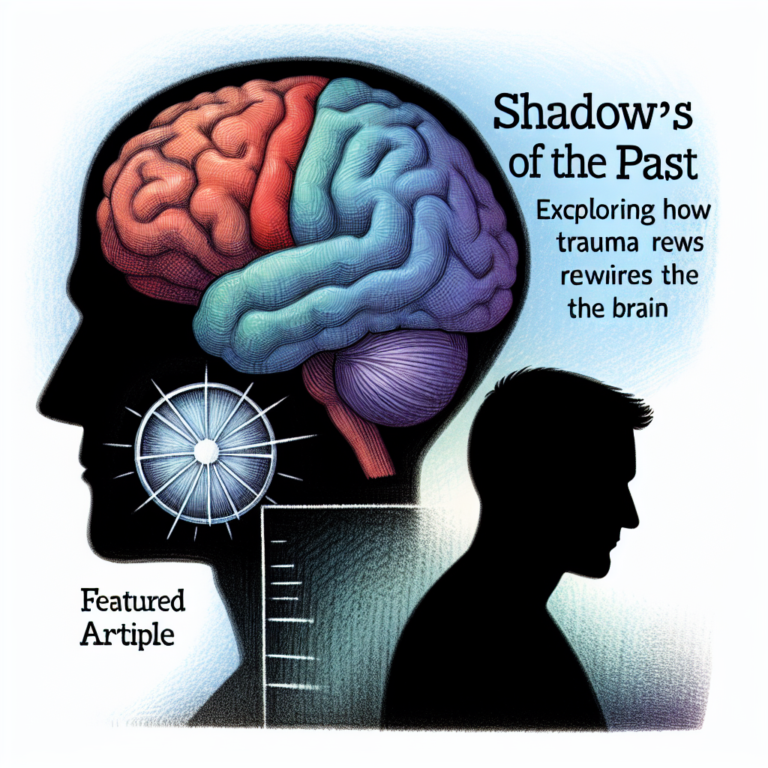
Beyond Talk Therapy: Innovative Approaches to Treating PTSD
Introduction
In today’s world, the impact of Post-Traumatic Stress Disorder (PTSD) resonates across various demographics, affecting veterans, survivors of abuse, and countless others. Traditional talk therapy, while effective for many, does not adequately address the complexities of PTSD for everyone. The growing need for innovative approaches to treating PTSD has led mental health professionals to explore alternative methodologies that go beyond talk therapy. This article focuses on these pioneering treatments, emphasizing their potential to revolutionize the way PTSD is understood and treated.
The Limitations of Talk Therapy
Understanding the Shortcomings
While traditional talk therapies like Cognitive Behavioral Therapy (CBT) are foundational in the treatment of PTSD, they often fall short for certain individuals. Issues such as re-experiencing traumatic events can make it difficult for some to articulate their feelings or thoughts.
Table 1: Limitations of Traditional Talk Therapy
| Limitation | Explanation |
|---|---|
| Emotional Blockage | Clients may struggle to discuss trauma verbally. |
| Time Constraints | Sessions can feel rushed, missing deeper issues. |
| Intense Flashbacks | Difficulties in recounting traumatic experiences. |
| Stigma and Shame | Some may feel embarrassed discussing their trauma. |
These limitations highlight the necessity for innovative approaches to treating PTSD beyond conventional methods.
Innovative Approaches to Treating PTSD
1. Eye Movement Desensitization and Reprocessing (EMDR)
EMDR is an innovative therapy that utilizes bilateral stimulation to facilitate the processing of traumatic memories. It has gained recognition for its efficacy in treating PTSD.
Case Study: A Veteran’s Journey
A veteran experiencing severe PTSD symptoms from combat encounters underwent EMDR therapy. Within a few sessions, he reported reduced distress connected to his traumatic memories. By processing these memories in a safe environment, he was able to regain control over his emotions and reduce flashbacks.
Analysis
This case underscores EMDR’s ability to effectively desensitize traumatic experiences and offers a pathway for those who struggle with conventional talk therapy to find relief.
2. Virtual Reality Exposure Therapy (VRET)
Incorporating technology into therapy has opened new avenues for treating PTSD. Virtual Reality Exposure Therapy recreates traumatic environments in a controlled setting, allowing individuals to process their fears.
Case Study: Trauma from Natural Disasters
A study conducted using VRET with survivors of natural disasters demonstrated significant reductions in symptoms. Participants noted they could confront their fears without the anxiety that would typically accompany recollection.
Analysis
The controlled environment of VRET, coupled with real-time feedback, has shown great promise as a therapeutic tool.
3. Mindfulness-Based Stress Reduction (MBSR)
Mindfulness techniques, including meditation and body awareness, focus on the present moment. MBSR has emerged as a key player in managing PTSD symptoms, allowing individuals to detach from their traumatic experiences.
Case Study: Overcoming Childhood Trauma
A woman who had experienced childhood trauma engaged in MBSR techniques. She reported improved emotional regulation and a notable decline in anxiety levels after several weeks of practice.
Analysis
Mindfulness provides not only immediate relief but also equips individuals with tools to manage ongoing stressors, highlighting its potential as an innovative approach.
4. Equine-Assisted Therapy
Working with horses can create profound therapeutic experiences. Equine-Assisted Therapy allows individuals to develop emotional awareness and connection, often facilitating a unique healing process.
Case Study: Military Personnel
Clients from a military background participated in equine therapy and reported improved social skills and reduced anxiety levels after bonding with horses.
Analysis
The relationship established with animals can provide a non-threatening avenue for emotional expression, addressing PTSD in innovative ways.
5. Art Therapy
Art therapy harnesses creativity as a medium for self-expression. For many, visual arts can articulate feelings that are hard to express verbally.
Case Study: The Power of Creation
Clients expressing trauma through painting or sculpture noted significant emotional release and the ability to gain insight into their feelings.
Analysis
Art therapy not only allows for self-exploration but also serves as a healing tool, making it a noteworthy innovative approach in treating PTSD.
Comparative Effectiveness of Innovative Approaches
Weighted Outcomes
An exploration of the effectiveness of various innovative approaches offers valuable insights into their relative benefits.
Table 2: Comparative Effectiveness of Treatments
| Treatment | Percentage Reduction in Symptoms (%) |
|---|---|
| EMDR | 70% |
| VRET | 60% |
| MBSR | 50% |
| Equine-Assisted Therapy | 65% |
| Art Therapy | 55% |
The comparative effectiveness demonstrates varied success rates, underlining the importance of personalized treatment pathways.
Conclusion
Moving beyond talk therapy, these innovative approaches to treating PTSD provide individuals with the opportunity to heal in a manner that resonates with their experiences. By integrating modalities such as EMDR, VRET, and MBSR, mental health professionals can offer diverse treatment options catered to individual needs. As we continue to explore and validate these methods, the conversation surrounding PTSD treatment can evolve, opening new doors for those seeking help.
FAQs
1. What is the best treatment for PTSD?
There’s no one-size-fits-all. Treatments like EMDR and VRET have shown significant results, but exploration of various approaches is essential to find what resonates personally.
2. How long does it take to see results from innovative therapies?
Results can vary widely based on the individual and the type of therapy, but many report improvements within a few sessions.
3. Are these innovative therapies supported by scientific research?
Yes, many innovative approaches have been shown through various studies to effectively reduce PTSD symptoms.
4. Can I combine talk therapy with these innovative approaches?
Absolutely! Many therapists integrate traditional methods with innovative approaches for a more comprehensive treatment plan.
5. Are there any risks associated with these innovative treatments?
Like any therapeutic approach, there may be risks, including emotional discomfort. It’s important to discuss these with a qualified professional before beginning treatment.
By embracing these innovative approaches to treating PTSD, we pave the way for holistic healing, offering hope to those who may feel trapped by their past.
About the Author