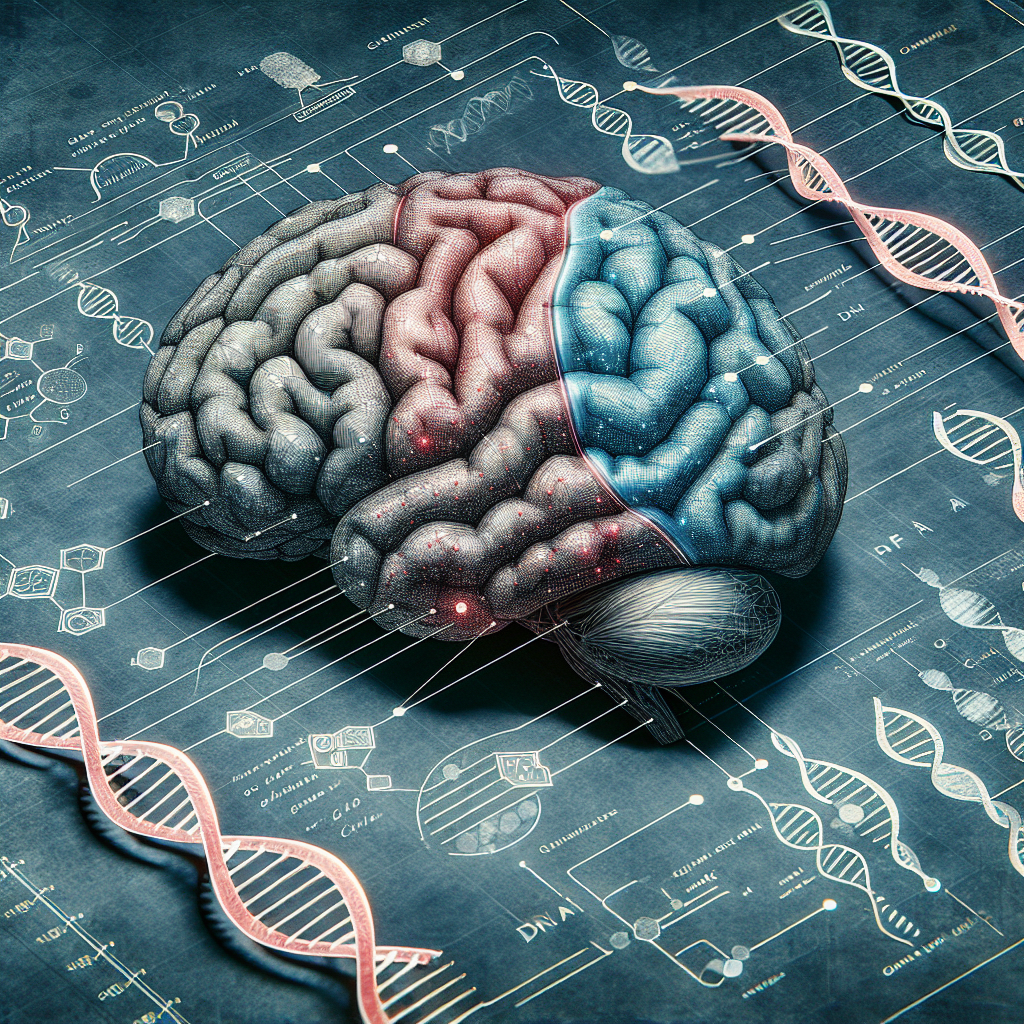
Blueprints of the Mind: Understanding Genetics in Mental Health for a Healthier Tomorrow
Introduction
Imagine navigating the profound complexities of the human mind as if you were an architect, using blueprints to understand emotional landscapes, behavioral tendencies, and mental health conditions. This is precisely what the field of genetics provides us: the blueprints of the mind. Understanding the genetics behind mental health can unlock doors to better treatments, more personalized care, and an opportunity to break the pervasive stigma surrounding mental illnesses.
Mental health challenges affect millions of people worldwide, yet only recently have we begun to scratch the surface of the biological underpinnings that contribute to them. By diving into the nuances of genetics, we can gain invaluable insights into prevention, treatment, and even self-care. This article, titled "Blueprints of the Mind: Understanding Genetics in Mental Health," will explore the intricate relationship between our genes and mental well-being, offering you not just information, but the potential for transformation.
The Genetic Landscape of Mental Health
What are Genes and Why Do They Matter?
At their core, genes are segments of DNA that provide the instructions needed to build proteins, which are essential for the body’s functioning. But their influence extends far beyond physical attributes. Recent research indicates that genetics plays a significant role in mental health, affecting how individuals respond to environmental stressors and treatments.
Key Genes Associated with Mental Health
- SLC6A4 (Serotonin Transporter Gene): Variations in this gene have been linked to increased vulnerability to depression and anxiety disorders.
- COMT (Catechol-O-Methyltransferase): This gene helps regulate dopamine levels, and its variants have been associated with schizophrenia and mood disorders.
- BDNF (Brain-Derived Neurotrophic Factor): Vital for neuronal health, variations can impact cognition and emotional responses.
Case Study: The Role of SLC6A4 in Depression
In a landmark study published in 2003, researchers found that individuals with a particular variant of the SLC6A4 gene were more susceptible to depression following stressful life events. This case highlights how our genetic makeup can be a risk factor, demonstrating that understanding these blueprints can lead to better-targeted interventions.
Analysis: Thanks to this study, clinicians can now more effectively identify at-risk individuals and tailor preventive strategies, proving that "Blueprints of the Mind: Understanding Genetics in Mental Health" can profoundly impact treatment outcomes.
Nature vs. Nurture: Finding the Balance
The Interplay of Genetics and Environment
While genetics lays the foundation for mental health, environmental factors also play a crucial role. This complex interplay is often described as the "gene-environment interaction."
Understanding Epigenetics
Epigenetics refers to changes in gene expression that do not involve alterations to the DNA sequence. These changes can be influenced by environmental factors such as stress, nutrition, and exposure to toxins.
Chart: The Gene-Environment Interaction
| Factor | Genetic Influence | Environmental Influence |
|---|---|---|
| Stress | Heightened risk in carriers | Life events, trauma |
| Nutrition | May exacerbate conditions | Access to a healthy diet |
| Substance Abuse | Predisposition in families | Social environment |
Case Study: Resilience in the Face of Adversity
A study on children raised in stressful environments but who displayed resilience found that protective genes, possibly interacting with positive experiences, helped mitigate the negative effects of their upbringing. This showcases the power of the environment in shaping not just outcomes but the very expression of our genetic blueprints.
Analysis: Research like this emphasizes that while genetics provides foundational knowledge, interventions must also address environmental factors to be truly effective.
Genetic Testing and Mental Health: A Double-Edged Sword?
Advances in Genetic Testing
As we gather more understanding of the blueprints of mental health, genetic testing becomes a viable option for many. Tests can identify potential vulnerabilities to certain mental health disorders, allowing individuals and their healthcare providers to take proactive steps.
Benefits
- Early Detection: Knowing vulnerabilities can guide preemptive measures.
- Tailored Treatment: Genetic insights can help customize medication plans.
- Personal Empowerment: Individuals gain knowledge to make informed decisions.
Ethical Considerations
However, genetic testing raises ethical concerns, including confidentiality, potential stigma, and misconceptions about determinism. Is it ethical to know if you’re predisposed to anxiety or depression? And how might this knowledge shape your life and choices?
FAQs on Genetic Testing
Is genetic testing for mental health reliable?
- While it can provide insights, it’s not definitive. Consider it one component of a larger diagnostic picture.
Will genetic testing reveal if I will definitely get a mental illness?
- No, it indicates a higher risk but not certainty. Environmental factors and lifestyle choices play a significant role.
Can genetic tests predict the effectiveness of treatments?
- Some tests can guide medication choices, making them more effective for certain individuals.
Who should consider genetic testing?
- Those with a family history of mental health conditions or individuals experiencing unexplained mental health issues might find it valuable.
- Are there privacy concerns with genetic testing?
- Yes, confidentiality is crucial, and individuals should be informed about how their data will be used and stored.
Innovations in Treatment: Genetic Therapies on the Horizon
The Promise of Gene Therapy
As we explore the blueprints of the mind, the future of mental health treatments may lie in gene therapy. This innovative field aims to correct genetic abnormalities at their source, potentially alleviating or even curing mental health disorders.
Current Research
Research shows promise in manipulating genes related to mood regulation and emotional processing. For instance, studies on CRISPR technology demonstrate the potential to edit genes linked to depression-related dysfunctions.
Case Study: Altering BDNF Expression
In animal models, scientists have successfully altered BDNF levels to improve depressive-like symptoms and promote neural plasticity. This groundbreaking work paves the way for human therapies focused on strengthening neural connections rather than merely managing symptoms.
Analysis: The implications are profound—if gene therapies make their way to clinical settings, it could revolutionize the approach to major mental health disorders, emphasizing "Blueprints of the Mind: Understanding Genetics in Mental Health."
The Future of Mental Health: Moving Beyond the Stigma
Educating the Public
Understanding the genetic components of mental health disorders can help to destigmatize these conditions. Education breeds compassion, and as we learn more about the biological basis of mental illness, it becomes easier to understand that these are not moral failings but medical conditions.
Community Initiatives
Programs that focus on genetic literacy can foster understanding and acceptance. Initiatives that encourage open conversations about mental health genetics will empower communities, allowing individuals to seek help without fear of judgment.
Conclusion: Paving the Path Forward
The blueprints of the mind offer invaluable insights into our mental health. By understanding the intersection of genetics, environment, and individual experience, we are better equipped to develop effective strategies for prevention and treatment. As we stand on the brink of a new era in mental health care, it is crucial that we approach this knowledge with empathy and responsibility.
Let us embrace the information, explore genetic insights, and advocate for mental health awareness. Remember that your mind’s blueprint is unique, but it is also the starting point for understanding and improving your mental well-being.
FAQs
1. What mental health disorders are most influenced by genetics?
Many disorders, including bipolar disorder, schizophrenia, and major depressive disorder, have significant genetic components.
2. Can lifestyle changes alter my genetic predisposition to mental illness?
While lifestyle cannot change your genes, it can significantly influence how those genes express themselves, affecting mental health outcomes.
3. Is it important to discuss mental health genetics with family?
Absolutely! Understanding family history can provide insights into potential risks and foster proactive measures for mental health.
4. How can I take charge of my mental health considering genetic risks?
Proactively engaging in therapy, practicing self-care, and maintaining a support network are vital steps alongside any genetic insights.
5. What resources are available for those interested in genetic testing for mental health?
Organizations such as the National Institutes of Health (NIH) and genetic counseling services can provide information about testing options and implications.
In conclusion, as we deepen our understanding of "Blueprints of the Mind: Understanding Genetics in Mental Health," we open a pathway to compassion, awareness, and transformative change in the realm of mental health care.
About the Author