Introduction
In a world that often equates strength with stoicism, the idea of being emotionally vulnerable can seem paradoxical. Yet, "Breaking Down Barriers: How Emotional Vulnerability Leads to Personal Growth" reveals the transformative power of opening ourselves up emotionally. Imagine a robust structure, built painstakingly over years, only to find that a few cracks can lead to its downfall. This is similar to how our emotional barriers can hinder personal development. It’s time to dismantle these barriers and embrace vulnerability as a crucial step toward growth.
The relevance of this topic is undeniable, especially in today’s fast-paced society where mental health issues and emotional struggles are increasingly in the spotlight. From leaders to everyday individuals, understanding and harnessing emotional vulnerability can pave the way for profound transformation.
Understanding Emotional Vulnerability
What is Emotional Vulnerability?
Emotional vulnerability is the willingness to expose one’s feelings, thoughts, and experiences. It’s an admission that we’re not always okay, and that’s perfectly fine. This concept is often misconceived as a weakness, whereas it is, in fact, a profound strength. Emotional vulnerability allows us to build authentic connections, seek help, and engage in self-reflection.
The Psychological Perspective
From a psychological standpoint, Dr. Brené Brown, a leading expert on vulnerability, emphasizes that vulnerability is not weakness; it’s our most accurate measure of courage. In her extensive research, Brown found that individuals who embrace vulnerability are more likely to experience joy, creativity, and connection. The moral of the story? Recognizing your vulnerabilities is the first step in breaking down the barriers that hold you back.
Breaking Down the Barriers
Emotional Barriers and Their Impact
Every individual possesses unique emotional barriers. These might include fear of judgment, past trauma, or negative beliefs about oneself. Such barriers can limit our relationships, hinder personal ambitions, and even affect our physical health.
Case Study: The Impact of Emotional Barriers at Work
Overview: A manager in a corporate setting struggles with expressing vulnerability. Fearing that it would undermine her authority, she refrains from admitting when she’s overwhelmed.
Results: Over time, her team feels disconnected and unmotivated. Their lack of engagement leads to decreased productivity.
Analysis: This case highlights that emotional barriers not only affect individual growth but can have a ripple effect on teams.
Steps to Recognize and Overcome Emotional Barriers
- Self-Reflection: Journaling, meditation, or therapy can offer insights into your emotional barriers.
- Seek Support: Sharing feelings with trusted friends or family can help diminish the weight of your burdens.
- Practice Assertiveness: Learning to communicate your needs allows you to express vulnerability without fear.
The Role of Vulnerability in Personal Growth
Embracing Failure
Vulnerability invites us to address failure directly. By accepting that failure is a part of the growth process, we allow ourselves to learn and adapt.
Case Study: Innovative Entrepreneurs
Overview: A tech startup founder openly discusses the setbacks he experienced while launching his product.
Results: His openness fosters a culture of innovation within his team, where mistakes are viewed as lessons rather than disasters.
Analysis: This indicates that embracing vulnerability can cultivate an environment conducive to growth and creativity.
Building Authentic Relationships
Emotional vulnerability also plays a crucial role in forging genuine connections. When we share our true selves, we allow others to do the same, creating bonds that are deep and meaningful.
Case Study: The Power of Vulnerability in Friendships
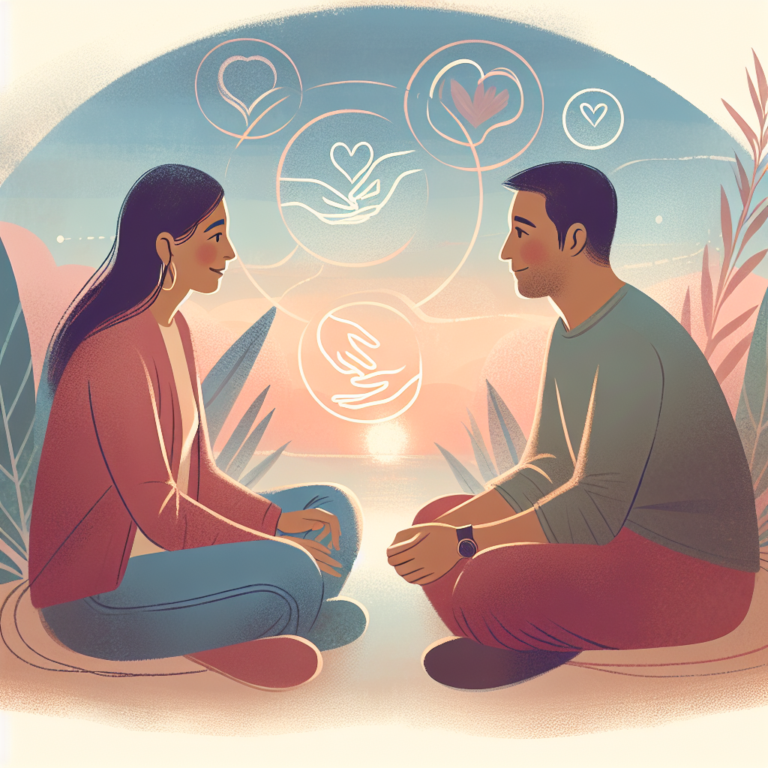
Overview: Two friends have a heart-to-heart conversation about their struggles with mental health.
Results: This exchange strengthens their bond, leading to mutual support and increased resilience.
Analysis: The emotional openness not only deepens their connection but also contributes to their individual growth.
Tables and Charts: The Emotional Vulnerability Spectrum
| Emotional Barrier | Effect on Personal Growth | Steps to Overcome |
|---|---|---|
| Fear of Judgment | Stunted relationships | Practice vulnerability |
| Low Self-Esteem | Limited opportunities | Develop self-affirmation |
| Past Trauma | Emotional disconnect | Seek therapy |
| Negative Self-Talk | Self-sabotage | Challenge negative thoughts |
Conclusion
Breaking down barriers through emotional vulnerability is an essential journey toward personal growth. By recognizing and addressing our emotional walls, we not only foster resilience within ourselves but also create a supportive environment for others. The process encourages authentic relationships, nurtures creativity, and allows us to thrive.
So, let your defenses down. Embrace the courage that vulnerability can bring, and set yourself on the path to a fulfilling life, rich with connections and personal insights.
FAQs
1. Why is emotional vulnerability so important?
Emotional vulnerability allows for deeper connections and personal growth. It encourages open communication and authenticity.
2. How can I start being more vulnerable?
Begin with self-reflection. Identify your fears and find safe spaces to share your feelings, such as with trusted friends or a therapist.
3. Does vulnerability lead to weakness?
No, vulnerability is a strength. It takes courage to admit one’s feelings and uncertainties, and doing so can promote personal and relational growth.
4. Can practicing vulnerability improve my mental health?
Absolutely! Emotional vulnerability can help reduce feelings of anxiety and isolation. It often leads to stronger support systems.
5. How do I know if I’m becoming more vulnerable?
Signs include increased emotional openness, improved relationships, and a willingness to seek help when needed. You may also notice a decrease in the fear of judgment.
Remember, the journey toward emotional vulnerability and personal growth is ongoing. Stay open, stay courageous, and keep breaking down those barriers!
About the Author