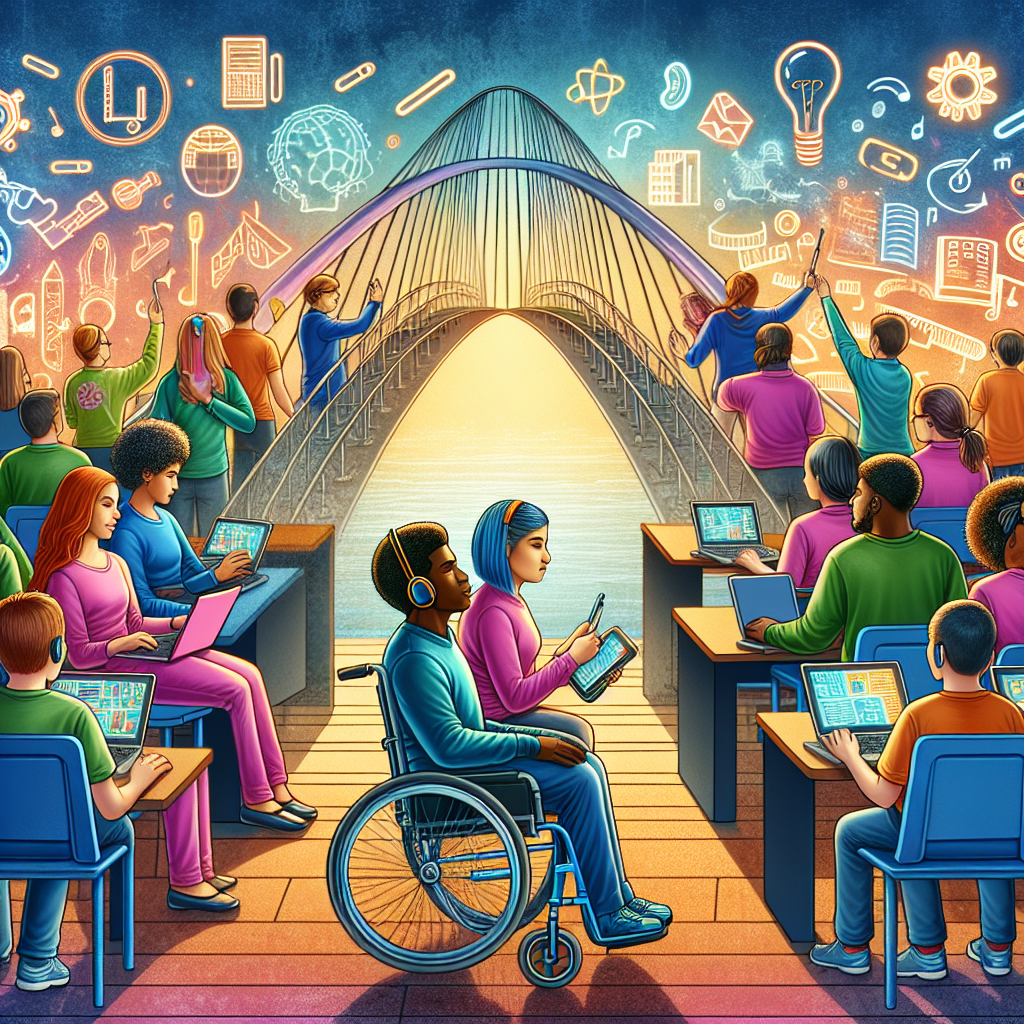
Bridging the Gap: How Technology is Transforming Learning for Students with Disabilities
Introduction
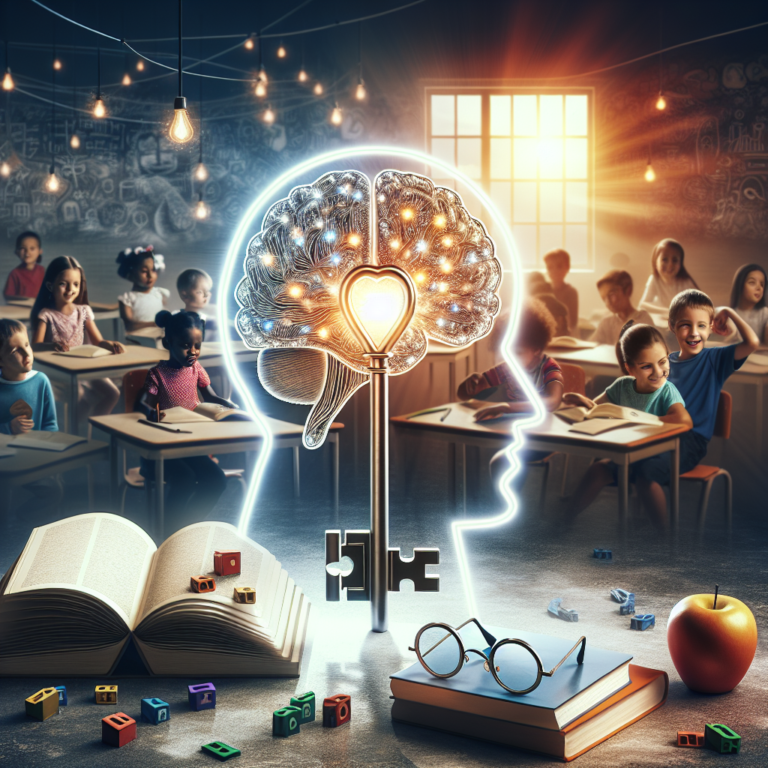
In an era where technology permeates every aspect of our lives, it stands as a beacon of hope for countless students facing disabilities. Education is not just about books and classrooms; it’s about unlocking the potential that every individual holds within. Bridging the Gap: How Technology is Transforming Learning for Students with Disabilities is not just a tagline; it’s a transformative journey that utilizes innovative tools to make learning accessible for everyone.
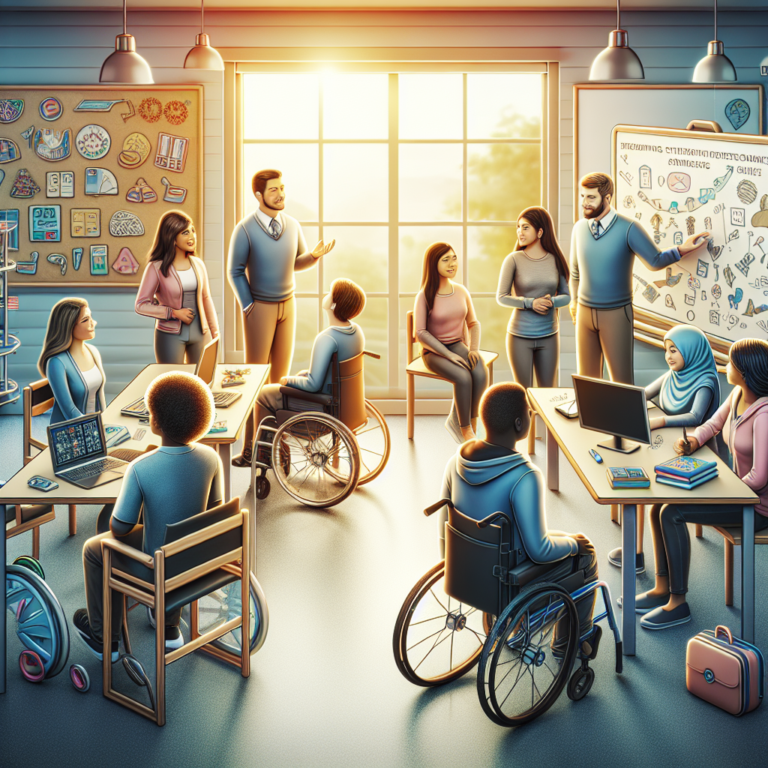
Consider a world where every child—regardless of their challenges—has the tools necessary to thrive academically and socially. Imagine a classroom where the latest technology adapts to individual needs rather than forcing students to adapt to a rigid system. This article delves into the profound impact of technology on learning for students with disabilities, providing a roadmap for educators, parents, and advocates to navigate this essential journey.
The Changing Landscape of Education
Historical Context
Traditionally, students with disabilities faced significant barriers in education. From inadequate resources to negative societal perceptions, the landscape was often unforgiving. Research shows that inclusive education can significantly enhance learning experiences for all students, allowing for diverse perspectives and mutual growth.
The Shift Toward Inclusion
Legislative measures like the Individuals with Disabilities Education Act (IDEA) have paved the way for inclusivity in educational settings. However, the question remains: how can we enhance and sustain this inclusivity? This is where technology steps in, offering solutions that promote not just participation but active engagement.
The Promise of Assistive Technology
What is Assistive Technology?
Assistive technology (AT) refers to devices or software designed to assist individuals with disabilities. This can range from simple tools, like pencil grips, to sophisticated software that enables communication for those with speech impairments.
Case Study 1: Speech Generating Devices (SGDs)
One striking example is the use of SGDs in the classroom. Students with speech disabilities can express themselves through devices that generate speech based on text input, allowing them to participate in discussions and engage with peers.
Analysis: The Importance of SGDs
This technology not only bridges communication gaps but also fosters a sense of belonging, empowering students to share their thoughts and ideas without hindrance.
Transformative Applications in Learning
Gamification in Education
One of the exciting developments in educational technology is gamification. Educational games designed for special education cater to diverse learning styles while making learning accessible and enjoyable.
Benefits of Gamification
- Engagement: Games capture attention and motivate students to learn.
- Personalization: Many games adapt to the user’s pace and level of understanding.
- Skill Development: From problem-solving to social skills, games foster a range of competencies.
Online Learning Platforms
With the rise of online learning platforms, students with disabilities can access tailored courses that meet their specific needs.
Highlighting Flexibility and Accessibility
Online platforms often provide:
- Captions and Transcripts: Ideal for students with hearing impairments.
- Visual Aids: Resources that include graphics and videos greatly assist visual learners.
- Customizable Interfaces: Adjusted layouts for easier navigation.
Case Study 2: Khan Academy
Khan Academy offers a wide range of courses and subjects, complete with options for customizable learning experiences. For students with disabilities, this platform provides the flexibility to learn at their own pace.
Analysis: Personalized Learning Environments
Khan Academy’s adaptable interface showcases how technology can support diverse learning needs, making education more inclusive and effective.
Embracing Virtual Reality
The Role of VR in Special Education
Virtual reality (VR) offers immersive experiences that can help students with disabilities engage with learning in novel ways. Think about a student with a physical disability who can now explore historical sites or complex scientific concepts through VR.
Benefits of VR
- Enhanced Learning Experiences: VR allows for firsthand encounters with concepts that might be difficult to grasp in a traditional classroom.
- Emotional Engagement: Immersive experiences can evoke empathy and understanding.
- Safe Learning Environments: Students can practice real-life scenarios without the risks that come with them.
Case Study 3: Oculus for Good
Oculus has initiated programs specifically designed to cater to the learning needs of students with disabilities. They have developed VR experiences that promote interaction and collaboration among students while removing physical barriers.
Analysis: A New Dimension of Learning
The use of VR in classrooms showcases how technology can create inclusive environments that are not just accommodating but also enriching.
Data and Analytics: A Game Changer
Movement Toward Data-Driven Education
Data analytics provides insights into student performance, helping educators identify those who may require additional support. By analyzing patterns, teachers can design personalized interventions that truly address the unique needs of each student.
Benefits of Data Analytics
- Improved Outcomes: Tailored learning experiences can lead to improved academic performance.
- Enhanced Engagement: Regular assessments can help gauge student interest and engagement levels.
Barriers to Implementation
Financial Constraints
Despite the potential benefits of technology, financial barriers can limit its implementation in schools. Many educational institutions struggle to secure funding for assistive technologies or comprehensive training for educators.
Training for Educators
There’s also a pressing need for professional development. Educators must be equipped not only with the tools but also with the knowledge to effectively utilize these technologies in their classrooms.
Addressing Resistance to Change
For some educators, incorporating technology into the classroom comes with a learning curve and a degree of resistance. Overcoming this requires a cultural shift within educational institutions that emphasizes the importance of tech in facilitating learning.
Conclusion: A Path Forward
As we’ve explored, Bridging the Gap: How Technology is Transforming Learning for Students with Disabilities is a narrative of empowerment, innovation, and commitment. The future of education hinges on our ability to embrace technology to create inclusive and engaging learning environments that cater to every child.
By investing in assistive technologies, providing adequate training, and fostering inclusive teaching practices, we can ensure that every learner has the tools they need to succeed. Together, we can bridge the gap and revolutionize education for students with disabilities.
FAQs
1. What types of assistive technology are available for students with disabilities?
Available types of assistive technology range from basic tools like speech recognition software, to specialized devices such as communication boards and hearing aids.
2. How can parents advocate for technology in their child’s education?
Parents can collaborate with educators, attend school board meetings, and express their child’s unique needs to ensure the necessary resources and technologies are implemented.
3. What role does government funding play in providing assistive technology?
Government funding is critical in providing school districts with the necessary resources for acquiring assistive technologies and training for staff.
4. Can technology help with social skills development for students with disabilities?
Yes, many applications and programs are designed to improve social interactions and emotional understanding among students with disabilities.
5. How do gamified learning experiences benefit students with disabilities?
Gamification introduces motivation, enhances engagement, and caters to various learning styles, ultimately making education more accessible.
6. What steps can schools take to integrate VR technology effectively?
Schools can start with pilot programs, seek partnerships with tech companies, and provide training for educators to ensure successful integration of VR into the curriculum.
As we strive to bridge the divide in education, let us remain committed to creating spaces where every student can thrive. Technology holds the potential to transform learning landscapes, unlocking a world of possibilities for students with disabilities. Let’s champion this change and make it a reality!
About the Author