Building Bridges: Essential Communication Skills for Lasting Relationships
Introduction
Have you ever felt that a misunderstanding could have easily been avoided with just a bit more clarity in communication? Whether it’s at home, at work, or among friends, the ability to communicate effectively can truly be the difference between a blossoming relationship and a rift that grows over time. The concept of "Building Bridges: Essential Communication Skills for Lasting Relationships" isn’t just a catchy phrase; it’s a fundamental approach that can transform how we connect with others. In a world where digital interactions often replace face-to-face conversations, the need for strong communication skills has never been more critical.
Why is effective communication so pivotal? At its core, communication lays the foundation for understanding, trust, and connection. It can deepen relationships and foster a sense of community, or it can fracture trust and lead to feelings of isolation. In this article, we will delve into essential communication skills, supported by real-world case studies, actionable insights, and research data, to help you build lasting relationships in your life.
Understanding the Building Blocks of Communication
Active Listening: The Heart of Effective Communication
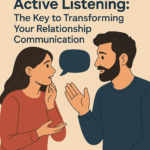
Active listening is more than just hearing words; it involves fully engaging with the speaker. Research has shown that when people feel heard, they are more likely to open up, share their feelings, and respond positively.
Case Study: The Corporate Team Retreat
At a corporate retreat, a team dealing with low morale participated in an active listening workshop. By actively engaging with each other’s concerns and ideas, they shifted their dynamics. Employees reported a 35% increase in mutual respect and collaboration, showcasing how vital active listening is for team cohesion.
Empathy: Walking in Someone Else’s Shoes
Understanding and sharing the feelings of another person is an incredible tool for building bridges. Empathy allows for deeper connections and shows that we care about others’ experiences.
Case Study: The School Counselor
A middle school counselor implemented an empathy-driven program. By teaching students to recognize and validate feelings, the school saw a 50% reduction in bullying incidents. This highlights how empathy fosters a supportive environment, creating lasting relationships among students.
Nonverbal Communication: The Power of Body Language
Interestingly, much of our communication is nonverbal. Body language, facial expressions, and tone of voice can significantly impact how our messages are received.
Case Study: The Negotiation Table
During a critical negotiation, one company used positive body language while the other displayed defensive postures. The team that focused on open gestures and eye contact ultimately secured a deal valued at $1 million more than expected, underscoring the importance of nonverbal cues in building bridges.
Clarity and Assertiveness: The Foundation of Clear Expression
Being clear and assertive in communication reduces the chance of misunderstandings. Assertiveness helps express needs and viewpoints while also respecting others’ rights.
Case Study: The Family Conflict
During a family conflict regarding planning a reunion, one member initiated a conversation using clarity and assertiveness. By outlining their desires openly and listening to others’ views, they reached a consensus that respected everyone’s needs, resulting in a harmonious family event.
Conflict Resolution: Turning Challenges into Opportunities
Rather than avoiding conflict, embracing it through effective communication can turn challenges into opportunities for growth.
Case Study: The Community Association
In a community association with disputes over a park renovation, leaders facilitated a dialogue. By focusing on shared goals and encouraging respectful disagreement, the community developed a plan that satisfied all parties, proving that conflict resolution is a crucial skill for long-term relationships.
Tools for Building Bridges
The Communication Skills Matrix
| Skill | Definition | Application |
|---|---|---|
| Active Listening | Engaging fully with the speaker | Conversations, Therapy |
| Empathy | Understanding and sharing feelings | Friendships, Customer Service |
| Nonverbal Communication | Understanding nonverbal signals | Negotiations, Teaching |
| Clarity and Assertiveness | Being clear about thoughts and feelings | Personal Relationships, Work Environment |
| Conflict Resolution | Resolving disagreements effectively | Team Projects, Family Discussions |
Strategies for Practicing Essential Skills
Role-Playing: Encourage practice through role-play scenarios that mimic real-life situations.
Feedback Loops: Foster environments where feedback is welcomed and acted upon, enhancing communication skills.
Journaling: Keeping a communication journal can help you reflect on interactions and identify areas for improvement.
Workshops and Seminars: Attend workshops that focus on soft skills to hone your abilities.
- Mindfulness and Meditation: Practicing mindfulness can improve focus and empathy in conversations.
Importance of Emotional Intelligence in Communication
Understanding one’s own emotions and those of others is vital when applying the skills of effective communication. High emotional intelligence enhances our ability to connect meaningfully.
Case Study: The Leadership Program
A corporate leadership program incorporated emotional intelligence training into its curriculum. As a result, not only did team performance improve, but retention rates increased by 20%. This highlights how emotional intelligence is intricately linked to successful communication.
Building Bridges in Different Contexts
Personal Relationships
In personal relationships, effective communication encourages vulnerability and trust. Regular check-ins and open dialogues create a culture of trust and transparency.
Professional Environments
In the workplace, effective communication can mitigate misunderstandings and foster collaboration. Clear expectations and regular feedback lead to more productive teams.
Community Engagement
In community settings, communication fosters inclusivity. Community meetings that encourage open dialogue cultivate a sense of belonging.
Actionable Insights for Building Lasting Relationships
Practice Active Listening: Engage in conversations by focusing entirely on the speaker. Avoid interrupting and ask clarifying questions.
Show Empathy Regularly: Make it a habit to acknowledge others’ feelings. This could be as simple as a reassuring statement or a supportive gesture.
Be Mindful of Nonverbal Signals: Pay attention to your body language and facial expressions. Strive to maintain an open posture.
Communicate Assertively: Learn to express your thoughts and feelings confidently and respectfully.
- Embrace Conflict as a Growth Opportunity: Rather than avoiding or escalating conflict, approach it as a chance to learn and grow together.
Conclusion
Building bridges through essential communication skills is a transformative journey that can enhance every relationship in your life—be it personal, professional, or communal. By practicing active listening, empathy, clarity, and conflict resolution, you can foster deeper connections and create lasting bonds.
As you embark on this journey, remember: every conversation is an opportunity to build bridges or erect walls. Choose wisely. Take actionable steps today to implement these essential communication skills, and you will not only strengthen your relationships but also enrich your life and the lives of those around you.
FAQs
1. What are the main barriers to effective communication?
Common barriers include distractions, emotional responses, assumptions, and different communication styles. Recognizing and addressing these barriers can improve interactions significantly.
2. How can I improve my active listening skills?
To enhance active listening, practice focusing entirely on the speaker without multitasking, summarizing what you’ve heard, and asking questions for clarification.
3. What role does body language play in communication?
Body language conveys emotions and attitudes often more powerfully than words. Open body language fosters trust, while closed body language can create barriers.
4. How can I deal with conflict in relationships?
Approach conflict with a mindset of collaboration—express your feelings, listen to the other person, and work together towards a solution.
5. Is it possible to learn these communication skills?
Yes! Like any skill, effective communication can be learned and practiced. Engaging in workshops, reading, and self-reflection can considerably improve your skills.
By embracing the principles of "Building Bridges: Essential Communication Skills for Lasting Relationships," you’ll not only enhance your own connections but contribute to a more understanding and unified society. Start today!
About the Author