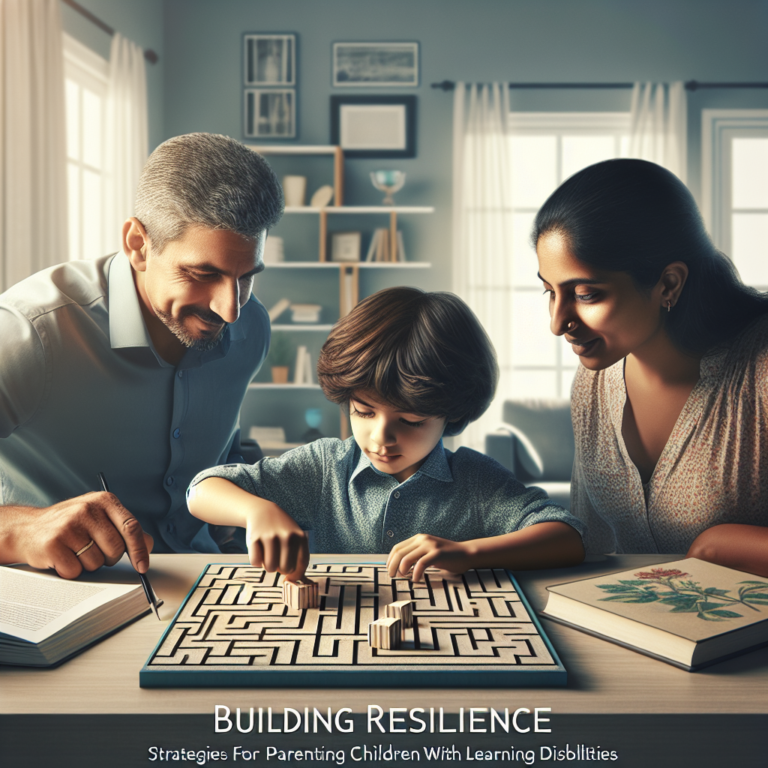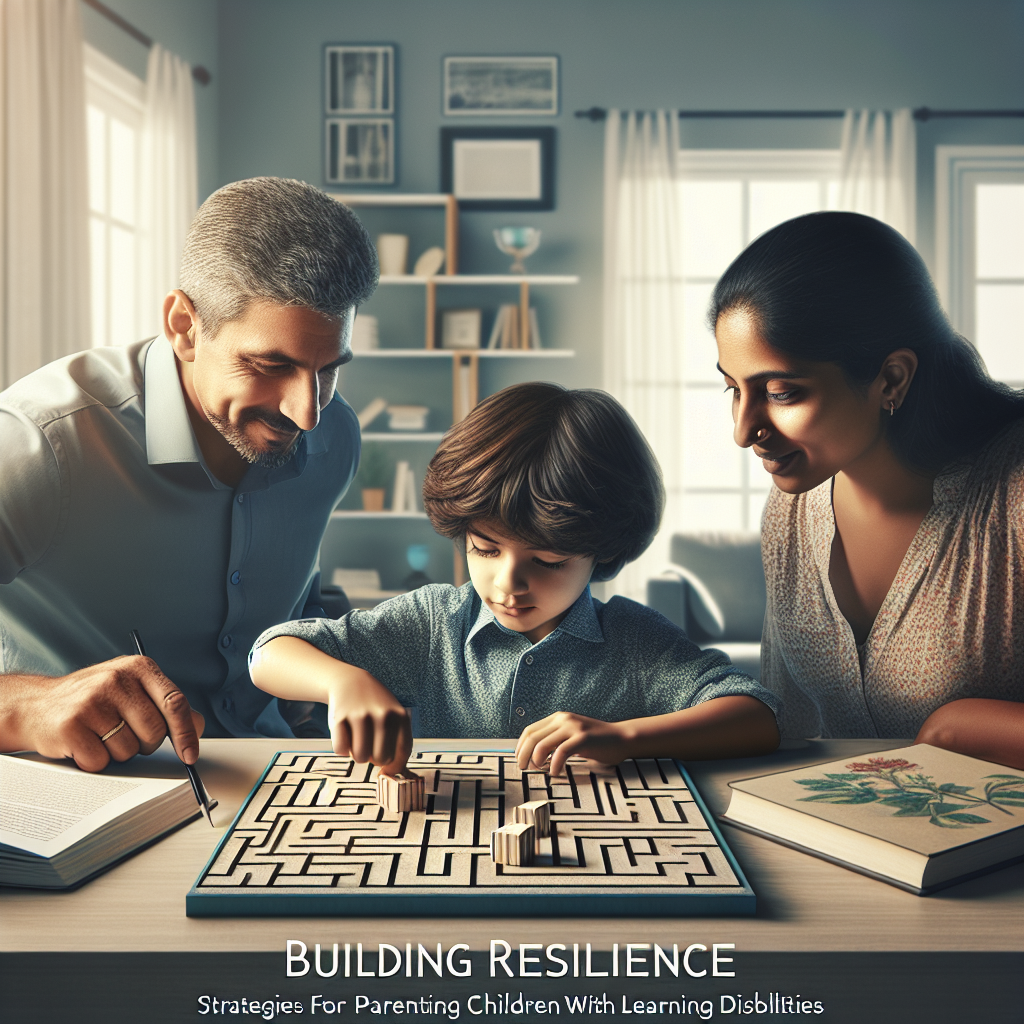
Building Resilience: Strategies for Parenting Children with Learning Disabilities
Introduction
Parenting is one of the most challenging yet rewarding experiences a person can embark on, especially when raising children with learning disabilities. Recent studies indicate that around 1 in 5 children experience learning disabilities, which can affect their self-esteem, academic performance, and social interactions. As parents, understanding how to effectively support and nurture these children can create a tangible difference in their lives.
This article will explore "Building Resilience: Strategies for Parenting Children with Learning Disabilities," equipping you with practical tools and inspiring stories. With the right mindset and strategies, you can support your child in overcoming obstacles, foster resilience, and set them on a path to success.
Understanding Learning Disabilities
What Are Learning Disabilities?
Before diving into strategies, it’s crucial to understand what learning disabilities are. These are neurologically-based processing issues that can interfere with learning basic skills such as reading, writing, or math. Some common learning disabilities include dyslexia, dysgraphia, and dyscalculia.
Case Study 1: The Journey of Alex
Alex, a 10-year-old boy diagnosed with dyslexia, struggled immensely with reading. Despite his efforts, he often felt discouraged and exhibited signs of anxiety in school. His parents, recognizing the need for a tailored approach, collaborated with teachers to implement strategies specifically designed for Alex’s learning style.
Analysis of Case Study 1
Alex’s experience illustrates the importance of early identification and collaboration. By understanding his challenges, his parents could advocate for strategies that supported his learning. Through this, Alex not only improved his reading skills, but he also built confidence and resilience.
Strategies for Building Resilience
1. Foster a Growth Mindset
Children often absorb their parent’s attitudes and beliefs. Emphasize the importance of effort over outcome. Teach your child that mistakes are part of the learning process. Celebrating small victories will help them understand that resilience comes from persistence.
2. Create a Supportive Home Environment
Make your home a nurturing space conducive to learning. This includes providing a quiet area for study, minimizing distractions, and ensuring they have access to resources, whether it’s educational software or books suited to their reading level.
3. Encourage Interests Outside of Academics
Promote activities that align with your child’s interests and strengths. Whether it’s sports, music, or art, engaging in such pursuits boosts self-esteem and provides positive experiences outside the academic realm.
Table 1: Activities for Building Self-Esteem
| Activity Type | Benefits |
|---|---|
| Sports | Teamwork, discipline |
| Arts and Crafts | Creativity, expression |
| Music | Confidence, social skills |
| Volunteer Work | Empathy, community engagement |
4. Engage with Schools
Partnering with teachers can ensure your child receives the necessary support. Regular communication about your child’s progress will help adapt teaching methods and provide insights into what works best for your child.
Case Study 2: The Triumph of Mia
Mia, an 8-year-old girl with dyscalculia, found numbers overwhelming. Her parents took an active role by liaising with her teacher to incorporate visual aids into her learning process. They also enrolled her in a math club that focused on play-based learning.
Analysis of Case Study 2
Mia’s story highlights the importance of parent-teacher collaboration and focusing on individualized strategies that cater to a child’s unique learning needs. The playful environment of the math club not only made learning fun but also built her confidence in a subject she found intimidating.
Increasing Advocacy and Independence
5. Teach Self-Advocacy Skills
Helping your child learn to express their needs and concerns is vital. Encourage them to speak up when something isn’t working and to ask for assistance when necessary. Role-playing different scenarios can make this practice engaging and impactful.
6. Set Realistic Goals
Setting achievable goals helps children understand their capabilities. Start with short-term goals that pave the way for long-term accomplishments. Celebrate these milestones to reinforce their belief in their abilities.
7. Help Them Manage Stress
Teach coping strategies such as mindfulness and deep-breathing exercises. Create a routine incorporating breaks during study times, allowing them to decompress and recharge.
Case Study 3: Jack’s Success Story
Jack, who faced challenges with organization due to ADHD, learned to manage his time using a visual calendar system. His parents worked with him to break down assignments into manageable tasks, which made his workload feel less daunting.
Analysis of Case Study 3
Jack’s journey illustrates the power of organization and strategy. By breaking down tasks and applying visual aids, he became more autonomous and reduced his anxiety related to school responsibilities.
Emphasizing Emotional Well-being
8. Build Emotional Connections
Connect with your child on an emotional level. Open dialogues about feelings, frustrations, and anxieties offer them a safe space to express themselves. Understanding that it’s okay to feel overwhelmed encourages resilience.
9. Foster Peer Relationships
Encourage your child to engage with peers through playdates or group activities. Building friendships creates a support system and aids social skills, which can significantly enhance emotional well-being.
Conclusion
Building resilience through effective strategies for parenting children with learning disabilities is crucial in empowering them for the future. By focusing on positive communication, fostering a supportive environment, and actively engaging in their educational journey, parents can significantly impact their child’s self-esteem and academic success.
When parents prioritize resilience, they create a framework for lasting confidence and independence. Remember, there will be ups and downs, but each small step forward is a victory worth celebrating.
FAQs
1. What are the most common learning disabilities?
Common learning disabilities include dyslexia (reading), dyscalculia (math), and dysgraphia (writing).
2. How can I identify if my child has a learning disability?
Signs may include difficulty in reading, writing, math, or answering questions, even when they put in significant effort.
3. What role do teachers play in supporting children with learning disabilities?
Teachers can provide tailored instruction, utilize special strategies, and work collaboratively with parents to foster a supportive learning environment.
4. How can I support my child during homework time?
Break tasks into smaller parts, create a distraction-free space, and offer positive reinforcement for completed work.
5. Where can I find additional resources for parents?
Organizations like the National Center for Learning Disabilities and local support groups often provide valuable resources and advice.
By embracing these strategies for "Building Resilience: Strategies for Parenting Children with Learning Disabilities," you empower your child to face challenges head-on and flourish in their unique ways.
About the Author