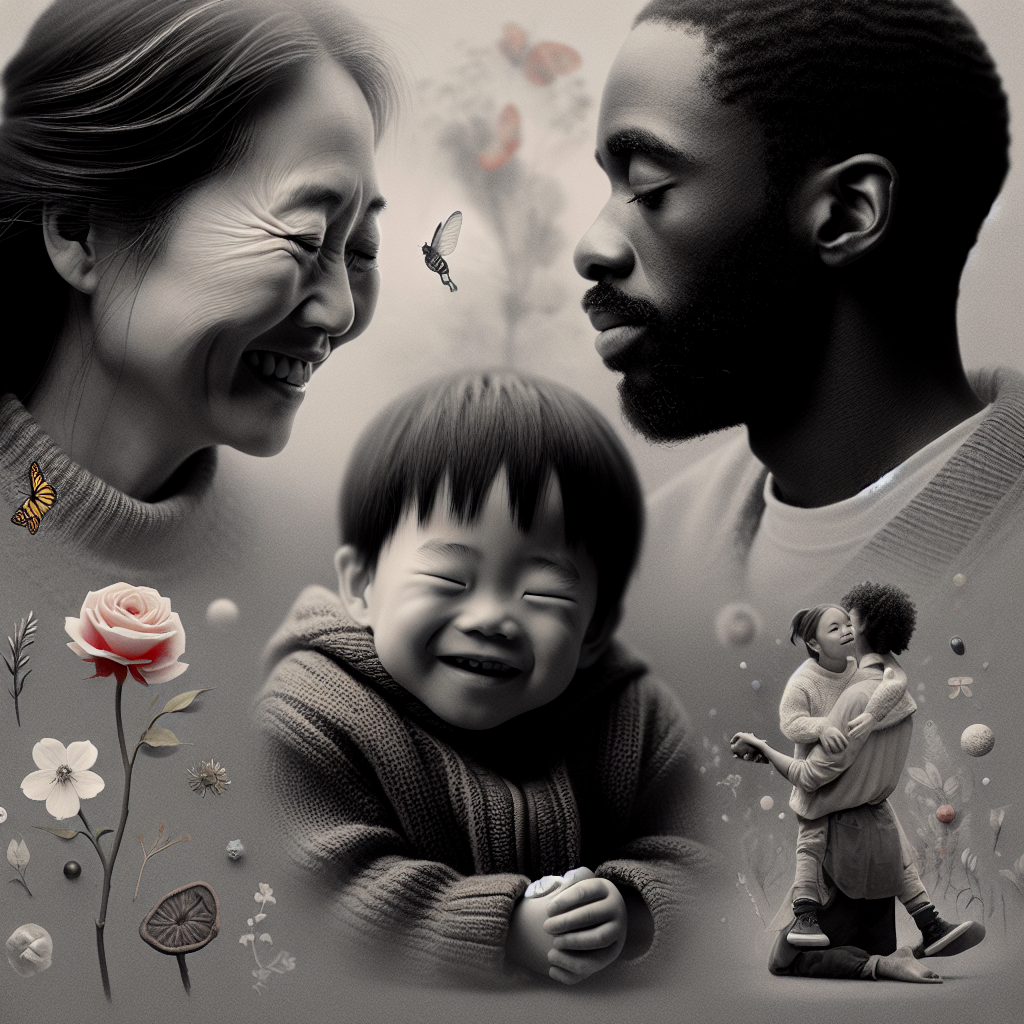
Love and Loss: The Complex Emotions Facing Parents of Children with Disabilities
Introduction
When the laughter of a child fills a room, it has the power to uplift the spirits of anyone present. Yet, for many parents of children with disabilities, the experience can often feel like a bittersweet melody—a blend of joy and sorrow, triumph and heartbreak. The topic of Love and Loss: The Complex Emotions Facing Parents of Children with Disabilities resonates deeply within families navigating these emotional waters. The emotional landscape can be overwhelming, filled with unique challenges and profound revelations. Understanding this complex interplay of feelings is essential not just for parents but for the broader community to build insight, empathy, and support.
Understanding the Emotional Landscape
The Duality of Love and Loss
Love is often described as unconditional, but when a child is born with a disability, that love morphs into something uniquely transformative. Parents find themselves in a state of love layered with grief. They experience the exhilaration of loving their child wholeheartedly while simultaneously mourning the “normal” milestones they once expected. This duality is intricate and deserving of exploration.
Case Study: The Johnson Family
Consider the Johnson family, whose son, Ethan, was diagnosed with autism spectrum disorder at the age of three. While they deeply love him, they also confront loss in various forms—loss of conventional expectations, social acceptance, and sometimes even the vision of a future that feels secure and certain.
Analysis: The Johnsons illustrate how love can coexist with mourning for a different reality. Their journey unveils the complexities and nuances of parenting a child with a disability and enriches the understanding of love that is intertwined with loss.
The Social Dimensions of Loss
Beyond personal grief, parents often face societal pressures and misconceptions about disabilities. The stigma can amplify feelings of isolation and despair, challenging their self-worth and adding layers to their emotional struggle.
Data Table: Societal Misconceptions About Disabilities
| Myth | Reality |
|---|---|
| All disabilities are visible | Many are invisible and just as impactful. |
| Children with disabilities can’t thrive | With support, they can lead fulfilling lives. |
| Parents adapt easily to disabilities | Emotional adjustments can take years. |
Support Systems: A Double-Edged Sword
While family and community support can provide warmth and encouragement, they can also come with unspoken expectations. The pressure to maintain a façade of strength can create an additional emotional burden.
Case Study: The Patel Family
The Patel family faced societal pressures that encouraged them to “stay strong” in public. However, this mask of strength often prevented them from processing their own emotions. It was only after attending a support group designed for parents of children with disabilities that they discovered the power of vulnerability, sharing their fears, and accessing genuine support.
Analysis: The story of the Patels underscores the need for honest conversations and safe spaces where parents can feel comfortable expressing their grief, fears, and joys.
Navigating Grief: The Five Stages of Love and Loss
1. Denial
In the early days following a diagnosis, denial often serves as a coping mechanism. Parents may think, “This isn’t happening to our family.” Denial can be a protective shield but can delay necessary adjustments.
2. Anger
As reality sets in, anger can surface—directed at the situation, healthcare systems, or even oneself. The Johnson family’s initial response was a fierce anger concerning the lack of support they found in educational systems.
3. Bargaining
Bargaining often emerges as a way to regain a sense of control. Parents might find themselves making silent agreements, like resolving to be “better” parents in return for a “normal” child.
4. Depression
The weight of loss can sap energy and joy. Parents might retreat, feeling an overwhelming sense of helplessness. This stage can be especially isolating as others might misunderstand their sadness.
5. Acceptance
Acceptance does not mean relinquishing hope; it signifies a new understanding and a commitment to loving their child as they are. The journey towards acceptance is ongoing, filled with its highs and lows.
Infographic: Emotional Stages of Loss
(Visualize the five stages of grief parents might navigate over time).
Finding Joy Amidst the Struggles
Celebrating Milestones
Although the path can be rocky, parents often find ways to celebrate small victories. For instance, learning a new word or mastering a motor skill can elicit joy and reinforce love.
Case Study: The Rivers Family
The Rivers family documented their journey with their daughter Mia, who has Down syndrome. They celebrated her milestone of starting kindergarten by throwing a “First Day of School” party, filled with friends and family.
Analysis: The Rivers’ experience emphasizes the significance of communal celebration in fostering a positive atmosphere—even amidst struggles.
Creating Meaningful Connections
Building networks with other families facing similar circumstances can alleviate feelings of loneliness. Establishing relationships allows parents to share resources, stories, and coping strategies.
Group Therapy Insights
Many parents find solace in group therapy sessions where shared experiences foster healing. These safe harbors can provide an essential balm on difficult days.
The Role of Counseling and Professional Support
When to Seek Help
Help should not be considered a last resort. Recognizing signs of prolonged grief—such as persistent depression or emotional exhaustion—can be crucial in seeking timely help.
Benefits of Counseling
Therapists equipped with expertise in grief and disability can provide parents with tailored strategies to cope. They help in navigating feelings of inadequacy and offer tools to foster emotional resilience.
Table: Types of Therapeutic Support Available
| Type | Description |
|---|---|
| Individual Counseling | One-on-one sessions focusing on personal emotions. |
| Group Therapy | Shared experiences with those facing similar challenges. |
| Family Counseling | Strengthening family dynamics through guided discussions. |
Leveraging Resources for a Brighter Future
Educational Resources
Informational resources such as webinars, workshops, and literature focusing on disabilities can offer parents strategies for advocacy and support.
Community Programs
Local initiatives often provide social events, educational programs, and supportive networks that can lessen feelings of isolation.
Case Study: Community Collaboration
A local NGO partnered with parents to develop training programs for teachers about inclusivity. Parents learned how to advocate effectively, turning their grief into action-oriented love.
Analysis: This initiative sheds light on how collaboration can empower parents and shift narratives surrounding disabilities.
Conclusion
Love and Loss: The Complex Emotions Facing Parents of Children with Disabilities encapsulate a journey of profound highs and lows—one where love becomes the constant driving force amid the waves of grief. While the journey may be filled with heartache, hope, and laughter can coexist.
For parents, recognizing these multifaceted emotions offers a pathway to understanding themselves and their relationships. Embracing community support, celebrating milestones, and seeking professional help when needed can lead to a more fulfilling relationship with their child and themselves.
Actionable Insights
- Reach Out: Don’t hesitate to connect with support groups.
- Celebrate Small Wins: Recognize and honor every achievement, no matter how minor it appears.
- Seek Professional Help: Normalize counseling as a proactive measure for emotional well-being.
- Educate and Advocate: Leverage educational resources to empower yourself and advocate for your child.
FAQs
1. How can I cope with feelings of guilt as a parent of a child with disabilities?
Coping with guilt involves recognizing it as a natural emotional response. Speak openly with a therapist or join a support group to discuss these feelings and develop healthy coping strategies.
2. What are effective ways to celebrate my child’s achievements?
Celebrate milestones by creating rituals or events, such as a small family gathering or a keepsake highlighting their accomplishments. Acknowledge achievements verbally in everyday conversations as well.
3. How do I find resources for my child’s specific disability?
Start by consulting your pediatrician, local community centers, and disability advocacy organizations. Online forums may also provide insights and experiences from other families facing similar challenges.
4. Can therapy help our entire family?
Yes, family therapy can enhance communication, resolve conflict, and foster understanding among family members, creating a more supportive environment.
5. What should I do if I feel isolated?
Reach out to local or online support networks. Connecting with other families ensures you don’t go through this journey alone, and they can provide insights and solidarity.
Navigating the complexities of love and loss while embracing the joy of parenting a child with disabilities is not just a challenge; it’s an opportunity for depth and profound connection. By acknowledging the duality of these emotions, parents can glean wisdom that enriches their lives, creating a tapestry of love interwoven with the knowledge of loss.
About the Author