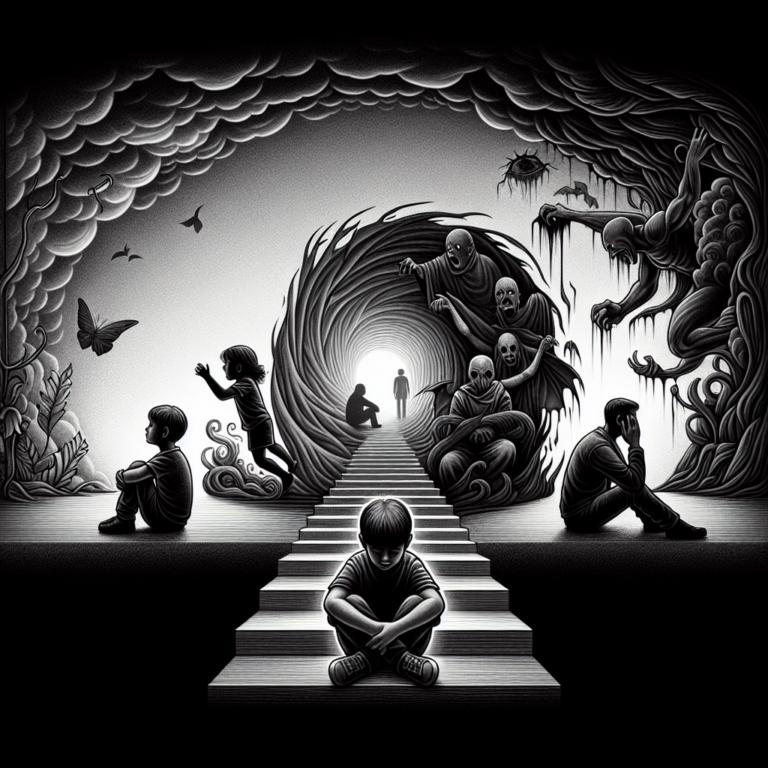
Chronic Illness and Mental Health: Breaking the Cycle of Suffering
Introduction
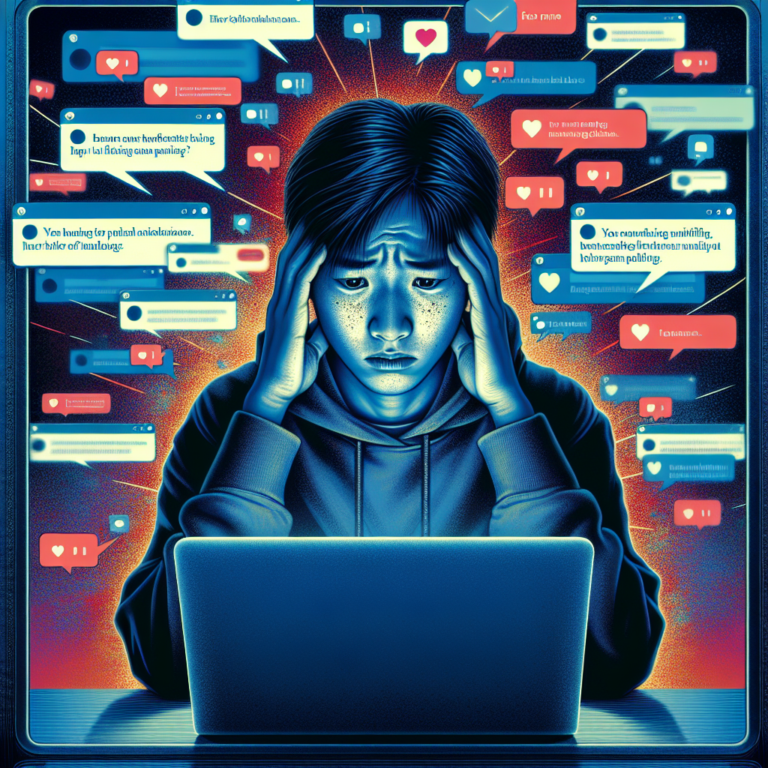
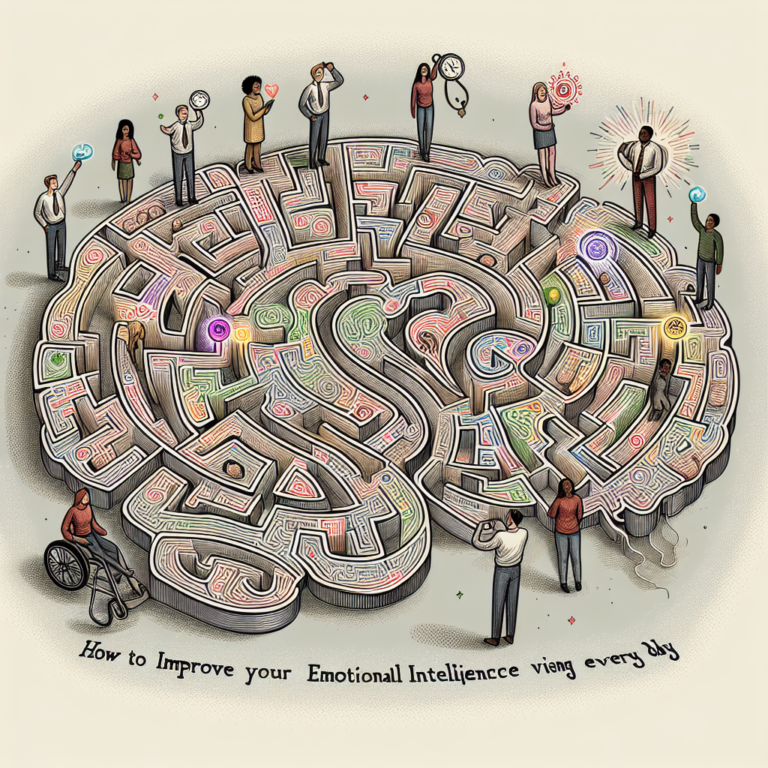
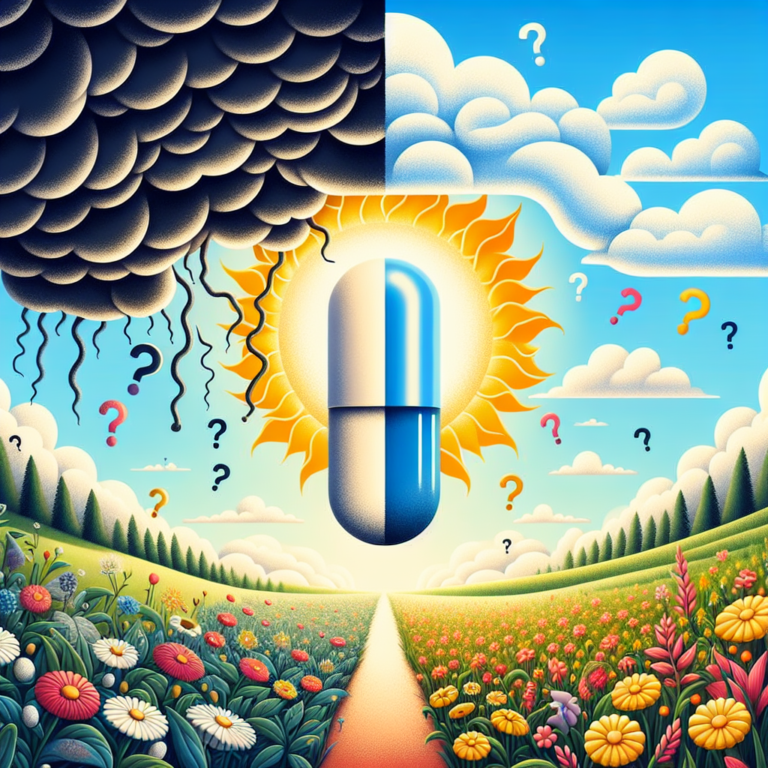
Chronic illness can feel like a relentless storm—often unpredictable, exhausting, and deeply isolating. But what happens when that storm spills over into mental health? The relationship between chronic illness and mental health is not just a clinical aspect; it’s a tapestry woven with emotional, psychological, and physical threads. The importance of understanding Chronic Illness and Mental Health: Breaking the Cycle of Suffering cannot be overstated. As we delve into this complex interplay, we’ll uncover how to break these cycles of suffering, offering paths toward healing and resilience.
Understanding the Connection
What is Chronic Illness?
Chronic illnesses, like diabetes, arthritis, or fibromyalgia, last for an extended period and often require ongoing medical attention. According to the CDC, nearly 60% of adults in the U.S. have at least one chronic illness, and 40% have two or more. The physical limitations imposed by these conditions can lead to significant lifestyle changes, making it important to address not just the symptoms of the disease but also the accompanying mental health challenges.
The Mental Health Impact
Chronic illness can drastically affect mental health. Studies have shown that individuals with chronic conditions are at a higher risk for depression, anxiety, and other mental health disorders. The common phrase, “You’re not just sick; you’re also tired of being sick,” underscores the unseen emotional toll.
Table 1: Common Mental Health Disorders Associated with Chronic Illness
| Disorder | Prevalence in Chronic Illness Patients |
|---|---|
| Depression | 20-50% |
| Anxiety | 40% |
| Post-Traumatic Stress Disorder (PTSD) | 10% |
| Substance Abuse | 15% |
The Cycle of Suffering
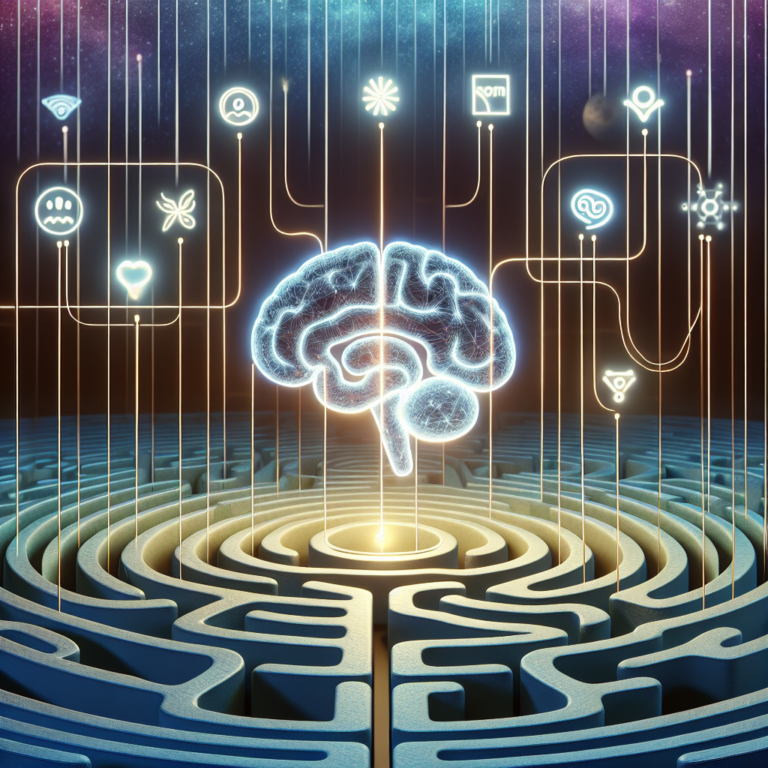
Understanding Chronic Illness and Mental Health: Breaking the Cycle of Suffering begins with recognizing how chronic illness contributes to a negative feedback loop. Chronic pain can lead to social isolation, chemical imbalances, and unhealthy coping mechanisms, all of which can exacerbate mental health struggles.
Breaking the Cycle
Case Study: Maria’s Journey with Fibromyalgia
Maria was diagnosed with fibromyalgia in her late twenties. For years, she battled chronic pain that affected her ability to work and socialize. The loneliness became unbearable. After finally seeking help, Maria participated in a cognitive behavioral therapy (CBT) program tailored for chronic illness patients. The result? Maria not only managed her pain better but also developed healthier coping strategies for her anxiety and depression.
Analysis: Maria’s case illustrates the powerful impact therapy can have on those suffering from chronic illness. It emphasizes the importance of seeking professional help and how one can learn to break free from the cycle.
Multidisciplinary Approaches to Healing
A holistic approach is critical for those navigating Chronic Illness and Mental Health: Breaking the Cycle of Suffering. This includes:
- Medical Interventions: Medication managing pain or mental health disorders.
- Medical Interventions: Medication managing pain or mental health disorders.
- Psychotherapy: Therapy options like CBT or mindfulness-based therapy can help in reframing negative thought patterns.
- Psychotherapy: Therapy options like CBT or mindfulness-based therapy can help in reframing negative thought patterns.
- Support Groups: Connecting with others in similar situations can alleviate feelings of isolation.
- Support Groups: Connecting with others in similar situations can alleviate feelings of isolation.
- Lifestyle Changes: Incorporating diet, exercise, and other wellness strategies can improve both physical and mental health.
Chart 1: Effective Strategies for Managing Chronic Illness and Mental Health
| Strategy | Description | Impact |
|---|---|---|
| Medication | Pain relief/anti-anxiety medications | Reduces physical and mental symptoms |
| Psychotherapy | Cognitive Behavioral Therapy, Mindfulness | Improves coping mechanisms |
| Support Groups | Peer support and shared experiences | Decreases feelings of isolation |
| Lifestyle Changes | Nutrition, exercise | Enhances overall well-being |
Mindfulness and Anxiety Reduction
Mindfulness practices not only help in reducing anxiety but also enhance the quality of life for those with chronic conditions. Techniques such as meditation and breathing exercises have been shown to reduce stress and improve emotional well-being.
Personal Stories: The Power of Community
Case Study: John’s Experience with Diabetes
John, a successful athlete, was diagnosed with Type 1 Diabetes at 30. Initially, he struggled with feelings of loss and grief over his “normal” life. He found solace in a community support group. Through sharing experiences, John learned to manage his condition better and, more importantly, rediscover joy.
Analysis: John’s journey illustrates that community support can transform one’s experience of living with chronic illness and improve mental health outcomes.
Harnessing Social Support
Social support plays a pivotal role in mitigating the mental health impact of chronic illness. Friends, family, and support networks can provide emotional sustenance, practical help, and a sense of belonging, which can significantly diminish feelings of isolation.
Practical Steps to Break the Cycle
- Recognize the Signs: Understanding the symptoms of both chronic illness and mental health struggles can lead to early intervention.
- Recognize the Signs: Understanding the symptoms of both chronic illness and mental health struggles can lead to early intervention.
- Seek Professional Help: Don’t hesitate to reach out for medical, psychological, or nutritional support.
- Seek Professional Help: Don’t hesitate to reach out for medical, psychological, or nutritional support.
- Build Your Network: Engage with others who understand your struggles, whether through local meet-ups or online forums.
- Build Your Network: Engage with others who understand your struggles, whether through local meet-ups or online forums.
- Educate Yourself: Knowledge is power. Understanding your condition can empower you to make informed choices about your health.
- Educate Yourself: Knowledge is power. Understanding your condition can empower you to make informed choices about your health.
- Practice Self-Care: Prioritize self-care activities that bring joy, tranquility, and fulfillment.
Conclusion
Chronic Illness and Mental Health: Breaking the Cycle of Suffering is a journey—a multifaceted path that requires understanding, support, and self-compassion. Although the storms of chronic illness can be draining and isolating, there is hope for healing and recovery.
Through educating ourselves, seeking help, and connecting with others, we can forge pathways toward resilience and breaking these cycles of suffering. Remember: healing is not linear, and that’s okay.
FAQs
1. How does chronic illness affect mental health?
Chronic illness can lead to increased stress, fatigue, and social isolation, all of which contribute to anxiety and depression.
2. What are effective coping strategies for chronic illness?
Effective strategies include therapy (like CBT), joining support groups, practicing mindfulness, and engaging in regular physical activity.
3. Can mental health problems worsen chronic illness?
Yes, mental health issues can exacerbate chronic illness by leading to poor self-care, increased disability, and heightened physical symptoms.
4. How can family support impact someone with chronic illness?
Family support can drastically improve quality of life by providing emotional sustenance, helping with daily tasks, and reducing feelings of isolation.
5. Should I seek therapy if I have a chronic illness?
Absolutely! Therapy can provide you with coping strategies, emotional support, and a space to express your feelings about living with a chronic condition.
In summary, breaking the cycle of suffering involves recognizing the connection between Chronic Illness and Mental Health, being proactive in seeking help, and fostering connections with others. And in doing so, we can cultivate resilience, healing, and ultimately, hope.
About the Author


Dr. Maria Louise, Developmental Psychology
Dr. Louise is a renowned researcher in developmental psychology, studying human growth across the lifespan. She writes about child development, adolescent behavior, and aging, exploring how these stages shape personality and behavior.