Introduction
In an increasingly complex and interconnected world, the cultivation of empathy stands as a crucial pillar for sustainable communities and societies. As we navigate challenges such as social inequality, cultural divides, and environmental crises, the question arises: how do we develop compassionate citizens who can bridge these gaps? The answer lies in the transformative power of inclusive education. By prioritizing diversity and understanding in our educational systems, we can foster a generation equipped with the tools to empathize, understand, and act compassionately.
This article explores Cultivating Empathy: The Role of Inclusive Education in Shaping Compassionate Citizens, delving into its significance, real-world applications, effective strategies, and measurable impacts on society.
The Importance of Empathy in Today’s World
Empathy is more than just a feeling; it’s an essential skill that enables individuals to connect across differences. With the rise of polarization and division in various spheres, cultivating empathy in young individuals has become paramount. Studies show that empathetic individuals are often more engaged in their communities, demonstrate better conflict resolution skills, and contribute positively to social cohesion.
Case Study: The Impact of Empathy on Community Engagement
A study conducted in a diverse urban school district revealed that students who participated in programs designed to enhance empathy through inclusive practices were significantly more likely to engage in community service projects. These students not only completed more volunteer hours than their peers but also reported a deeper understanding of socio-economic issues affecting their community.
Inclusive Education: A Definition and Its Core Principles
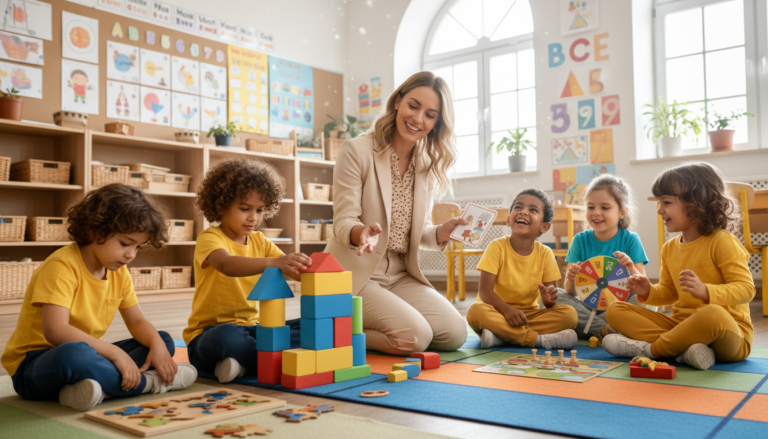
Inclusive education is an approach that ensures all students, regardless of their backgrounds or abilities, learn together. This philosophy rests on several core principles:
- Equity: Providing equal opportunities for all students.
- Access: Ensuring all learners have the necessary resources to succeed.
- Participation: Encouraging active involvement in the learning process.
- Belonging: Creating a safe and welcoming environment for all.
These principles collectively contribute to Cultivating Empathy: The Role of Inclusive Education in Shaping Compassionate Citizens by promoting understanding, respect, and collaboration.
Strategies for Cultivating Empathy Through Inclusive Education
1. Curricular Integration
Integrating empathy-building activities into the curriculum plays a vital role in inclusive education. Schools can weave empathy themes into subjects like literature, social studies, and science, encouraging students to explore diverse perspectives.
Illustrative Example: A middle school English class examines various cultures through storytelling, allowing students to step into the shoes of characters from different backgrounds. This promotes understanding and awareness of global issues.
2. Social and Emotional Learning (SEL)
Implementing SEL programs allows schools to teach students how to understand and manage their emotions. These skills are foundational for empathy.
Case Study: The Collaborative for Academic, Social, and Emotional Learning (CASEL) found significant improvements in students’ ability to empathize and resolve conflicts when they participated in SEL programs.
3. Peer-Led Activities
Peer-led initiatives encourage students to take ownership of their learning and explore empathy together. Programs that facilitate cooperative learning experiences help students of all abilities learn from one another.
Real-world Application: A high school implemented a "Buddy System" where older students mentor younger peers, fostering relationships and enhancing the sense of community.
4. Community Involvement
Engaging students with their communities reinforces the importance of empathy. Service learning projects can serve as practical experiences that allow learners to interact with diverse groups.
Example: A local high school partnered with a community center to work on environmental clean-up efforts, enabling students to learn about teamwork while connecting with community members from various backgrounds.
The Role of Educators in Fostering Empathy
Teachers play a pivotal role in shaping compassionate citizens. Their understanding of each student’s unique experiences and challenges lays the groundwork for inclusive classrooms.
Building Relationships
Creating strong, trusting relationships with students encourages them to express their thoughts and feelings openly. Effective teachers often integrate practices like active listening, validation of emotions, and support for personal stories to cultivate empathy.
Professional Development
Investing in ongoing professional development for educators ensures they are equipped with the tools to address diversity effectively. Workshops focusing on cultural competencies and anti-bias education are instrumental in fostering inclusive environments.
Case Study: Training Teachers for Inclusive Practices
A district in California transformed its education practices by providing extensive training on inclusive teaching strategies to its staff. Results showed a 40% increase in student engagement and empathy scores, demonstrating the direct link between well-trained educators and empathetic student behavior.
Measuring the Impact of Empathy Through Inclusive Education
Tools for Assessment
To gauge the effectiveness of empathy-building initiatives, schools can implement various assessment tools, such as:
- Surveys: Self-reported measures assessing students’ compassion, understanding, and engagement.
- Behavioral Observations: Teachers can assess interaction styles and cooperative behavior in peer activities.
- Academic Performance: Studies indicate a strong correlation between empathy levels and academic success, making this a useful metric.
Data Visualization
| Assessment Tool | Purpose | Frequency |
|---|---|---|
| Surveys | Measure self-reported empathy | Quarterly |
| Behavioral Observations | Assess peer interactions | Weekly |
| Academic Performance | Gauge overall success and engagement | End of semester |
Challenges in Implementing Inclusive Education
Despite the undeniable benefits of inclusive education in Cultivating Empathy: The Role of Inclusive Education in Shaping Compassionate Citizens, challenges remain prevalent:
1. Systemic Barriers
Many educational systems struggle with policies that prioritize standardization over inclusivity, limiting the scope of innovative, empathetic teaching.
2. Resistance to Change
Stakeholders, including teachers, parents, and policymakers, may resist incorporating inclusive practices due to a lack of awareness or understanding of their benefits.
Conclusion
Cultivating empathy through inclusive education is not merely an idealistic pursuit but a fundamental necessity in today’s world. By fostering environments where every student feels valued and understood, we take a critical step toward shaping compassionate citizens. This effort requires collaboration among educators, policymakers, and communities to not only prioritize empathy but to actively implement inclusive practices in education.
As we inspire the next generation, we must remember that every small initiative can create ripples of change, leading to a more empathetic and united future.
FAQs
1. What is inclusive education?
Inclusive education is an approach ensuring that all students, regardless of their abilities or backgrounds, learn together in a supportive and welcoming environment.
2. How does empathy contribute to community engagement?
Empathy fosters understanding and compassion, encouraging individuals to connect with their community, become more involved in civic activities, and contribute positively to society.
3. What are some effective strategies for teaching empathy in schools?
Strategies include curriculum integration, social and emotional learning (SEL), peer-led activities, and community involvement.
4. How can we measure the impact of inclusive education on empathy?
Impact can be measured through surveys, behavioral observations, and academic performance assessments.
5. What challenges exist in implementing inclusive education?
Barriers include systemic policies favoring standardization, resistance to change from various stakeholders, and a lack of training in inclusive practices.
This comprehensive exploration of Cultivating Empathy: The Role of Inclusive Education in Shaping Compassionate Citizens aims to empower readers with the knowledge and tools necessary to foster empathy and inclusivity in education. Through strategic implementation and collective action, we can pave the way for a more compassionate future.
About the Author


The PsyForU Editorial Collective is the research and editorial team of PsyForU Research International. The collective prepares educational, psychological, mental-health-awareness, inclusion, neurodiversity, and research-methodology content for students, parents, educators, researchers, and general readers. PsyForU content is intended for awareness, education, and capacity-building and should not be treated as clinical diagnosis, therapy, medical advice, legal advice, or emergency mental-health support.