Differentiation in Action: The Ultimate Guide to Modifying Activities for Diverse Learning Needs
Introduction
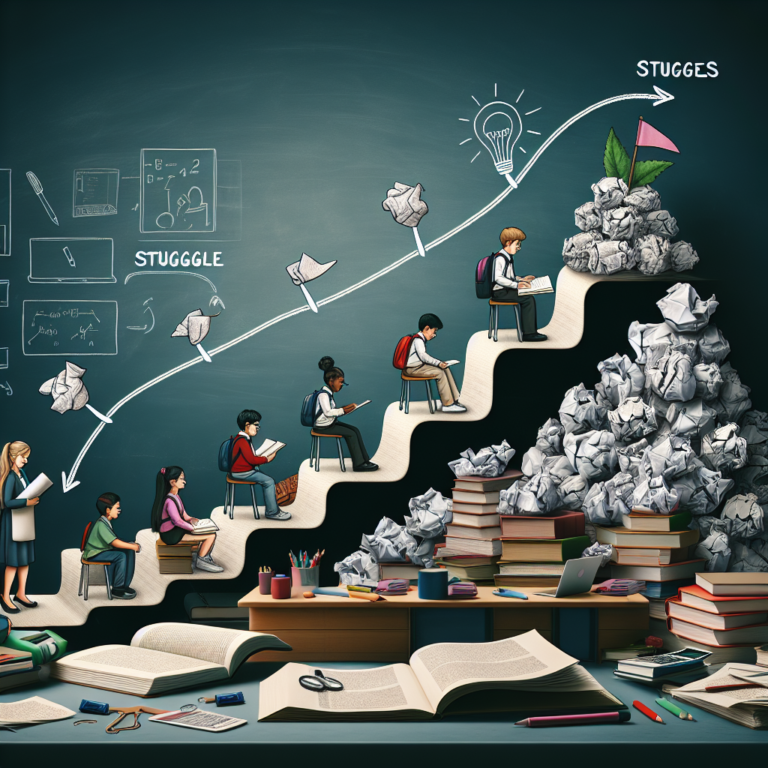
In an age where education is no longer a one-size-fits-all model, the concept of differentiation has emerged as a cornerstone of effective teaching. Imagine walking into a classroom where every student thrives, buoyed by tailored learning experiences that cater to their unique abilities and interests. This is not just a dream; it’s a reality made possible through the practice of differentiation in action: how to modify activities for diverse learning needs.
As classrooms grow increasingly diverse, the challenge of meeting varied learning needs can feel daunting. Yet, the rewards of embracing these differences are profound. Teachers who engage in differentiation not only enhance academic performance but foster an environment of inclusion, respect, and enthusiasm for learning. Let’s delve into the fascinating world of differentiation, exploring actionable strategies and insights that can transform your teaching practice.
Understanding Differentiation
What is Differentiation?
At its core, differentiation is about tailoring instruction to meet the varied needs of students. This involves adjusting the content, process, and products of learning activities based on students’ individual needs, interests, and readiness levels. Differentiation in action: how to modify activities for diverse learning needs is about recognizing that each student has a unique learning profile and embracing that diversity to promote better educational outcomes.
Key Components of Differentiation
Content: This refers to what students learn. For instance, advanced learners might tackle more complex texts, while struggling readers work with simpler material.
Process: How students engage with the material can vary. Some might participate in group discussions, while others might benefit from individual projects or guided practice.
- Product: The way students demonstrate their understanding can also be differentiated. This could include the choice between a written report, a presentation, or a creative project.
The Importance of Differentiation
Differentiation is crucial for addressing the varying abilities and interests within any classroom. By implementing differentiation in action: how to modify activities for diverse learning needs, educators can create a learning atmosphere that respects each learner’s capabilities and encourages personal growth.
Benefits of Differentiation
- Improved Engagement: Students are more likely to invest in their learning when it resonates with their interests and skills.
- Higher Achievement: Tailored learning experiences can lead to increased academic success and mastery of concepts.
- Enhanced Self-Esteem: When students can progress at their own pace, they can experience success and build confidence.
Case Studies in Differentiation
Case Study 1: The Mixed-Ability Math Class
In a middle school math class, Mrs. Johnson faced the challenge of teaching students with varying levels of ability, from those who struggled with basic operations to advanced learners who tackled algebraic concepts. By implementing differentiation in action: how to modify activities for diverse learning needs, she introduced three tiers of math problems:
- Tier 1: Basic operations and word problems for struggling learners.
- Tier 2: Multi-step problems for on-level learners.
- Tier 3: Complex, real-world problems for advanced students.
Analysis
Mrs. Johnson’s structured approach allowed all students to work within their zone of proximal development. As a result, engagement levels soared, and students collaborated in mixed-ability groups, enhancing peer-to-peer learning.
Case Study 2: The Literature Circle
Mr. Brown employed literature circles in his high school English class. To address the diverse learning needs of his students, he allowed each group to select different novels based on their reading levels and interests. Each group’s activities included generating discussion questions, conducting character analyses, and creative projects, such as visual art representations or performance pieces.
Analysis
By letting students choose their texts, Mr. Brown captured their interest and motivated them to participate actively. This differentiation in action encouraged ownership of learning, resulting in richer, more engaging discussions.
Implementing Differentiation in Your Classroom
Strategies for Differentiation
Learning Profiles: Create profiles for students that outline their strengths, interests, and areas for growth. This can guide your planning.
Flexible Grouping: Use a variety of grouping strategies—whole class, small groups, pairs, or individual work—to promote collaboration and support differing learning styles.
Choice Boards: Provide students with options for how they can complete assignments or projects. This empowers them to take ownership of their learning.
Tiered Assignments: Design tasks that vary in complexity, ensuring all students can engage with the material at their level.
- Ongoing Assessment: Use formative assessments to gauge student understanding continuously. This data will inform your modifications and help tailor instruction.
Tools for Differentiation
Utilizing technology can enhance differentiation efforts in the classroom. Consider integrating these tools:
- Google Classroom: Facilitate differentiated assignments and provide a platform for students to collaborate.
- Edmodo or Seesaw: Allow students to reflect on their learning and share their insights.
- Kahoot or Quizlet: Create interactive quizzes that cater to differing ability levels.
| Tool | Purpose | Benefits |
|---|---|---|
| Google Classroom | Assignment management | Streamlined organization |
| Edmodo | Student reflections | Encourages metacognition |
| Kahoot | Engaging quizzes | Interactive learning |
Challenges in Differentiation and Solutions
Overcoming Common Barriers
Differentiation in action: how to modify activities for diverse learning needs can be marred by various challenges. Here are some common barriers and potential solutions:
Lack of Resources: Teachers may feel constrained by a lack of materials. However, online resources, community partnerships, and creative repurposing of existing materials can alleviate this issue.
Time Constraints: Planning differentiated activities can be time-consuming. Collaborating with colleagues, utilizing existing resources, and starting small can make this process more manageable.
- Misunderstanding of Differentiation: Some may view differentiation as lowering standards. It’s essential to communicate that differentiation is about raising achievement for all learners, creating challenges specifically designed for each student’s growth.
Conclusion
Incorporating differentiation in action: how to modify activities for diverse learning needs is not merely an educational strategy—it’s a commitment to fostering an inclusive and thriving classroom environment. By recognizing and nurturing the individual complexities of each learner, educators can unlock their potential and foster a love for learning.
By implementing the strategies discussed, you can transform your classroom into a vibrant learning community where every student feels valued, engaged, and ready to succeed. Remember, the aim is not perfection, but growth—both for you as an educator and for your students. Embrace the journey of differentiation, and be prepared to witness the transformation in your students and the overall classroom atmosphere.
FAQs
1. What is the meaning of differentiation in education?
Differentiation in education refers to tailoring instruction to meet the individual needs of each student, which can include varying content, processes, and products based on their readiness levels, interests, and classroom dynamics.
2. How can I assess my students’ diverse needs?
Conduct informal and formal assessments, such as quizzes, observations, and student reflections. Use this data to develop learning profiles for your students that help you inform your instruction and planning.
3. Can differentiation work in larger classrooms?
Yes! Differentiation can be implemented effectively in larger classrooms through strategies such as group work, tiered assignments, and using technology to facilitate individualized learning paths.
4. What are tiered assignments?
Tiered assignments are tasks that are designed at varying levels of difficulty. Each tier offers an appropriate challenge based on the student’s readiness and allows them to engage with the content at their own level.
5. How do I engage parents in the differentiation process?
Keep an open line of communication with parents, explaining how differentiation supports their child’s learning. You might also involve them by providing resources and strategies for at-home activities.
6. Is differentiation the same as individualization?
While related, differentiation and individualization are not the same. Differentiation involves adapting instruction for varying groups within the classroom, whereas individualization tailors instruction to meet the needs of individual students more specifically.
Utilizing differentiation in action: how to modify activities for diverse learning needs not only enriches the classroom experience but also empowers every learner to reach their full potential. Embrace the journey of becoming an adaptable and innovative educator, and cultivate an environment where every student flourishes.
About the Author