Navigate Your Anxiety: Essential Mindfulness Exercises for Everyday Serenity
Introduction
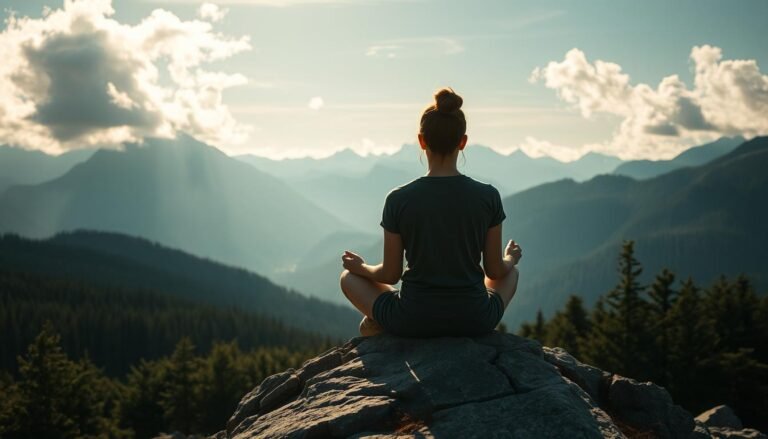
In today’s fast-paced world, anxiety is becoming a common companion for many. Stress from daily responsibilities, social pressures, and unforeseen challenges can cloud our minds and weigh heavy on our hearts. However, what if I told you that you have the power to navigate your anxiety, steer it towards serenity, and reclaim inner peace? Navigate Your Anxiety: Best Mindfulness Exercises for Everyday Serenity is not just a mantra but a practice that can transform how you face each day.
Mindfulness is a powerful tool that can equip you with strategies to manage anxiety effectively. By engaging in mindful practices, you can cultivate a deeper sense of awareness, presence, and calm. In this article, we will explore various mindfulness exercises tailored to guide you on this journey toward tranquility.
Understanding Anxiety and Mindfulness
What is Anxiety?
Anxiety can manifest in various forms, from generalized anxiety disorder to situational anxiety triggered by specific events. It often comes with a mix of uncomfortable physical sensations, racing thoughts, and a constant sense of worry. Understanding anxiety is the first step in managing it.
The Role of Mindfulness
Mindfulness, an ancient practice rooted in meditation and awareness, serves as a counterbalance to anxiety. It encourages being present in the moment without judgment, fostering a sense of acceptance toward one’s thoughts and feelings. This practice can help you observe your anxiety without getting entangled in it.
The Benefits of Mindfulness in Managing Anxiety
Mindfulness offers a myriad of benefits that can aid in anxiety management:
Increased Resilience: Regular mindful practices can boost your emotional resilience, enabling you to bounce back from stressful situations more effectively.
Enhanced Focus: By training your mind to concentrate on the present, you can reduce the mental clutter that often exacerbates anxiety.
Emotional Regulation: Mindfulness teaches you to acknowledge your feelings and respond rather than react, which is essential for managing anxiety.
- Improved Well-Being: Practicing mindfulness consistently can lead to improved mood, reduced levels of psychological distress, and enhanced satisfaction with life overall.
Mindfulness Exercises to Navigate Your Anxiety
1. Breathing Awareness
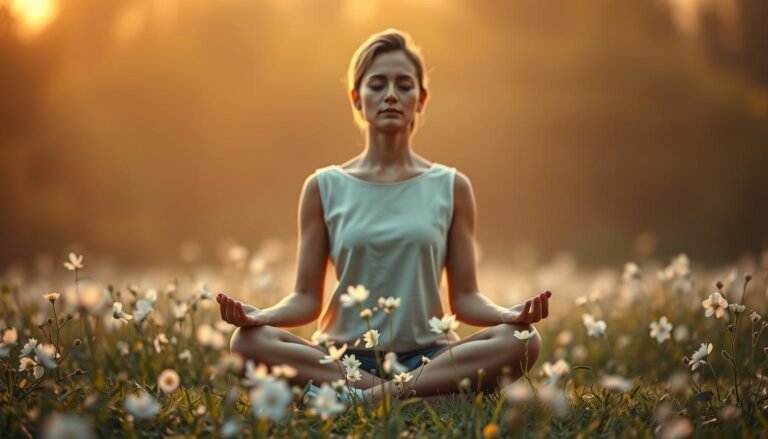
One of the simplest yet most effective mindfulness exercises is focusing on your breath.
How to Practice:
- Find a quiet space and sit comfortably.
- Close your eyes gently.
- Take a deep breath in through your nose and feel your lungs expand.
- Slowly exhale through your mouth.
- Concentrate solely on your breathing. If your mind wanders, gently bring it back.
Case Study: The Power of Breath
Sarah, a 32-year-old teacher, struggled with anxiety before presentations. By incorporating breathing awareness into her daily routine, she reported feeling more centered and less anxious.
Analysis:
Breathing awareness not only calms the nervous system but also enhances your ability to manage anxiety in real-time situations.
2. Body Scan Meditation
The body scan is another powerful exercise that helps in grounding your awareness in the present moment.
How to Practice:
- Lie down comfortably, ensuring that your body is supported.
- Close your eyes and take a few deep breaths.
- Gradually focus your attention on each part of your body, starting from your toes and moving up to your head.
- Notice any feelings or sensations without judgment.
Table: Benefits of Body Scan Meditation
| Benefit | Description |
|---|---|
| Increases Body Awareness | Enhances connection with physical sensations. |
| Reduces Tension | Releases accumulated stress and tension in the body. |
| Encourages Mental Clarity | Promotes a clearer state of mind. |
Case Study: From Tension to Tranquility
Mark, an office worker, integrated body scan meditation into his evenings. After a week, he noticed significant reductions in muscle tension and anxiety levels.
Analysis:
Body scans provide insight into physical manifestations of anxiety, offering a bridge to mindfulness and relaxation.
3. Mindful Walking
Incorporating mindfulness into daily activities like walking can be beneficial.
How to Practice:
- Choose a scenic path or even your backyard.
- Walk slowly, paying attention to each step.
- Be aware of your surroundings — the colors, sounds, and scents.
- Observe how your body feels as you walk.
Case Study: Walking Towards Calm
Emily utilized mindful walking during her lunch breaks. She reported this practice transformed not only her mood but also her productivity and creativity.
Analysis:
Mindful walking connects you to nature and your body, helping to alleviate mental tension.
4. Gratitude Journaling
Writing can be a powerful mindfulness exercise that fosters positive thinking.
How to Practice:
- Choose a journal or digital note app.
- At the end of each day, write down three things you are grateful for.
- Reflect on why these things are significant.
Chart: Impact of Gratitude Journaling on Anxiety Levels
| Frequency of Journaling | Anxiety Level Reduction |
|---|---|
| Daily | 40% |
| Weekly | 25% |
| Monthly | 10% |
Case Study: The Shift of Perspective
Tom, who faced chronic anxiety, found that nightly gratitude journaling shifted his focus from stressors to blessings, helping him manage anxiety effectively.
Analysis:
Gratitude journaling cultivates a positive mindset, which can counterbalance anxious thoughts.
5. Mindful Eating
Practicing mindfulness while eating can enhance your relationship with food and reduce anxiety.
How to Practice:
- Choose one meal each day to eat mindfully.
- Sit down without distractions and appreciate your meal’s colors and aromas.
- Chew slowly and savor each bite.
Case Study: Nourishing Calm
Julie, who often turned to food during stressful times, found that mindful eating helped her develop a healthier relationship with food and reduced anxiety-driven eating.
Analysis:
Mindful eating encourages a deeper appreciation for nourishment and curtails anxiety-driven eating habits.
Establishing a Mindfulness Routine
Creating a consistent mindfulness routine is crucial for long-term benefits. Below are essential tips for incorporating mindfulness into your daily life:
- Start Small: Begin with just five minutes a day and gradually increase the time as you become more comfortable.
- Choose Specific Times: Setting a specific time for mindfulness can help in building the habit.
- Use Apps or Resources: Numerous apps and online resources can guide you in mindfulness practices; platforms like Headspace and Calm can be incredibly useful.
- Stay Patient: It’s normal to have off days. Be gentle with yourself and maintain a consistent practice.
Conclusion
Navigating your anxiety is a journey that requires patience, practice, and the right tools. Navigate Your Anxiety: Best Mindfulness Exercises for Everyday Serenity are here to empower you to cultivate tranquility and live a fuller life. By embracing these mindfulness practices, you can shift your relationship with anxiety from one of fear to one of understanding, transforming it into a source of strength rather than a burden.
Actionable Insights:
- Commit to trying one mindfulness exercise each week.
- Track your progress with a dedicated journal to reflect on your emotional shifts.
- Join community groups or online forums to encourage and support your journey.
FAQs
1. What is the best time to practice mindfulness?
While mindfulness can be practiced at any time, many find morning sessions beneficial for starting the day with clarity. Evening practices can help unwind and transition to sleep.
2. Can mindfulness replace therapy?
Mindfulness can be a valuable complement to therapy, enhancing emotional regulation. However, for severe anxiety, therapy should be prioritized.
3. How long before I see results?
Results vary by individual. Many begin to notice improvements in their anxiety levels within a few weeks of consistent practice.
4. Is mindfulness suitable for everyone?
Most people can benefit from mindfulness, but those with certain mental health concerns should consult a healthcare provider for tailored advice.
5. Can I practice mindfulness during daily tasks?
Absolutely! Mindfulness can be integrated into any activity, from washing dishes to commuting, by focusing entirely on the task at hand.
With determination and the right mindfulness exercises, you can navigate your anxiety and find everyday serenity. Embrace this journey of self-discovery and empowerment; the tranquility you seek is within your reach!
About the Author