What role do mental health professionals play in the justice system? The answer is a forensic psychologist. They look at the mental and emotional state of people in legal cases.
These experts work with lawyers to give important insights. They help decide what happens in court. Forensic psychology services are key to understanding the minds of those in legal trouble.
An expert forensic psychologist combines psychology and law. Their work is vital in courts and private practices. They help make sure justice is fair by understanding the psychological factors.
Key Takeaways
- Forensic psychologists play a key role in legal cases by assessing mental issues.
- They work with lawyers to give insights that help make court decisions.
- Their knowledge is essential for understanding the mental state of legal participants.
- Forensic psychology services are important in courts and private practices.
- An expert forensic psychologist combines psychology and law, bringing unique insights to the justice system.
What is Forensic Psychology?
Forensic psychology is where psychology meets law. It’s a field that’s growing more important in our legal system. It involves using psychology to help the law, including assessing, treating, and consulting.
Definition and Overview
Forensic psychology uses psychology to help the law. It deals with people in the legal system, like defendants and victims. Forensic psychologists give expert opinions, do risk checks, and suggest treatments.
They need to know a lot about psychology and law.
Forensic psychology services are wide-ranging. They include:
- Doing psychological tests to see if someone can go to trial
- Being an expert witness in court
- Creating plans for treating offenders
- Helping with jury selection and trial plans
Key Concepts in Forensic Psychology
Forensic psychology has key ideas. It’s about understanding why people might commit crimes and how to assess mental health in legal settings. It also involves using psychology to help make legal decisions.
Forensic psychologists must also think about ethics. This includes keeping secrets and not having conflicts of interest.
Some important areas in forensic psychology are:
- Checking and managing risks
- Figuring out if someone can go to trial
- Doing psychological tests
- Coming up with treatment plans
Forensic psychologists are key in the legal world. They help make legal decisions and ensure justice. To be a forensic psychologist, you need advanced degrees and training in both psychology and law.
The Duties of a Forensic Psychologist
Forensic psychologists are experts in both psychology and law. They do many important tasks for legal cases. Their work helps the legal system understand complex psychological issues.
Assessment in Legal Cases
Forensic psychologists do assessments to check if someone can stand trial. They also look at a defendant’s mental state and the chance of them committing a crime again. These assessments help make legal decisions and ensure justice.
They do different kinds of assessments, like:
- Competency evaluations to see if someone is mentally fit for trial
- Mental state evaluations at the time of the crime
- Risk assessments to guess if someone will commit a crime again
| Type of Assessment | Purpose | Legal Implication |
|---|---|---|
| Competency Evaluation | Determine if a defendant is mentally fit to stand trial | Ensures a fair trial by assessing the defendant’s ability to understand the proceedings |
| Mental State Evaluation | Assess the defendant’s mental state at the time of the offense | Can influence the verdict by determining if the defendant was criminally responsible |
| Risk Assessment | Predict the likelihood of future criminal behavior | Informs sentencing decisions and parole considerations |
Consulting for Legal Professionals
Forensic psychologists also give advice to legal professionals. They help lawyers understand the psychological side of a case. They also advise on picking a jury and give insights into defendant or victim behavior.
Testifying as Expert Witnesses
Forensic psychologists play a big role as expert witnesses in court. They give objective, evidence-based testimony. This helps judges and juries understand complex psychological issues.
In summary, the duties of a forensic psychologist are very important for justice. They do assessments, give advice, and testify. Their insights are key for legal professionals to make good decisions.
Educational Pathway to Becoming a Forensic Psychologist
Becoming a forensic psychologist requires a lot of hard work and study. These experts help the legal system by using their knowledge of psychology. They understand how psychological principles work in legal settings.
Required Degrees and Certifications
To start, you need a doctoral degree in psychology, like a Ph.D. or Psy.D. You also need training in forensic psychology. This training helps you understand the legal system better. Certification from the American Board of Professional Psychology (ABPP) in Forensic Psychology is seen as a mark of excellence.
“Forensic psychology combines psychology and law,” says Dr. Jane Smith, a well-known forensic psychologist. “The education prepares you for the tough tasks in legal settings.”
Relevant Coursework and Training
Students learn about assessing, diagnosing, and treating mental disorders. They also study research methods and statistics. Courses specific to forensic psychology are key, like forensic assessment, legal issues, and correctional psychology.
Getting practical experience through internships is very important. It lets you apply what you’ve learned in real cases.
- Assessment and diagnosis of mental disorders
- Research methods and statistical analysis
- Forensic assessment techniques
- Legal issues and ethics in psychology
- Correctional psychology and treatment programs
By mixing academic study with practical training, you can become a skilled forensic psychologist. The field keeps changing, so it’s important to keep learning and growing.
Skills Essential for Forensic Psychologists
To be a top forensic psychologist, you need critical thinking, good communication, and a deep understanding of psychology. They work where psychology and law meet. This requires a mix of knowledge and skills.
Critical Thinking and Analysis
Forensic psychologist qualifications focus on critical thinking. They must look at complex data, check the accuracy of psychological tests, and make smart conclusions. This skill is key for evaluating evidence and giving expert opinions in court.
For example, when checking if a defendant can stand trial, a forensic psychologist must carefully review psychological tests. They must also think about legal standards for competency. Then, they decide if the defendant can take part in the legal process.
Communication and Interpersonal Skills
Good communication is vital for expert forensic psychologists. They need to explain complex psychology to legal experts, jurors, and others who might not understand psychology. They must be clear and able to listen and understand others.
For instance, when they testify in court, they must explain their findings simply. They should avoid using terms that might confuse people who don’t know psychology.
Understanding Behavior and Mental Health
Forensic psychologists need to know a lot about human behavior and mental health. They should understand different mental health issues, their signs, and how they affect behavior and choices.

The table below shows the main skills needed for forensic psychologists and why they’re important:
| Skill | Description | Relevance |
|---|---|---|
| Critical Thinking | Analyzing data, evaluating evidence | Assessments, Expert Testimony |
| Communication | Conveying complex concepts, listening | Court Testimony, Consulting |
| Understanding of Behavior and Mental Health | Knowledge of mental health disorders, their impact on behavior | Assessments, Treatment Recommendations |
In summary, being a forensic psychologist is a complex job. It needs a lot of skills, like critical thinking, good communication, and a deep understanding of human behavior and mental health. These skills help them play a key role in the legal system.
The Role of Forensic Psychologists in Criminal Cases
Forensic psychologists are key in the criminal justice system. They check if defendants can understand their trial. This helps make sure justice is done.
Evaluating Competency to Stand Trial
Forensic psychologists check if defendants can handle their trial. They look at if the defendant can grasp the legal process and help with their defense. Competency evaluations are vital to ensure defendants can take part in their trial.
To do this, they use special tools and talk to the defendant. They look at if the defendant can understand the charges and work with their lawyer. They also check if the defendant can make smart decisions about their case.
“The competency evaluation is a cornerstone of the criminal justice process, ensuring that defendants are not unfairly disadvantaged by mental illness or cognitive impairment.”
Risk Assessments and Sentencing Recommendations
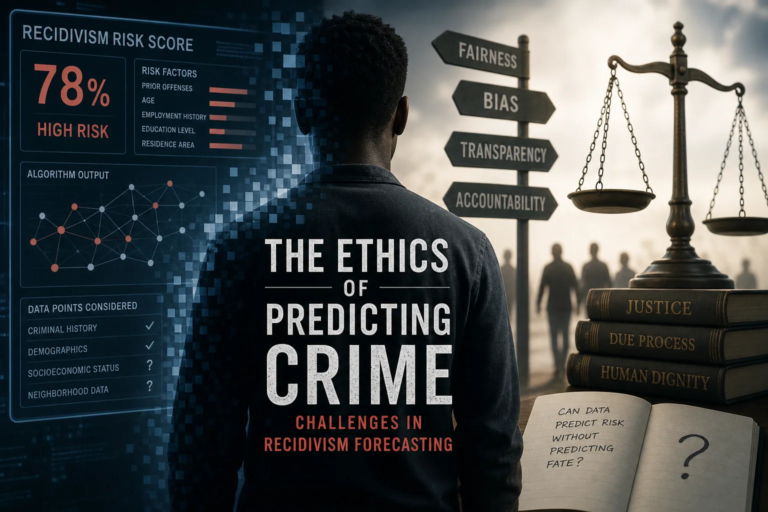
Forensic psychologists also predict if a defendant might commit crimes again. This helps judges decide the right sentence. It balances punishment with keeping the public safe.
They look at many things, like the defendant’s past crimes and mental health. They use tools like the Historical, Clinical, Risk Management-20 (HCR-20) to help make these predictions.
| Risk Factor | Description | Relevance to Risk Assessment |
|---|---|---|
| History of Violence | Past instances of violent behavior | Indicates future violence risk |
| Mental Health Status | Presence of mental health disorders | Impacts future offending risk |
| Social and Environmental Circumstances | Support systems, living conditions | Effects stability and risk |
Forensic psychologists do a lot in criminal cases. They check if defendants can stand trial and predict future crimes. Their work is key to a fair and effective justice system.
How Forensic Psychologists Assist in Civil Cases
Forensic psychologists are key in civil cases, like custody battles and personal injury claims. They help courts make smart choices that affect people’s lives.
Custody Evaluations
In custody disputes, forensic psychologists do deep assessments. They talk to parents, watch how parents and kids interact, and check everyone’s mental health.
Their goal is to give the court a full picture of the family. This helps judges decide what’s best for the child. They look at things like each parent’s ability to care for the child, the parent-child relationship, and any past abuse.
| Factors Considered in Custody Evaluations | Description | Importance |
|---|---|---|
| Parental Ability | Assessment of each parent’s capability to provide a stable and nurturing environment. | High |
| Parent-Child Relationship | Evaluation of the quality of the relationship between each parent and the child. | High |
| History of Abuse or Neglect | Investigation into any past instances of abuse or neglect by either parent. | Critical |
Assessments in Personal Injury Cases
Forensic psychologists also help in personal injury cases. They look at how injuries affect people’s minds. This helps figure out damages and compensation.
They use interviews, tests, and medical records to understand the injury’s impact. They aim to see how the injury affects daily life and if more help is needed.
Forensic psychologists give expert opinions in personal injury cases. This can change the outcome, making sure people get fair compensation for their pain.
Looking for forensic psychology services? It’s important to find experts with the right skills. They help in custody battles and personal injury cases by giving unbiased opinions to the court.
Ethical Considerations in Forensic Psychology
Forensic psychology deals with tough ethical issues. It involves keeping secrets, respecting privacy, and finding a balance between justice and what’s best for clients. Psychologists must follow rules that protect people’s rights and make sure justice is done.
Confidentiality and Privilege
Keeping secrets and respecting privacy are key in forensic psychology. Confidentiality means psychologists must keep their clients’ info private. Privilege is a law that keeps what clients say to their psychologists from being shared in court.
It’s hard for forensic psychologists to keep secrets, like when they have to share info for legal reasons. They have to weigh keeping secrets against sharing info that’s important for legal cases.
Balancing Interests of Justice and Clients
Forensic psychologists have to balance justice with their clients’ needs and rights. They make tough choices that can affect laws and personal lives.
- They make sure their work is fair and unbiased.
- They stick to ethical rules and standards.
- They watch out for any conflicts of interest and try to avoid them.
By dealing with these ethical issues, forensic psychologists are key to keeping legal processes fair. They need to know a lot about psychology and also follow ethical rules.
The Impact of Technology on Forensic Psychology
Forensic psychology is changing fast with new digital tools and data analytics. These changes help professionals give better assessments and expert opinions.
Digital Assessments and Evaluations
Digital assessments are becoming more common in forensic psychology. They use technology to check mental states and behaviors better. For example, digital tools can give tests, analyze answers, and show results right away.
Benefits of Digital Assessments:
- More accurate scores thanks to automation
- Tests are faster to give and score
- It’s easier to test people who are far away
These digital tools also let psychologists watch behavior over time. They use data to find patterns that old methods might miss.
Use of Data Analytics in Cases
Data analytics is key in forensic psychology, mainly for big cases with lots of data. It helps psychologists find important insights for their opinions.
Applications of Data Analytics:
- It helps predict risks
- It looks at behavior patterns
- It finds legal biases
Adding data analytics to forensic psychology makes assessments better. It also helps make legal decisions more informed.
| Technology | Application in Forensic Psychology | Benefits |
|---|---|---|
| Digital Assessments | Administering standardized tests, analyzing response patterns | Enhanced accuracy, increased efficiency |
| Data Analytics | Risk assessment, analysis of behavioral patterns | Informed decision-making, identification of possible biases |
As technology gets better, it will change forensic psychology more. It will open up new ways for professionals to improve their work and help the legal system.
Challenges Faced by Forensic Psychologists
Forensic psychologists face many challenges that test their skills and personal strength. They deal with complex legal and psychological issues under a lot of pressure.
This job requires a lot of knowledge and the ability to handle stressful situations. It’s key to keep legal proceedings fair and ensure justice is done.
Navigating High-Pressure Situations
Forensic psychologists work in high-stakes environments. Their work can greatly affect the outcome of legal cases. The pressure to give accurate and unbiased opinions is huge.
To handle this pressure, they need strong coping skills. They must stay current with research and legal standards. They also need to keep improving their skills and knowledge.
Dealing with Emotional Fatigue
Their work exposes them to traumatic cases, leading to emotional exhaustion. It’s vital for them to focus on their mental health. They should seek help to avoid burnout.
Managing emotional fatigue includes a healthy work-life balance and self-care. They also need peer support. By recognizing the emotional toll of their work, they can protect their mental health.
In summary, forensic psychologists face many challenges. They need professional skills, personal strength, and effective coping strategies. Understanding and addressing these challenges helps support them in their important role in the legal system.
Forensic Psychology and Criminal Profiling
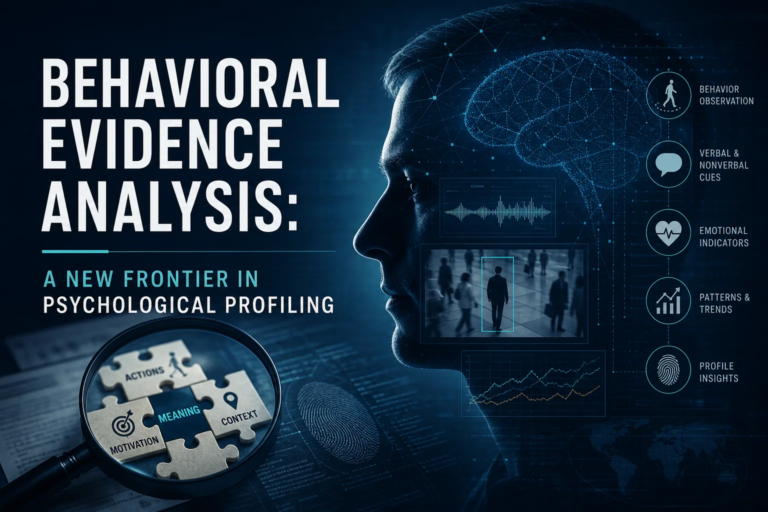
Forensic psychology is key in creating criminal profiles. This method helps police solve tough cases by studying criminal behavior. It’s a big help in catching criminals.
Understanding Behavioral Patterns
Criminal profiling looks at how criminals act. It helps figure out why they do things and what they might do next. Forensic psychologists use tests and analysis to make these profiles.
These profiles are very useful. They give police clues about the criminal’s thoughts. This helps find and catch suspects.
Historical Context and Development
Criminal profiling started in the early 1900s. But it really grew in the 1970s and 1980s. This was thanks to the FBI’s Behavioral Science Unit.
Today, forensic psychology keeps getting better. It uses new research and tech to make profiles more accurate.
| Key Elements | Description | Importance in Profiling |
|---|---|---|
| Behavioral Analysis | Study of criminal behavior to identify patterns | High |
| Psychological Assessments | Evaluation of psychological factors influencing criminal behavior | High |
| Crime Scene Analysis | Examination of evidence and characteristics of the crime scene | Medium |
| Investigative Insights | Providing insights to law enforcement to aid in investigations | High |
Forensic psychology and criminal profiling are now vital in solving crimes. They help police understand cases better. This makes investigations more effective.
Prominent Figures in Forensic Psychology
Forensic psychology has grown thanks to many experts. They have greatly helped the field grow and change. Their work has also shaped laws and policies.
Influential Researchers and Practitioners
Many researchers and practitioners have left a mark on forensic psychology. Dr. John Monahan is famous for his work on predicting violence. His research has made it easier to know who might be violent.
Dr. Elizabeth Loftus is known for her studies on how memories can change. Her findings have changed how we use eyewitness accounts in court. This has affected what forensic psychologists need to know.
“The study of eyewitness testimony is not just about understanding memory; it’s about understanding justice.” – Dr. Elizabeth Loftus
Landmark Cases that Shaped the Field
Some legal cases have greatly influenced forensic psychology. For example, Daubert v. Merrell Dow Pharmaceuticals (1993) changed how expert opinions are used in court. This has affected how forensic psychologists work and what they do.
Frye v. United States (1923) also had a big impact. It set a standard for scientific evidence in court. Even though it’s been updated, it’s important in many places and affects forensic psychologists.
These cases have not only changed the law but also pushed forensic psychology to grow. They’ve made sure that forensic psychologists keep learning and updating their skills.
Future Trends in Forensic Psychology
Forensic psychology is changing fast, with new methods and research coming up. It’s key to keep up with these changes to grow in the field.
Advancements in Research and Techniques
New research methods are making forensic psychology better. Tools and techniques to study criminal behavior and mental health are getting smarter. For example, neuropsychological assessments and behavioral analysis are becoming more common. They help us understand offenders better.
Data analytics and machine learning algorithms are also being used more. They help predict criminal behavior and spot risks. These tools are making the field more effective in legal settings.
| Technique | Description | Application |
|---|---|---|
| Neuropsychological Assessments | Evaluates the relationship between the brain and behavior | Criminal responsibility assessments |
| Behavioral Analysis | Analyzes patterns of behavior to understand motivations | Risk assessments and profiling |
| Data Analytics | Uses statistical techniques to analyze data | Predictive modeling for criminal behavior |
The Growing Importance of Mental Health in Legal Systems
Mental health is becoming more important in legal systems. Forensic psychologists are helping make sure mental health is considered in legal decisions. They check if someone can stand trial, look at a defendant’s mental state at the time of the crime, and suggest treatments.
As people become more aware of mental health, the need for forensic psychology services grows. Forensic psychologists are key in connecting mental health with the law. They make sure legal processes are based on the latest research and practices.

The future of forensic psychology looks bright. With new research and a focus on mental health, the field will keep growing. This growth will lead to more opportunities for forensic psychologist careers, as the demand for experts in psychology and law increases.
Conclusion: The Vital Role of Forensic Psychologists
Forensic psychologists are key in the legal system. They help make sure the law is applied fairly. The American Psychological Association says their skills are very important in legal cases.
These experts do many things, like assess and testify in court. Their work helps make legal decisions better. They use their knowledge of human behavior and mental health.
Key Contributions and Future Directions
Forensic psychologists need to keep learning and adapting. The field is always changing. They must keep up with new research and methods.
This includes using digital tools and data analysis. These tools help make legal decisions better. By staying updated, forensic psychologists will keep being essential to the legal system.
FAQ
What is forensic psychology?
What are the key duties of a forensic psychologist?
What kind of education is required to become a forensic psychologist?
What skills are essential for a career in forensic psychology?
How do forensic psychologists contribute to criminal cases?
What role do forensic psychologists play in civil cases?
What are the ethical considerations in forensic psychology?
How is technology impacting forensic psychology?
What are the challenges faced by forensic psychologists?
What is the relationship between forensic psychology and criminal profiling?
Who are some prominent figures in forensic psychology?
What are the future trends in forensic psychology?
What is the importance of ongoing education and adaptation in forensic psychology?
What qualifications should I look for in a forensic psychologist?
How do I find a qualified forensic psychologist near me?
About the Author