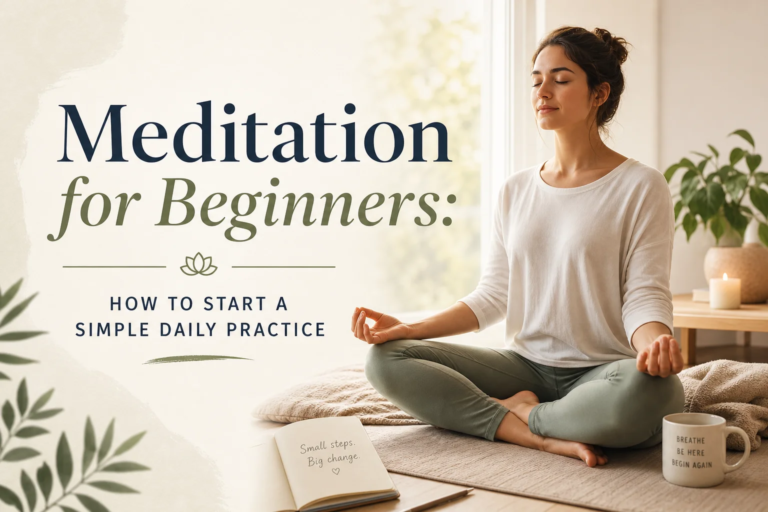
Embrace Stillness: The Ultimate Comprehensive Guide to Meditation for Newbies
Introduction
In our fast-paced, hyper-connected world, moments of stillness are becoming increasingly rare. We’re often swept up in the chaos of daily life, leaving little room for introspection or mindfulness. The concept of "embracing stillness" isn’t merely about finding peace in silence; it’s a vital practice for mental clarity and emotional resilience. This comprehensive guide will serve as your stepping stone into the profound realm of meditation, allowing you to embrace stillness and cultivate a more fulfilling life. Whether you’re looking to reduce stress, enhance focus, or simply find a moment of tranquility, this guide on meditation for newbies is designed to inspire and empower you.
Why Meditate?
The benefits of meditation are extensive and well-documented. From reducing anxiety and depression to improving concentration and promoting emotional health, meditation provides the perfect foundation for managing life’s stresses.
Benefits of Meditation
| Benefit | Description |
|---|---|
| Stress Reduction | Lowers cortisol levels leading to a calmer mind. |
| Enhanced Focus | Boosts attention span and cognitive function through mindfulness practices. |
| Emotional Health | Improves self-esteem and self-awareness by fostering a kinder relationship with yourself. |
| Better Sleep | Helps individuals combat insomnia and restlessness through relaxation techniques. |
| Increased Self-Awareness | Allows a deeper understanding of thoughts, reducing automatic reactions. |
Case Study: Sarah’s Transformation
Sarah, a 30-year-old marketing executive, found herself overwhelmed by work pressure and personal responsibilities. After attending a beginner’s meditation class, she began her journey of embracing stillness. Within a month, she reported feeling less anxious, improving her work performance and general outlook on life. Sarah exemplifies how integrating meditation can create significant, positive changes in one’s life.
Getting Started with Meditation
As a newbie, diving into meditation can feel daunting. However, it’s essential to understand that meditation is a personal journey, and there’s no right or wrong way to embark on it. Here are some foundational steps to get started.
1. Choose a Comfortable Space
Find a quiet environment free from distractions. It could be a dedicated corner in your home or a nearby park. Creating this sacred space will signal your brain that it’s time to transition into stillness.
2. Set a Time Limit
For beginners, start with just 5-10 minutes. Gradually increase this time as you become more comfortable. Setting a timer can help ease anxiety about watching the clock.
3. Focus on Breath
Begin with simple breathing exercises. Close your eyes and concentrate on your breath—inhale deeply through your nose and exhale through your mouth. This practice will ground you and facilitate a deeper meditation experience.
4. Observe Your Thoughts
As thoughts arise, acknowledge them without judgment, and allow them to drift away. This practice will enhance your self-awareness and help you cultivate a more accepting mindset.
5. End with Gratitude
Conclude your meditation with a moment of gratitude. Recognize the time you dedicated to yourself and the peace you’ve embraced.
Different Types of Meditation
Understanding the various styles of meditation can help you find the right fit for your needs. Here are a few styles worth exploring:
Mindfulness Meditation
This form emphasizes awareness of the present moment. Mindfulness encourages acceptance, helping to lessen the impact of stress and anxiety.
Guided Meditation
Ideal for newbies, guided meditation involves following along with a recording or instructor. It can be beneficial for those who find it challenging to meditate alone.
Loving-Kindness Meditation
In loving-kindness meditation, practitioners focus on developing an attitude of love and kindness toward themselves and others. It’s a powerful way to cultivate compassion and emotional well-being.
Case Study: John’s Journey into Mindfulness
John, a college student dealing with exam stress, incorporated mindfulness meditation into his daily routine. After just four weeks, he noticed a marked improvement in his ability to focus during studies and navigate social anxieties. His experience embodies how mindfulness meditation can serve as a tool for enhancing academic performance and emotional stability.
Common Challenges for Newbies
While the journey into meditation is rewarding, it can also present challenges. Here are common obstacles newcomers face and how to overcome them.
Distractions
Solution: When distractions arise, gently bring your focus back to your breath. Recognizing these interruptions is part of the practice.
Restlessness
Solution: Begin with shorter sessions. Incorporate gentle movement or stretching if you’re feeling fidgety—yoga can complement your meditation practice beautifully.
Unrealistic Expectations
Solution: Remember that meditation is a journey, not a destination. Instead of striving for a perfect session, aim for consistency and gradual improvement.
Conclusion: Your Journey Awaits
As you navigate your meditation practice, remember that the journey to embrace stillness is deeply personal. Each meditation is an opportunity to connect with yourself and cultivate a balanced mind. The insights gained through regular practice are transformative and extend beyond the cushion, shaping how you interact with the world around you.
FAQs
1. How long should I meditate each day?
For beginners, starting with 5-10 minutes is ideal. Gradually increase the duration as you grow more comfortable.
2. Do I need to sit in a specific position to meditate?
No, the key is to find a position that is comfortable for you. This could be sitting on the floor, in a chair, or even lying down.
3. What should I do if I can’t focus during meditation?
It’s normal for thoughts to wander. Acknowledge them and gently redirect your focus back to your breath or meditation guide.
4. Can I meditate anywhere?
Absolutely. While a quiet space is ideal, you can meditate in various environments, including parks, offices, or even public transit.
5. How do I maintain consistency in my practice?
Set a specific time each day dedicated to meditation. Keeping a meditation journal can also motivate and track your progress.
Embrace stillness: A comprehensive guide to meditation for newbies is just the start of your journey into mindfulness. As you commit to this transformative practice, remember that every moment spent in stillness is a gift to yourself. Begin today, and let the waves of peace and clarity wash over you.
About the Author


The PsyForU Editorial Collective is the research and editorial team of PsyForU Research International. The collective prepares educational, psychological, mental-health-awareness, inclusion, neurodiversity, and research-methodology content for students, parents, educators, researchers, and general readers. PsyForU content is intended for awareness, education, and capacity-building and should not be treated as clinical diagnosis, therapy, medical advice, legal advice, or emergency mental-health support.