Empowering Expression: Teaching Art to Students with Learning Disabilities
Introduction
Art is often described as a universal language, a medium through which emotions and ideas transcend barriers. For students with learning disabilities, this expression can be transformative, providing them with a voice that might otherwise remain unheard. Empowering Expression: Teaching Art to Students with Learning Disabilities highlights the profound impact that art education can have on these students, fostering not just creativity but also confidence, social skills, and a sense of identity.
In a society that often values conventional measurement of intellect and achievement, art offers an alternative pathway – one where every stroke of the brush and every sculpted form can facilitate learning and expression. This article uncovers the essential strategies, real-world applications, and inspiring stories that showcase how art education can empower students with learning disabilities.
Understanding Learning Disabilities
Defining Learning Disabilities
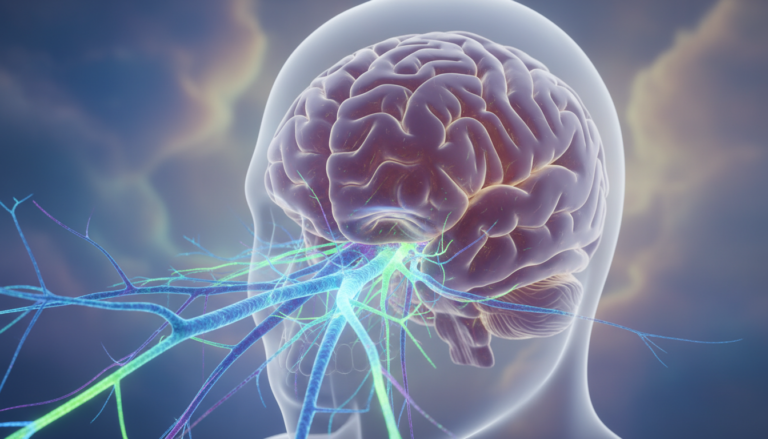
Learning disabilities (LD) encompass a range of disorders that may affect a person’s ability to read, write, speak, or do math. Unlike intellectual disabilities, those with learning disabilities often have average or even above-average intelligence. However, they may struggle with specific skills due to neurological differences in processing information.
Common Types of Learning Disabilities
- Dyslexia: Difficulty in reading and interpreting words.
- Dysgraphia: Challenges with writing, including handwriting and spelling.
- Dyscalculia: Difficulties with mathematical concepts and problem-solving.
The Impact on Self-Esteem
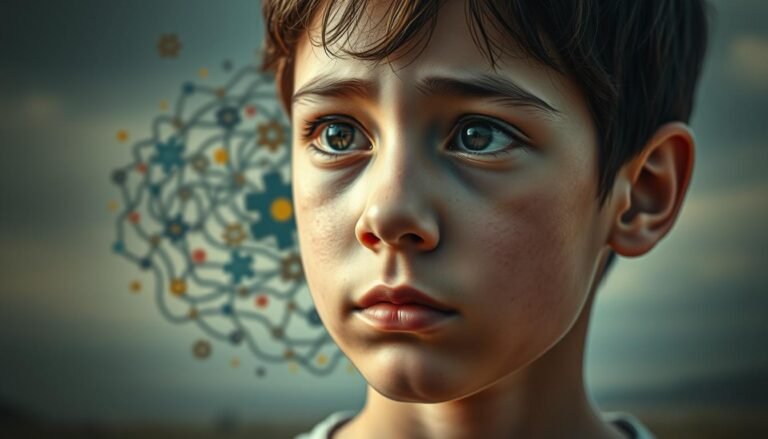
Students with learning disabilities often face societal stigma and may feel isolated or misunderstood. This can significantly hinder their self-esteem and willingness to participate in academic and social activities. Empowering Expression: Teaching Art to Students with Learning Disabilities aims to address these challenges by providing a nurturing platform for expression.
The Role of Art in Education
Why Art Matters
Art encourages creativity and critical thinking, fostering an environment where students can explore their thoughts and feelings without the fear of judgment. The sensory experiences involved in art-making can stimulate emotional and cognitive growth, making it especially effective for students with learning disabilities.
Benefits of Art Education
- Boosts Confidence: Completing a piece of art gives students a sense of achievement.
- Enhances Communication Skills: Art can serve as a medium for self-expression, helping students articulate feelings they may struggle to verbalize.
- Encourages Social Interaction: Group projects promote teamwork, helping students build relationships with peers.
Strategies for Empowerment
Adapted Art Curriculum
An effective art curriculum for students with learning disabilities must be adaptable and relatable. Here are some essential strategies:
- Hands-On Experiences: Reduce verbal instructions and emphasize hands-on practice. Students can learn techniques through demonstration rather than verbal explanation.
- Hands-On Experiences: Reduce verbal instructions and emphasize hands-on practice. Students can learn techniques through demonstration rather than verbal explanation.
- Flexible Assessment: Moving away from traditional grading systems to more qualitative assessments allows students to be evaluated based on effort and personal growth rather than technical skill.
- Flexible Assessment: Moving away from traditional grading systems to more qualitative assessments allows students to be evaluated based on effort and personal growth rather than technical skill.
- Encourage Personal Themes: Allow students to create art that reflects their personal experiences or emotions. This validation can be empowering and validating.
Case Study: The Creative Arts Therapy Program
In a school district implementing a Creative Arts Therapy program, students with various learning disabilities engaged in both art and music therapies. This initiative allowed children to express their emotions through creative outlets and fostered a significant increase in their self-esteem and classroom engagement.
Analysis
Data collected showed that 85% of participating students reported feeling more confident in expressing themselves, and teachers noted improved social interactions among peers. This case exemplifies how art education can contribute to emotional and social development.
Technology in Art Education
With advancements in technology, incorporating digital art tools can be beneficial for students with learning disabilities. Programs like Procreate or Adobe Fresco allow students to create intricate designs without the stress of traditional media.
- Visual Learning: Digital tools often feature interactive interfaces that may be more engaging for students with learning disabilities.
- Visual Learning: Digital tools often feature interactive interfaces that may be more engaging for students with learning disabilities.
- Accessibility Features: Many digital programs offer options like voice commands, tutorials, and customization elements tailored to individual needs.
Creating an Inclusive Art Classroom
Fostering an Environment of Acceptance
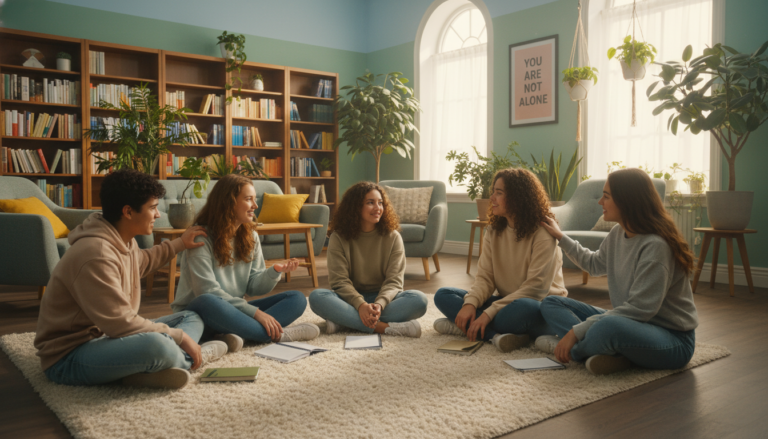
Creating a safe, welcoming art studio experience is essential for empowering expression. Here’s how:
- Celebrate Diversity: Display art from various cultures and backgrounds, emphasizing that art is a global language.
- Celebrate Diversity: Display art from various cultures and backgrounds, emphasizing that art is a global language.
- Peer Support: Encourage students to work in pairs or small groups, cultivating an atmosphere of mutual support and collaboration.
- Peer Support: Encourage students to work in pairs or small groups, cultivating an atmosphere of mutual support and collaboration.
- Positive Reinforcement: Utilize praise and encouragement to promote risk-taking in art-making, where mistakes are seen as opportunities for creativity.
Case Study: The Empowerment Zone
A middle school in New York City established an “Empowerment Zone” for students with learning disabilities. The initiative focused on providing art classes led by trained art educators who tailored lessons to meet the students’ unique needs.
Analysis
Through surveys, students reported a 90% increase in enjoyment of creative expression. Teachers noted that the students showed improved focus in other subjects, attributing this to the confidence gained in the art classroom.
Innovative Techniques for Teaching Art
Multi-Sensory Approaches
Utilizing multi-sensory methods can significantly benefit students. Surrounding them with different textures, colors, and materials enhances their artistic experience and understanding.
- Textured Surfaces: Allow students to work with various materials like clay, fabric, or recycled objects to stimulate tactile exploration.
- Textured Surfaces: Allow students to work with various materials like clay, fabric, or recycled objects to stimulate tactile exploration.
- Color Psychology: Discuss the impact of colors on emotions and encourage students to express how different shades make them feel.
Innovation in Artistic Expression
Promote experimental art techniques such as:
- Sip and Paint Nights: Collaborative, unstructured art sessions focus less on the finished product and more on the joy of creating.
- Sip and Paint Nights: Collaborative, unstructured art sessions focus less on the finished product and more on the joy of creating.
- Art Journaling: Encourage students to maintain personal journals where they can sketch, doodle, or write, allowing for a fusion of thoughts and art.
Conclusion
Empowering Expression: Teaching Art to Students with Learning Disabilities is not merely about developing artistic skills; it’s about nurturing self-esteem, social interaction, and emotional articulation. Art education can serve as a valuable tool for growth and empowerment, providing students the opportunity to express their unique perspectives and experiences.
As educators, parents, and advocates, we must champion the inclusion of art in the curriculum, ensuring that all students have access to the transformative power of creative expression. Let us foster environments where every child feels valued, understood, and empowered to share their voice.
FAQs
1. How can art help students with learning disabilities?
Art facilitates emotional expression, boosts self-esteem, and enhances social skills. It provides a medium through which these students can communicate feelings and experiences that may be difficult to articulate verbally.
2. What types of art are best suited for students with learning disabilities?
Hands-on, tactile art forms such as clay modeling, painting, and collage can be particularly beneficial. Incorporating digital media may also cater to various learning styles.
3. How can I adapt my teaching methods for students with learning disabilities?
Utilize flexible assessments, multi-sensory teaching techniques, and encourage personalized themes in art projects to cater to individual needs.
4. Are there specific tools or resources to assist in teaching art to these students?
Yes, look into adaptive art supplies, digital art programs, and resources from organizations that specialize in art education for special needs.
5. How can schools create a supportive art education environment for these students?
Establish inclusive classrooms that celebrate diversity, foster peer support, and offer positive reinforcement. Training teachers in special education techniques can significantly enhance this environment.
This article serves as a guide to understanding the monumental role of art in education, particularly for students with learning disabilities. Embracing and implementing these concepts can lead to a more inclusive, accepting, and empowering educational landscape.
About the Author