Introduction
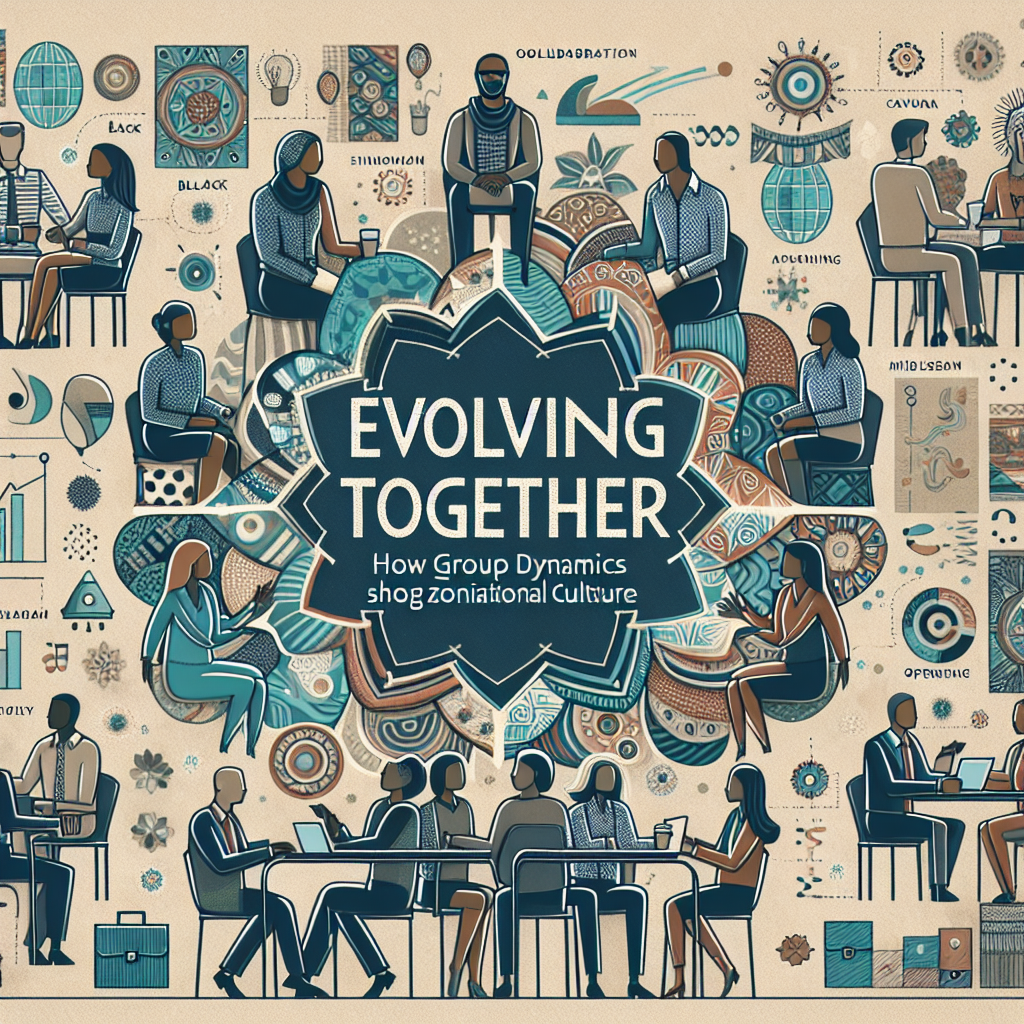
In today’s fast-paced business environment, organizational culture plays a pivotal role in determining the success of any enterprise. But what truly shapes this culture? The answer lies within the intricate web of group dynamics that govern interactions and collaboration among employees. Evolving Together: How Group Dynamics Shape Organizational Culture is not just a topic for theorists; it is a living phenomenon that impacts every organization, from startups to established giants.
When teams work together harmoniously, they not only foster creativity and innovation but also drive the organization toward its goals. Conversely, dysfunctional group dynamics can lead to misunderstandings, decreased motivation, and ultimately, failure. As individuals and teams evolve, so too does the culture in which they operate. This article explores how these group dynamics function as a catalyst for cultural evolution within organizations, offering insights, case studies, and actionable takeaways.
Understanding Group Dynamics
The Basics of Group Dynamics
Group dynamics is a field of study that explores the behaviors and psychological processes that occur within social groups. At its core, it examines how individuals interact, influence one another, and perform within their groups. Understanding these dynamics is crucial for leaders and organizations aiming to cultivate a thriving workplace culture.
The Impact of Group Cohesion
Cohesion in a group refers to the bonds that hold team members together. High levels of cohesion often lead to improved communication, higher levels of commitment, and greater overall efficiency. Let’s look at a case study:
Case Study: Google’s Project Aristotle
Google embarked on a study called Project Aristotle to understand what made teams successful. They found that psychological safety—a key component of group dynamics—was essential for effective teamwork. In teams with high psychological safety, members felt safe to take risks and express their ideas. This realization led Google to retrain managers and develop practices that foster group cohesion. The results were astounding: teams that practiced these values significantly outperformed others, reinforcing Evolving Together: How Group Dynamics Shape Organizational Culture.
The Role of Leadership in Group Dynamics
Leadership style significantly influences group dynamics. Effective leaders foster a culture where team interactions are encouraged, diverse viewpoints are valued, and constructive feedback is commonplace. They also model the behaviors they wish to see in their teams.
The Shift from Individualism to Collectivism
Organizations that encourage a collective mindset often see a more robust organizational culture. This collective attitude helps teams push through challenges together, leading to greater innovation and problem-solving capabilities. A transition from an individualistic to a collectivist approach can significantly alter an organization’s destiny.
Fostering Trust Among Team Members
Trust acts as the foundation of any successful group dynamic. Teams that trust each other are more likely to take risks and innovate. Leaders can encourage trust by modeling transparency, encouraging open communication, and recognizing contributions.
The Evolving Nature of Organizational Culture
Cultural Evolution: A Necessity for Success
Organizational culture is not static; it evolves as groups interact, grow, and shift. The intertwined nature of group dynamics and organizational culture means that any changes in team structure, composition, or processes can have far-reaching effects. Evolving Together: How Group Dynamics Shape Organizational Culture is not just a tagline but a reality that requires constant attention and adaptation.
The Cycle of Cultural Feedback
The relationship between group dynamics and organizational culture is cyclical. Positive interactions can strengthen culture, while negative dynamics can lead to cultural degradation. Leaders need to understand this feedback loop to create an environment of continuous improvement.
Ten Factors That Shape Organizational Culture
- Leadership Style: Directly influences group dynamics and sets the tone for culture.
- Group Composition: Diversity in teams can enhance creativity but requires effective management of group dynamics.
- Communication Patterns: Open and honest communication fosters a positive culture.
- Conflict Resolution: How conflicts are resolved can either enhance or damage group dynamics.
- Shared Goals: Common objectives bring teams together and shape culture.
- Employee Recognition: Acknowledgment fosters trust and cohesion.
- Work Environment: Physical and psychological environments affect group dynamics.
- Feedback Mechanisms: Regular constructive feedback can shift dynamics positively.
- Training and Development: Opportunities for learning can unify teams.
- Adaptability: Organizations must be willing to change as groups evolve in their dynamics.
Table: Feedback Loop of Group Dynamics and Organizational Culture
| Element | Positive Impact | Negative Impact |
|---|---|---|
| Leadership Style | Inspires trust and unity | Creates confusion and distrust |
| Communication | Fosters innovation | Leads to misunderstandings |
| Conflict Management | Encourages problem-solving | Destroys teamwork |
Real-World Applications of Group Dynamics
Case Study: Zappos’ Unique Culture
Zappos is renowned for its unique workplace culture, where group dynamics play a critical role. Employees are encouraged to be themselves, fostering an environment of trust and open communication. This practice has led to unparalleled customer service and a cohesive team that thrives on collaboration. Zappos showcases how Evolving Together: How Group Dynamics Shape Organizational Culture can enhance organizational success.
Case Study: Toyota and Lean Management
Toyota’s application of lean management principles revolves around group dynamics. By empowering teams to make decisions and suggesting improvements, the organization creates a culture of continuous evolution. The result? Enhanced productivity and a culture that values teamwork and innovation.
Actionable Insights for Leaders
1. Create an Environment of Psychological Safety
Encouraging team members to voice their opinions without fear of criticism fosters a culture of trust and creativity.
2. Invest in Team-Building Activities
Regular team-building exercises can help improve group cohesion and enhance organizational culture.
3. Encourage Feedback Loops
Implement regular feedback sessions to ensure that every team member feels heard and valued, shaping a positive group dynamic.
4. Promote Diversity and Inclusion
Create diverse teams that bring different perspectives to the table, enhancing creativity and problem-solving.
5. Be Adaptable
Be open to changing processes and dynamics as your teams evolve, ensuring a culture that remains aligned with organizational goals.
Conclusion
Evolving Together: How Group Dynamics Shape Organizational Culture is an intricate journey that can elevate organizations to new heights. The dynamics within your teams significantly influence morale, productivity, and creativity. By understanding these dynamics and actively promoting a culture rooted in trust, collaboration, and adaptability, leaders can drive their organizations toward sustained success.
As you reflect on your team’s culture, consider how you can foster stronger group dynamics to usher in a new era of innovation and collaboration within your organization. The path may not be easy, but the rewards—an empowered, engaged team and a thriving culture—are well worth the effort.
FAQs
1. What are group dynamics?
Group dynamics refers to the interactions and behaviors that occur within a group of people, influencing how they work together, communicate, and make decisions.
2. How can group dynamics affect organizational culture?
Positive group dynamics can enhance collaboration and innovation, leading to a robust organizational culture. Conversely, negative dynamics can lead to communication breakdowns and decreased morale.
3. What role does leadership play in shaping group dynamics?
Leaders set the tone for group interactions and behaviors. Their style, communication, and decision-making processes directly influence how teams collaborate.
4. How can organizations foster better group dynamics?
Organizations can encourage better group dynamics by promoting open communication, investing in team-building activities, and creating an environment of psychological safety.
5. Why is it important for organizational culture to evolve?
Organizational culture must evolve to adapt to changing environments, team dynamics, and market demands. Stagnant cultures can hinder progress and innovation.
By understanding and embracing the principles outlined within this article, you have the power to shape a vibrant organizational culture that thrives on effective group dynamics. The journey of Evolving Together: How Group Dynamics Shape Organizational Culture is one filled with potential, waiting for leaders like you to embark upon it.
About the Author


Dr. Leah Howard, Positive Psychology
Dr. Howard is a researcher and advocate for positive psychology, focusing on human strengths, happiness, and well-being. Her writings explore how people can cultivate a positive mindset, improve resilience, and develop emotional intelligence to live fulfilling lives.