Introduction
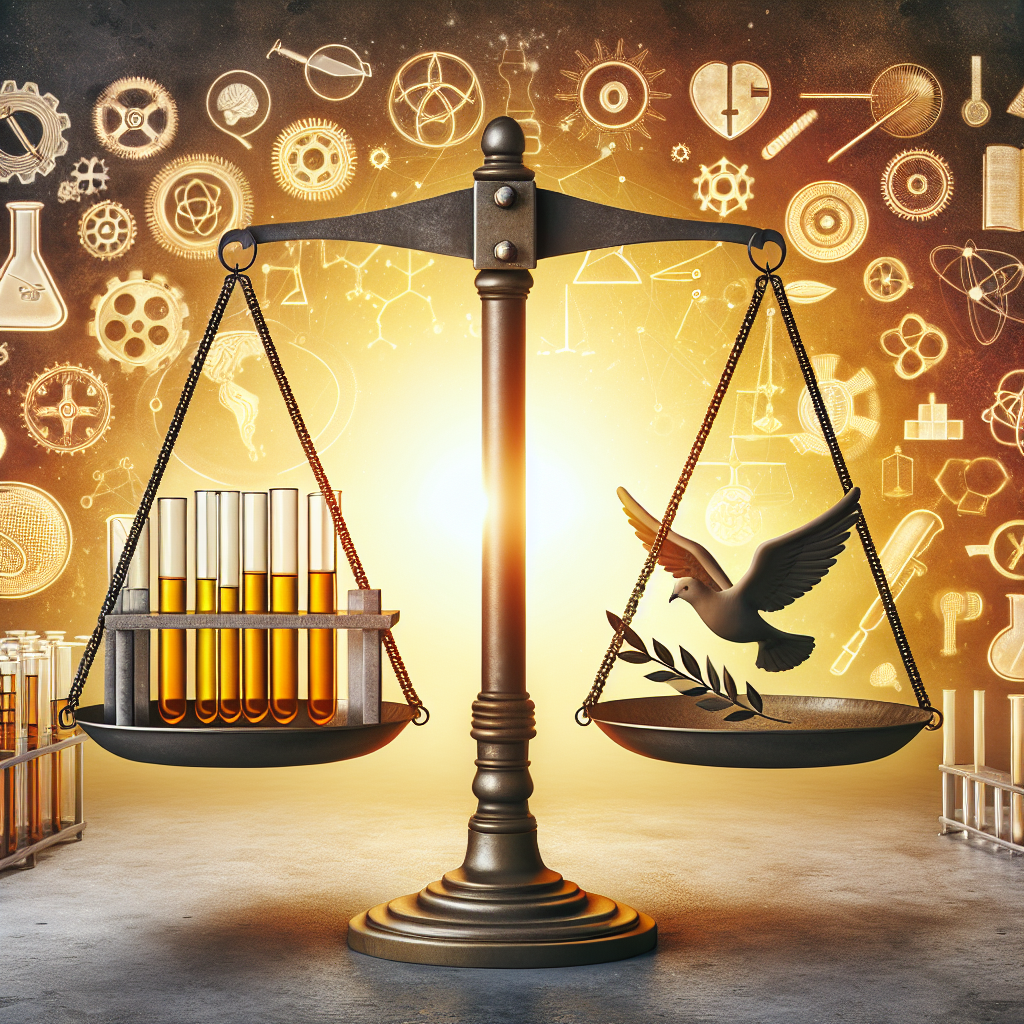
In a world driven by rapid technological advancements, the phrase "Experimentation Meets Ethics: Balancing Innovation with Responsibility" resonates more than ever. Today, as innovators leap into uncharted territories—from artificial intelligence to biotechnology—the ethical implications of these experiments command our attention. This intricate dance between the brilliance of innovation and the necessity of responsibility is crucial for a sustainable and equitable future.
With globalization and interconnectedness increasing at an unprecedented rate, the outcomes of our experiments no longer reside in isolated pockets; they ripple through societies and ecosystems worldwide. Thus, understanding how to balance creativity and responsibility is not just a moral imperative—it’s essential for the longevity of innovation itself.
The Landscape of Modern Experimentation
The Drive for Innovation
Innovation has become the heartbeat of progress, fueling economic growth, enhancing quality of life, and solving complex problems. However, this ambition often leads experimentation into ethically ambiguous waters. The intersection of creativity and responsibility necessitates a structured approach to testing new ideas.
Balancing Creativity with Ethical Standards
To mitigate risks associated with cutting-edge experiments, organizations must implement frameworks that ensure ethical compliance. The question becomes: How do we foster innovation while adhering to ethical standards?
Key Elements in Balancing Innovation and Ethics:
- Transparency: Sharing motives and methodologies behind experimentation.
- Inclusivity: Engaging diverse stakeholders to anticipate ethical concerns.
- Accountability: Setting protocols to take responsibility for outcomes.
Case Studies in Ethical Experimentation
Case Study 1: The CRISPR Controversy
The emergence of CRISPR technology offers a striking example of the ethical dilemmas entwined with groundbreaking experimentation. While CRISPR promises to eradicate genetic diseases, the ethical concerns surrounding gene editing can’t be overlooked.
Analysis: The 2018 incident involving He Jiankui, who used CRISPR to create genetically edited babies, starkly illustrated the stakes involved. This experiment raised alarms internationally, emphasizing the importance of ethical standards.
| Aspect | Implications |
|---|---|
| Technique | Gene Editing |
| Ethical Dilemma | Consent and Unintended Consequences |
| Outcome | Global Regulatory Focus |
Case Study 2: AI in Healthcare
Artificial Intelligence (AI) is another area where experimentation meets ethics. In healthcare, AI can enhance diagnostics and treatment options, yet it also stirs ethical debates surrounding bias and data privacy.
Analysis: The use of AI to analyze patient data could inadvertently reinforce existing biases if not handled ethically. Organizations must balance the efficacy of AI against potential discrimination.
Experimentation Frameworks: Pathways to Ethical Innovation
A. Establishing Ethical Guidelines
A universal code of ethics is paramount in guiding innovators. Organizations such as the IEEE and UNESCO are developing frameworks that serve as a backbone for ethical experimentation.
B. Ethics Committees and Oversight
The formation of ethics boards can facilitate discussions on the implications of new technologies, ensuring that an interdisciplinary perspective is maintained.
C. Public Engagement and Awareness
The broader society needs to be engaged in these discussions. Public forums, workshops, and outreach initiatives can demystify experimental technologies and gather diverse opinions.
Tables to Clarify Critical Points
| Framework Component | Description | Example |
|---|---|---|
| Transparency | Clear communication of experiment objectives | Public reports on AI data usage |
| Inclusivity | Engaging different community stakeholders | Focus groups for gene editing discussions |
| Accountability | Mechanisms for responsibility | Multi-disciplinary ethics panels |
The Shift Towards Responsible Experimentation
Embracing a Culture of Responsibility
Creating a culture that prioritizes ethical considerations in experimentation requires commitment from all organizational levels. Leaders must instill values that champion ethical responsibility in every innovation.
Continuous Learning and Adaptation
Responsibility doesn’t end with establishing guidelines. Organizations must continuously adapt to emerging ethical challenges through feedback and research.
Conclusion
As we stand at the crossroads of innovation and ethics, the need for a structured approach to experimentation is crucial. The dialogue around "Experimentation Meets Ethics: Balancing Innovation with Responsibility" is not just theoretical; it carries real-world implications for current and future generations. By investing in ethical frameworks, fostering public engagement, and creating a culture of responsibility, we can ensure that innovation serves humanity without compromising our fundamental values.
Let’s embark on this journey to shape a future where experimentation is synonymous with ethics, and innovation proceeds with purpose.
FAQs Section
1. Why is ethical experimentation important?
Ethical experimentation ensures that innovations don’t harm individuals or society while maximizing benefits, fostering trust in technological advancements.
2. How can organizations implement ethical frameworks?
Organizations can establish ethics committees, adopt standardized guidelines, and promote transparency and accountability in their processes.
3. What role does public opinion play in ethical experimentation?
Public opinion helps shape ethical standards and guides organizations in understanding societal concerns and expectations.
4. Are there consequences for unethical experimentation?
Yes, unethical experimentation can lead to legal repercussions, loss of public trust, and damage to a company’s reputation.
5. How can individuals get involved in ethical discussions surrounding innovation?
Individuals can participate in public forums, educational workshops, and advocacy groups to voice their concerns and contribute to the dialogue on ethics in experimentation.
In a rapidly advancing world, the challenge remains: How do we navigate the exciting yet precarious landscape of innovation while upholding our moral compass? The balance lies in maximizing human ingenuity while safeguarding our shared ethical heritage.
About the Author