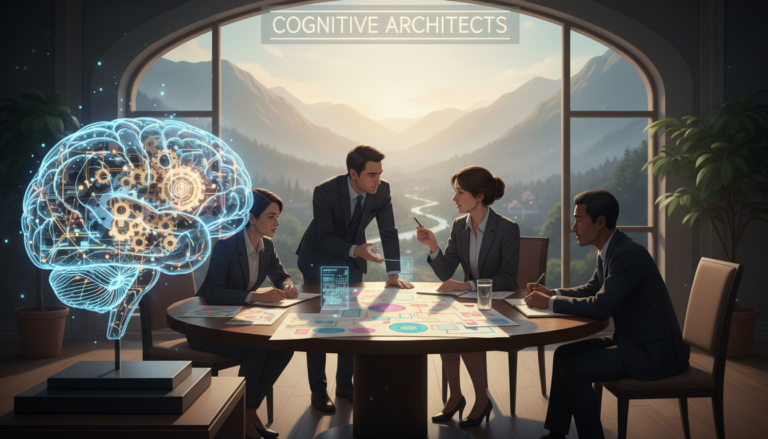
In today’s fast-paced world, the ability to adapt and innovate is more important than ever. Whether you’re tackling a personal project, planning a business strategy, or crafting a marketing campaign, understanding how to blend ideas can spark creativity and drive success. Feel free to mix and match elements from these suggestions! Isn’t just advice; it’s a powerful mantra that can elevate your approach in numerous ways.
Introduction
Imagine a world where creativity knows no bounds. From fashion and cuisine to technology and marketing, everything evolves by mixing and matching elements to create something new and exciting. This guide explores how flexibly blending ideas can lead to extraordinary outcomes. Our goal is to arm you with insights, real-world case studies, and actionable takeaways that will inspire you to embrace this philosophy wholeheartedly.
The Art of Mixing Ideas: A Brief Overview
Why Mixing Matters
Mixing ideas isn’t just a trend; it’s a fundamental aspect of creativity that can lead to groundbreaking results. When you feel free to mix and match elements from these suggestions, you open the door to diverse perspectives and innovative solutions. This section will delve into how diverse experiences and ideas can synergize to create something revolutionary.
Historical Case Study: The Renaissance
During the Renaissance, artists, scientists, and thinkers embraced the idea of blending various disciplines to advance knowledge and culture. For instance, Leonardo da Vinci skillfully combined art with science, creating masterpieces that aestheticized engineering concepts. His work exemplifies how merging different fields can lead to profound advancements.
Practical Applications Across Different Fields
1. Business Strategy
When developing a business strategy, feel free to mix and match elements from these suggestions to craft a unique approach tailored to your brand.
Case Study: Apple Inc.
Apple’s innovative product lines are a prime example of mixing elements from technology, design, and marketing. By merging sleek aesthetics with user-friendly interfaces, Apple has established itself as a leader in consumer technology. The success of the iPhone is a testament to how inventive blending results in market disruption.
Table: Key Elements of Apple’s Success
| Element | Traditional Approach | Apple’s Approach |
|---|---|---|
| Design | Functionality-first | Aesthetic and functionality |
| Marketing | Features-focused | Experience-focused |
| Technology | Incremental upgrades | Revolutionary changes |
2. Education
In the realm of education, teachers can greatly benefit from mixing and matching teaching strategies to enhance student engagement.
Innovative Teaching Methods
Educators increasingly use blended learning, which merges traditional classroom teaching with online resources. For instance, a teacher might combine direct instruction with project-based learning, allowing students to explore topics in a manner suited to their individual learning styles.
3. Health and Wellness
The health industry can also leverage the concept of mixing ideas to promote better wellness practices.
Case Study: Integrative Medicine
Integrative medicine blends conventional medical treatments with alternative therapies. Practitioners who feel free to mix and match elements from these suggestions often develop a more holistic view of patient care, addressing both physical and emotional health.
Creative Industries: Where Mixing Thrives
1. Fashion
Fashion is a vibrant field where mixing cultural elements leads to uncharted trends.
Case Study: Streetwear
Streetwear has successfully combined high fashion with everyday casualwear. Brands like Off-White merge elements from various cultures and subcultures, creating pieces that resonate with a broader audience. When designers allow creativity to flow, they often produce pieces that defy conventional categories.
2. Culinary Arts
Cooking is another excellent domain for mixing ideas, where chefs blend influences to create compelling culinary experiences.
Case Study: Fusion Cuisine
Restaurants specializing in fusion cuisine demonstrate that feeling free to mix and match elements from these suggestions can lead to engaging flavor profiles that excite diners. Think sushi burritos or Korean tacos; these innovative dishes combine culinary traditions to attract diverse audiences.
Technology: The New Frontier
1. Software Development
In software development, mixing methodologies has become increasingly popular and relevant.
Agile and Waterfall
Many teams have realized that blending Agile methodologies with Waterfall principles can lead to better project management. Teams can implement rapid iterations while maintaining structured project oversight, reaping the best of both worlds.
2. Marketing Strategies
Marketers can also greatly benefit from combining different marketing strategies.
Multi-Channel Marketing
Campaigns that feel free to mix and match elements from these suggestions have seen higher engagement rates. For instance, integrating email marketing with social media advertising can create a comprehensive strategy that reaches consumers on multiple platforms.
Chart: Engagement Rates by Marketing Channel
| Marketing Channel | Click-Through Rate | Conversion Rate |
|---|---|---|
| 3.2% | 2.5% | |
| Social Media | 2.1% | 1.8% |
| Combined | 4.5% | 3.2% |
The Challenges of Mixing Ideas
While there are immense benefits to mixing ideas, there are challenges that can arise.
1. Confusion and Lack of Focus
One of the primary risks of mixing elements too liberally is the potential for confusion. Not all combinations yield successful results. It’s essential to maintain focus and ensure that blended ideas serve a cohesive purpose.
2. Resistance to Change
People often resist altered methodologies or concepts, making successful integration challenging. Communicating the potential benefits of change is vital to overcome this resistance.
3. Cultural Sensitivity
In many creative fields, cultural appropriation is a significant concern when blending influences. It’s crucial to approach such mixes thoughtfully and respectfully.
Conclusion
At its core, the philosophy of feel free to mix and match elements from these suggestions! provides a blueprint for innovation across multiple fields. By fostering a spirit of openness and creativity, you can harness the power of blending ideas to generate unique solutions and breakthroughs.
Actionable Insights
- Experiment: Don’t be afraid to try different combinations. test out various ideas from diverse sources until you find a blend that resonates.
- Be Open: Engage with communities outside your usual circles to gain new perspectives and insights.
- Evaluate and Adapt: Regularly assess the effectiveness of your mixed strategies and be willing to adapt as necessary.
FAQs
1. What does it mean to mix and match elements?
Mixing and matching elements involves blending various ideas, strategies, or components from different fields or disciplines to create a new approach or solution.
2. How can I implement this approach in my daily life?
Start small by trying out new combinations in personal projects or decision-making. Gradually, incorporate more diverse elements into your work routines.
3. Can mixing ideas lead to confusion?
Yes, if not done thoughtfully, mixing ideas can lead to conflicts and confusion. It’s essential to maintain a clear focus and intent.
4. How do I ensure cultural sensitivity when mixing ideas?
Be cautious about borrowing elements from cultures outside your own. Always ensure you approach the incorporation of such elements respectfully and with informed understanding.
5. What are some common areas where mixing and matching can be applied?
Some common areas for blending ideas include business strategies, marketing, culinary arts, fashion, education, and technology.
In summary, embracing the philosophy of feel free to mix and match elements from these suggestions! can open up avenues for creativity and innovation across all aspects of life. Regardless of your field, experimentation and an open mind will lead to extraordinary outcomes. So go ahead—mix it up!
About the Author


The PsyForU Editorial Collective is the research and editorial team of PsyForU Research International. The collective prepares educational, psychological, mental-health-awareness, inclusion, neurodiversity, and research-methodology content for students, parents, educators, researchers, and general readers. PsyForU content is intended for awareness, education, and capacity-building and should not be treated as clinical diagnosis, therapy, medical advice, legal advice, or emergency mental-health support.