Can knowing a criminal’s mind help solve crimes? This question has puzzled law enforcement and the public for years. It led to the creation of criminal profiling.
Criminal profiling is a detailed study of crime scenes, victim traits, and early police reports. It aims to paint a psychological picture of the criminal. This method has grown a lot, becoming key in solving crimes.
By looking closely at crimes and the people who do them, detectives can find suspects faster. This helps catch criminals. We’ll dive into the science of this method, its importance, and how it’s improved.
Key Takeaways
- Understanding the concept and importance of criminal profiling.
- The role of crime scene analysis in profiling.
- How victim characteristics influence profiling.
- The evolution of criminal profiling over time.
- The significance of preliminary police reports in the profiling process.
What is Criminal Profiling?
Criminal profiling is a way to find out who committed a violent crime. The FBI uses it by looking at the crime scene and the victim. They also consider other important factors to guess who might have done it.
Definition and Purpose
The main goal of criminal profiling is to help police solve violent crimes. It gives a detailed look at the offender’s age, personality, and how they act. By studying the crime scene, profilers can guess who might have done it, making it easier to find suspects.
Even though it’s not a perfect science, criminal profiling is a useful tool. Experts in criminal behavior analysis and offender profiling use their knowledge to make educated guesses. They look at psychology, criminology, and sociology to help solve crimes.
Historical Context
The idea of criminal profiling started in the early 1900s. But it really took off in the 1970s. The FBI’s Behavioral Science Unit, started in the 1970s, was key in making it a formal method. Over time, it has gotten better, thanks to new ideas from psychology and criminology.
As we learn more about crime, profiling has become more advanced. Now, it’s a key part of solving serious crimes. It’s also used in new areas like cybercrime and terrorism.
The Evolution of Criminal Profiling Techniques
Criminal profiling has grown a lot, using new methods and insights from criminal psychology. This growth has made investigations better.
Early Approaches
At first, profiling was based on gut feelings and not much psychology. Investigators used their experience and what they saw to guess about suspects. But, as psychology got better, so did profiling.
The early days of profiling were not very scientific. But, they were the start of something bigger and better.
The Behavioral Analysis Unit
The FBI’s Behavioral Analysis Unit (BAU) has been key in improving profiling. It was made to help solve crimes. The BAU has really helped understand what makes criminals tick.
The BAU looks at crime scenes, victims, and other data to make detailed profiles of criminals. This helps police find and catch bad guys.
Adding psychology to profiling has been a big step forward. Knowing why and how criminals act helps make better profiles. This makes it easier for investigators to track down suspects.
| Technique | Description | Application |
|---|---|---|
| Crime Scene Analysis | Analyzing the crime scene to understand the offender’s behavior and motivations. | Identifying possible suspects and figuring out their habits. |
| Victimology | Looking at the victim’s life and traits to find links to the criminal. | Getting insight into why the criminal chose their victim. |
| Geographic Profiling | Studying where crimes happen to spot patterns and find where the criminal might live. | Helping catch criminals by guessing where they might be. |
Profiling has gotten much better, helping police solve crimes more. By using new psychology and methods, it will keep getting better.
Key Theories Behind Criminal Profiling
Understanding the theories behind criminal profiling is key to its role in law enforcement. It’s based on several important theories. These help investigators understand what drives offenders.
Organized vs. Disorganized Offenders
The FBI uses a theory that divides offenders into two groups: organized and disorganized. Organized offenders plan and control their crimes well, leaving few clues. Disorganized offenders are more impulsive, leading to a chaotic crime scene.
Organized offenders are smart and plan their crimes. They target specific victims and try to avoid being caught. Disorganized offenders, on the other hand, act on impulse. They leave more evidence because they don’t plan well.
Psychological Theories
Psychological theories are also vital in criminal profiling. They help understand what drives offenders. For example, attachment theory can shed light on an offender’s relationships and behavior.
Psychological profiling uses many theories, like psychoanalytic theory and behavioral theory. These theories help analyze crime scenes and victimology. They give investigators a clearer picture of the offender.
By combining these theories, criminal profilers can create more accurate profiles. This helps law enforcement solve crimes more effectively.
Methodologies Used in Criminal Profiling
Investigators use various techniques to profile criminals. These include crime scene analysis, victimology, and geographic profiling. These methods help understand the offender’s behavior and background.
Crime Scene Analysis
Crime scene analysis is key in profiling. It involves a detailed look at the crime scene. This helps gather evidence and understand the offender’s actions. Key elements analyzed include:
- The type and severity of injuries inflicted on the victim
- The presence or absence of defensive wounds
- The positioning of the body and any staging
- Any physical evidence left at the scene, such as fingerprints, DNA, or fibers
Victimology
Victimology studies the victim’s characteristics and how they relate to the offender. By looking at the victim’s lifestyle, habits, and background, investigators can find connections. This includes examining:
- The victim’s daily routines and habits
- Their social and professional networks
- Any previous interactions with the offender, if known
- The victim’s physical and psychological characteristics
Geographic Profiling
Geographic profiling looks at the locations of connected crimes. It helps identify patterns and hotspots. Key aspects include:
- Mapping the locations of crime scenes and other relevant sites
- Analyzing the distances between crimes and the offender’s likely residence or base of operation
- Identifying any patterns or anomalies in the offender’s movement and behavior
By using these methods together, investigators can create a detailed profile of the offender. This increases the chances of catching them.
The Role of Psychology in Criminal Profiling
Psychology is key in criminal profiling. It helps law enforcement understand why criminals act the way they do. This knowledge is vital for creating accurate profiles.
Understanding Criminal Behavior
Criminal behavior is complex. It’s shaped by many psychological factors. Understanding these factors is key to making effective profiles.
Studying why someone commits a crime is important. By knowing why, profilers can start to see who the offender is. They look at the psychological reasons behind the crime.
Psychological Assessments
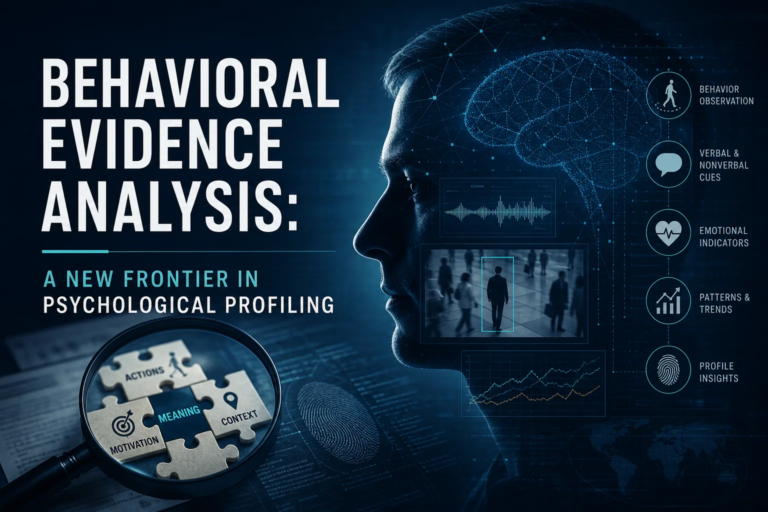
Psychological assessments are vital in profiling. They help by looking at the offender’s psychological traits. This is done by analyzing crime scene evidence and other data. Psychological assessments offer insights into a criminal’s mindset and actions.
Through various assessment methods, profilers learn about the offender’s personality and motives. This knowledge is essential for catching suspects and stopping crimes.
Using psychology in profiling shows the value of teamwork in solving crimes. By mixing psychology with other methods, law enforcement can fight crime more effectively.
Common Applications of Criminal Profiling
Criminal profiling helps solve crimes by studying how offenders act. It’s key for police to find suspects and solve crimes. This way, crimes that might not be solved are cracked.
Law enforcement investigations use profiling to get into a criminal’s mind. John Douglas, a former FBI agent, said, “Profiling is not just about catching bad guys; it’s about understanding why they do what they do.”
“The more you know about the offender, the more likely you are to catch them.”
Law Enforcement Investigations
Profiling in law enforcement creates a mental picture of the offender. It looks at crime scene evidence, victim details, and more. This helps predict what the offender might do next. It also helps figure out if crimes are linked to the same person or group.
Preventive Measures
Profiling also helps prevent crimes. By knowing what makes offenders act, police can stop crimes before they happen. This includes community programs, watching high-risk spots, and more to keep crime away.
As profiling gets better, so do its uses in solving crimes and preventing them. New tech like data analysis and AI makes profiling more accurate and useful.
The Impact of Technology on Criminal Profiling
Technology has changed criminal profiling a lot. It makes investigations more accurate and faster. New tools and methods help understand criminal behavior better.
Data Analysis and AI
Data analysis and Artificial Intelligence (AI) have changed how we solve crimes. AI algorithms can look at lots of data fast. They find patterns that humans might miss.
This is great for looking at crime scenes and victim information. It helps make detailed profiles of suspects.
Data analysis tools help police look through big datasets. They find trends and links between crimes. This makes investigations faster and more accurate.
| Technology | Application in Criminal Profiling | Benefits |
|---|---|---|
| AI Algorithms | Analyzing crime scene evidence and victimology | Enhanced accuracy and speed in profiling |
| Data Analysis Tools | Identifying trends and connections between crimes | Improved investigation efficiency |
Online Behavioral Analysis
Online behavior analysis is key in modern profiling. It looks at what someone does online. This helps make detailed profiles.
Looking at online activities is important. It shows what someone likes and might do. This helps prevent crimes.
It also helps find who might be working with a suspect. This gives a full picture of the criminal’s world.
Challenges in Criminal Profiling
Ensuring the accuracy and ethical use of criminal profiling is a big challenge. It has benefits but also faces issues with accuracy and ethics.
Accuracy and Reliability
The success of criminal profiling depends on its accuracy and reliability. Several factors can affect this:
- Incomplete or biased data: Profilers often use incomplete or biased information, leading to wrong profiles.
- Lack of standardization: There’s no one standard for criminal profiling, leading to varying quality.
- Human error: Profilers, like everyone, can make mistakes. The subjective nature of some methods makes this worse.
To solve these problems, experts are working on better and more standardized criminal profiling methods. They’re using advanced statistical analysis and machine learning to make profiles more accurate.
Ethical Considerations
Using criminal profiling also raises ethical questions. These include:
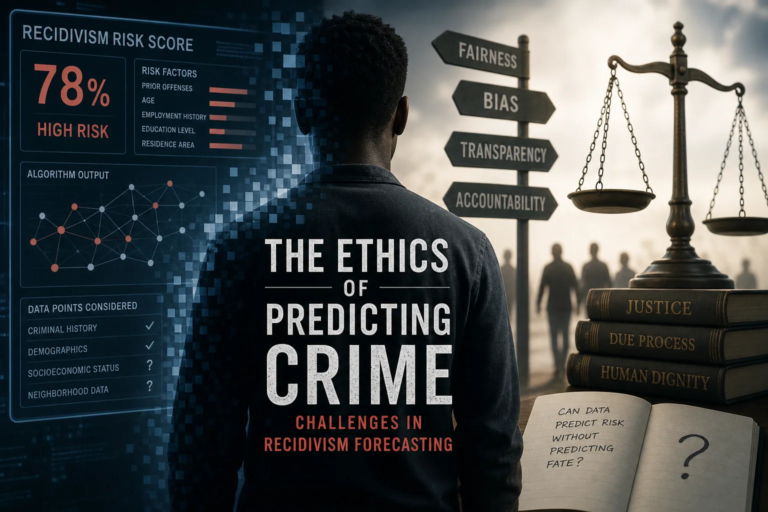
- The risk of mislabeling or stigmatizing individuals with profiles that might not be right.
- Privacy issues, like when profiling uses personal data or online behavior.
- The risk of bias in profiling, which can unfairly target certain groups.
To deal with these ethical worries, it’s key for psychological profiling experts to follow strict ethical rules. They should also keep updating their methods to make sure they’re fair and unbiased.
By facing and solving these challenges, criminal profiling can grow and get better. It will help law enforcement while keeping people’s rights and privacy safe.
Famous Cases Solved Through Profiling
Criminal profiling has been a game-changer in solving famous crimes. It gives us a deep look into how criminals think and act. This helps a lot in solving cases.
Profiling has helped solve big cases like the Unabomber and the Green River Killer. These examples show how profiling can catch criminals.
The Unabomber Case
Ted Kaczynski, known as the Unabomber, set off bombs for 20 years. He killed three and hurt 23. The FBI used profiling to find him.
They figured he was smart, maybe in math. They also looked at his writings. This narrowed down who it could be.
The Green River Killer
Gary Ridgway killed many women in Washington in the 80s and 90s. At first, they thought he was a white man in his 20s or 30s. He had a history of violence against women.
It took years to catch him. DNA and more profiling helped. The profiler’s work was key to catching Ridgway.
| Case | Profiling Techniques Used | Outcome |
|---|---|---|
| The Unabomber | Linguistic analysis, psychological profiling | Identification and capture of Ted Kaczynski |
| The Green River Killer | Behavioral analysis, DNA profiling | Arrest and conviction of Gary Ridgway |
These stories show how important profiling is in solving crimes. It gives law enforcement the tools they need to catch criminals.
Collaboration with Other Law Enforcement Agencies
Working together, different law enforcement agencies make criminal behavior analysis and offender profiling more accurate. They share resources and knowledge to solve tough cases better.
Collaboration involves many levels of law enforcement, from local police to federal agencies. Each level adds its own view and skills. This helps understand criminal activities better.
Local vs. Federal Agencies
Local police are usually the first to handle criminal cases. They start investigations and collect early evidence. Federal agencies, with their specialized resources, handle specific crimes. Working together, they ensure investigations are complete and follow all laws.
For example, when serial crimes span state lines, local and federal agencies team up. The FBI uses its offender profiling skills and access to large databases.
| Agency Level | Responsibilities | Specialized Resources |
|---|---|---|
| Local | Initial response, preliminary evidence collection | Community knowledge, local crime databases |
| Federal | Specialized investigations, interstate crimes | FBI databases, forensic expertise, legal jurisdiction |
Information Sharing
Sharing information is key to collaboration. Agencies exchange data on crimes and learn from each other’s criminal behavior analysis methods. New technologies and databases help a lot in this sharing.
The National Crime Information Center (NCIC) database is a great example. It lets agencies share and access crime and criminal information across the country. This sharing is essential for spotting patterns and connections between crimes.
The Future of Criminal Profiling
The future of criminal profiling is set to change a lot with new tech and methods. As we look ahead, several important changes will make it better and more precise.
Innovations on the Horizon
Several new things will change criminal profiling a lot. These include:
- Advanced Data Analytics: Big data and advanced analytics will help profilers look at lots of info quickly. This will make their profiles more accurate.
- Artificial Intelligence (AI): AI will spot patterns and links that humans might miss. This will make profiling better.
- Geographic Information Systems (GIS): GIS will keep being key in understanding where crimes happen. It helps investigators see the spatial side of crime.
Training and Education Improvements
As profiling gets better, so must the training for those in the field. Key areas to focus on are:
- Interdisciplinary Training: Training that mixes psychology, criminology, and law will become more common. This ensures profilers understand everything.
- Continuous Professional Development: Keeping up with new methods and tech is key. Ongoing education is vital.
- Ethical Considerations: Training will also cover the ethics of profiling. It’s important for profilers to know the impact of their work.
By adopting these new ideas and improving training, criminal profiling’s future will be marked by better accuracy, effectiveness, and ethics.
Misconceptions About Criminal Profiling
The public often misunderstands criminal profiling. Criminal profiling is a part of forensic psychology. It’s often shown wrongly in the media, causing many to believe it’s more than it is.
Breaking Common Myths
Many think profiling can find a criminal’s identity for sure. But, profiling is more art than science. It depends a lot on the profiler’s skills and how they see the evidence.
- Profiling is just one tool in investigations, not the only one.
- It’s not true that profilers can make a complete picture of a criminal from little evidence.
- Profiling doesn’t replace regular police work but helps it.
Some think profilers work alone, using only their gut. But, profiling is a team effort. It involves many experts from psychology, criminology, and forensic science working together.
Clarifying Misunderstandings
Some get confused by the terms used in profiling. For example, “psychological profiling” is often mixed up with “criminal profiling.” But, “psychological profiling” can mean more, like for non-criminal cases too.
- People think profiling uses set patterns too much, not looking at each case closely.
- There’s a belief that profiling can guess crimes before they happen or find future criminals. But, it can’t do that as well as people think.
Knowing the truth about forensic psychology and psychological profiling helps us see their real value in law enforcement. It also shows their limits.
Resources for Further Learning
If you’re interested in learning more about criminal profiling, there are many resources available. This field combines psychology, criminology, and law enforcement. It’s complex but fascinating.
Academic Literature and Journals
Books and journals provide deep insights into criminal profiling. Experts in the field share their knowledge through these resources. The Journal of Forensic Psychology and the Journal of Criminal Justice are great places to start.
Online Educational Resources
Online courses and workshops can help you understand criminal profiling better. The FBI’s Behavioral Analysis Unit offers training. These programs teach you from experienced professionals, improving your skills.
FAQ
What is criminal profiling, and how is it used in law enforcement investigations?
What are the different approaches to criminal profiling, and how do they differ?
How has technology impacted the field of criminal profiling?
What are some of the challenges faced by criminal profilers, and how are they being addressed?
Can criminal profiling be used to prevent crimes, or is it only used to solve crimes after they have been committed?
How do law enforcement agencies collaborate with each other in the use of criminal profiling?
What is the role of psychology in criminal profiling, and how do psychological assessments contribute to the profiling process?
What are some common misconceptions about criminal profiling, and how can they be clarified?
What resources are available for individuals who want to learn more about criminal profiling?
About the Author