Unlocking Potential: Exploring the Latest Trends in Assistive Technology for Learning Disabilities
Introduction
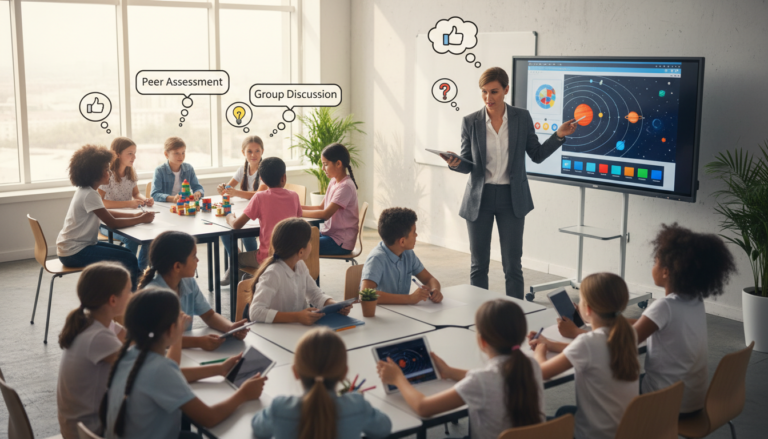
In an era where technology is reshaping the landscape of education, the concept of assistive technology for learning disabilities stands at the forefront of innovation and change. The importance of addressing learning disabilities has gained heightened awareness, and educators, parents, and policymakers are increasingly recognizing how technology can bridge gaps in learning and provide equitable educational opportunities. In this article, we will delve into Exploring the Latest Trends in Assistive Technology for Learning Disabilities, highlighting transformative technologies and the impact they have on the lives of students who navigate these challenges.
The Shift Toward Inclusive Technology
Understanding Learning Disabilities
Learning disabilities affect how individuals process information and can hinder academic performance, social interactions, and self-esteem. Specific learning disabilities include dyslexia, dyscalculia, and dysgraphia, among others. The landscape of education is evolving, and understanding these disabilities is crucial for developing targeted assistive technologies.
The Role of Assistive Technology
Assistive technology encapsulates tools and devices specifically designed to aid individuals facing challenges. As we explore the latest trends in this realm, it’s essential to consider how these technologies are tailored to meet the diverse needs of learners with disabilities.
Current Trends in Assistive Technology for Learning Disabilities
1. Speech Recognition Software
Speech recognition technology is evolving rapidly and becoming increasingly accessible. Tools like Google’s Voice Typing and Dragon NaturallySpeaking allow students to transform their spoken words into text, alleviating challenges faced by those with writing difficulties such as dysgraphia.
Case Study: Sarah’s Journey with Speech Recognition
Sarah, a sixth-grader with dysgraphia, struggled with writing assignments. After her school implemented voice recognition software, she harnessed the power of her voice, significantly improving her ability to express her thoughts. By removing the physical difficulty of writing, Sarah’s grades and confidence soared.
2. Text-to-Speech Tools
Text-to-speech (TTS) technology is not new, but its sophistication has grown. Programs like Read&Write and NaturalReader assist learners by converting written text into spoken language, helping students with dyslexia and visual impairments to better comprehend material.
Analysis of the TTS Impact
Consider a classroom scenario where a student is assigned a lengthy reading. With TTS tools, the student can absorb the information auditorily, allowing for a more engaged learning experience. Research shows that TTS can improve reading fluency and comprehension, making it a crucial asset in learning environments.
3. Augmented Reality and Virtual Reality
Augmented Reality (AR) and Virtual Reality (VR) are emerging as powerful tools in education. They immerse students in interactive environments that make learning more engaging. For students with learning disabilities, these technologies can offer tailored experiences that cater to various learning styles.
Case Study: Virtual Learning with AR/VR
A special education class used VR technology to simulate real-world scenarios, such as grocery shopping and math calculations. The immersive experience helped students with dyscalculia practice their math skills in a practical setting, leading to improved confidence in their abilities.
4. Gamification of Learning
Gamification integrates game elements into educational content, making learning enjoyable and rewarding. Educational platforms that utilize gamification have shown promise in motivating students with learning disabilities to engage more actively in their education.
Analysis of Gamification’s Influence
When students with learning disabilities face traditional educational environments that may feel isolating, gamification can change the dynamic. Research indicates that game-based learning strategies improve engagement and retention among students with diverse learning needs.
5. Personalized Learning Plans Powered by AI
Artificial Intelligence (AI) is transforming how educators create personalized learning experiences. Programs driven by AI analyze a student’s strengths and weaknesses, adapting content accordingly. This level of customization is particularly valuable for addressing the diverse needs in a classroom setting.
Case Study: AI in Action at Oakwood Academy
At Oakwood Academy, AI-driven software evaluated each student’s performance in real-time and offered personalized resources. One student, Mark, found the personalized reading material tailored to his interests significantly improved his engagement and comprehension, highlighting the efficacy of technology in supporting learning.
Barriers to Access and Implementation
Addressing Technological Gaps
Despite the advances in assistive technology, barriers still exist. Not every school has the resources required to implement these technologies, nor do all instructors have training to effectively integrate them into their lessons.
Importance of Teacher Training
Training educators to use assistive technologies effectively is paramount. Teachers equipped with knowledge about these tools can better support their students’ needs. A professional development course on assistive technologies can empower teachers to use these resources creatively and effectively.
Future Directions in Assistive Technology
Collaborative Tools for Empowering Students
As we continue Exploring the Latest Trends in Assistive Technology for Learning Disabilities, collaboration is becoming vital. Collaborative tools, such as Google Workspace, allow students to work together on projects while utilizing assistive features—fostering teamwork and communication skills.
The Influence of Mobile Apps
Mobile applications are making significant strides in the assistive technology space. Apps like ModMath and Dyslexic Advantage help students manage tasks and learn in a manner that aligns with their strengths—making learning a more fluid process.
The Rise of Wearable Technologies
Even wearable technology is stepping into the world of assistive tech. Devices that track attention and focus can provide educators with insights about when students are most engaged or struggling.
Conclusion
The landscape of education is changing rapidly, particularly for learners with disabilities. By Exploring the Latest Trends in Assistive Technology for Learning Disabilities, we see how innovative tools empower students, enrich their learning experiences, and promote inclusivity. The advancements in technology not only provide solutions but also foster a renewed sense of hope and possibility for students who face learning challenges.
As we look forward, the integration of these technologies into the educational system will ensure that every learner has the tools they need to succeed. Embracing these advancements will set the stage for unparalleled growth and achievement for students with learning disabilities.
FAQs
1. What is assistive technology for learning disabilities?
Assistive technology refers to devices or software designed to help individuals with learning disabilities overcome challenges in learning. This can include text-to-speech software, speech recognition tools, and interactive learning applications.
2. How effective is assistive technology in improving learning outcomes?
Research indicates that assistive technology can significantly enhance learning outcomes by providing tailored support and accommodations. Tools that cater to individual needs allow students to engage more effectively with content.
3. Are there financial supports available for assistive technology?
Many states and organizations offer grants or funding for assistive technology. It’s essential to consult with educational specialists or advocacy groups to identify available resources.
4. Can assistive technology be used in any classroom?
Yes! Many assistive technologies can be integrated into diverse learning environments. However, it’s crucial that teachers have proper training to utilize these tools effectively.
5. What are some examples of assistive technology for students with dyslexia?
Some beneficial tools for students with dyslexia include text-to-speech software, audiobooks, word prediction programs, and apps that focus on phonics and reading fluency.
By keeping a finger on the pulse of trends and innovations, we can continually adapt and support learners in reaching their full potential.
About the Author


Dr. Leah Howard, Positive Psychology
Dr. Howard is a researcher and advocate for positive psychology, focusing on human strengths, happiness, and well-being. Her writings explore how people can cultivate a positive mindset, improve resilience, and develop emotional intelligence to live fulfilling lives.