Creative Solutions: Engaging Lesson Plans for Children with Unique Learning Needs
Introduction
In today’s diverse classroom settings, educators are tasked with a monumental challenge: engaging students with unique learning needs. These learners, who may experience difficulties such as dyslexia, ADHD, autism spectrum disorders, and other specific learning disabilities, require more than just traditional lesson plans. They need Creative Solutions: Engaging Lesson Plans for Children with Unique Learning Needs—approaches that not only capture their attention but also cater to their distinct ways of processing information. By employing innovative strategies and inclusive teaching practices, educators can transform learning environments into spaces where all children thrive.
The Importance of Engaging Lesson Plans
Understanding Unique Learning Needs
Children with unique learning needs often exhibit varied ways of thinking and learning. Recognizing this diversity is the first step toward creating an engaging lesson plan. Teachers must understand the specific challenges their students face, which can range from sensory overload and difficulty with verbal instructions to the need for more interactive or visual learning opportunities.
Why Engagement Matters
Engagement is crucial because it drives motivation, which in turn enhances comprehension and retention. An engaged student is more likely to participate, ask questions, and retain information. For children with unique learning needs, lack of engagement can lead to feelings of frustration and failure, ultimately impacting their self-esteem.
Creative Solutions for Unique Learners
Flexible Learning Environments
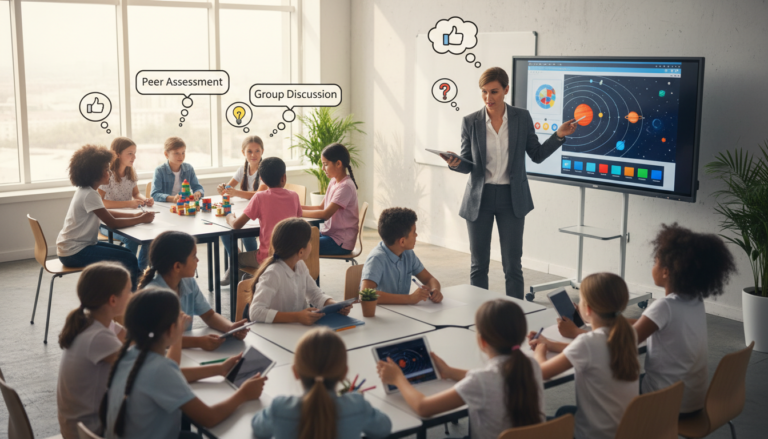
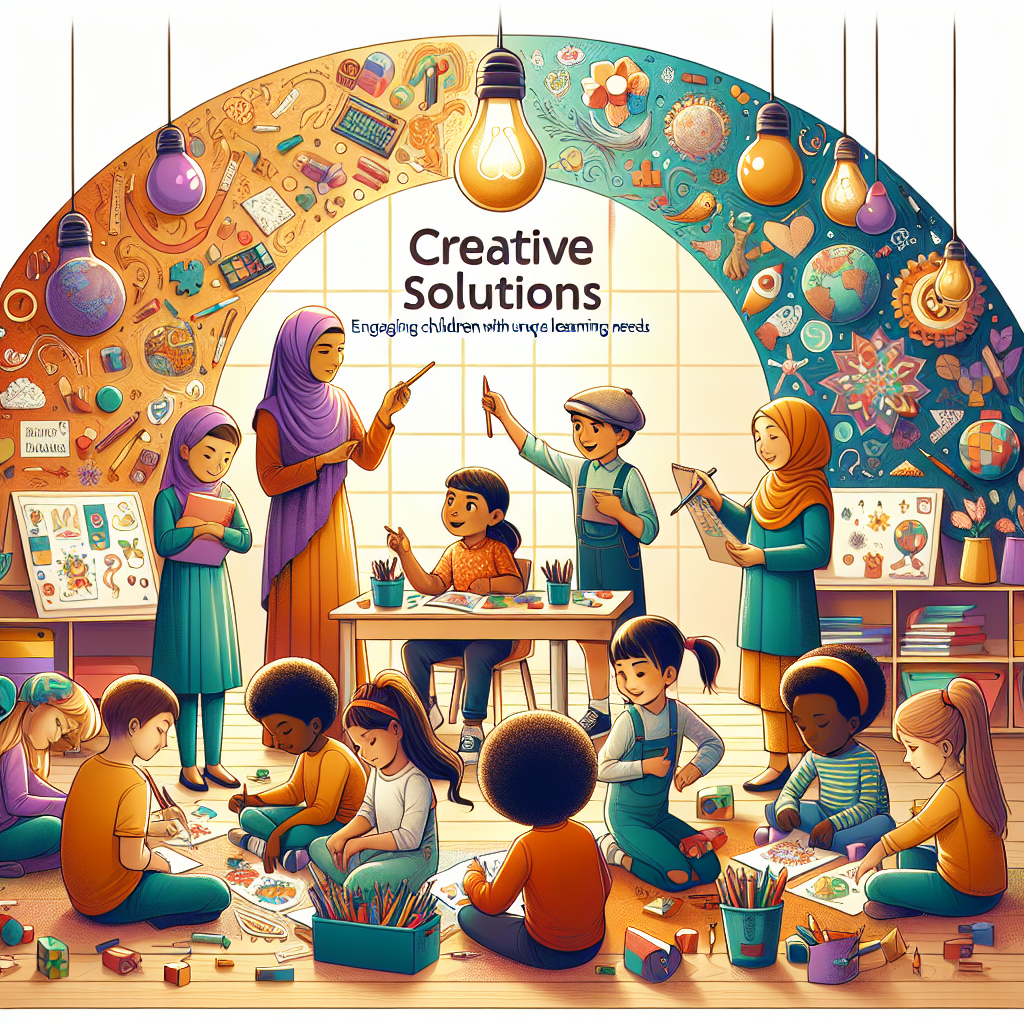
Creating a flexible learning space is one of the Creative Solutions: Engaging Lesson Plans for Children with Unique Learning Needs. This can include arranging desks to promote collaboration or providing quiet zones for students who are easily distracted.
Case Study: Flexible Classroom Design
In a school in California, a teacher redesigned her classroom into various zones—each tailored to different learning modes. During a science unit, students could choose between a quiet reading corner, a hands-on experimentation station, or a collaborative workspace. The result? An increase in engagement and a reduction in behavioral issues.
Multisensory Instruction
Incorporating different sensory modalities is another effective approach. Multisensory instruction combines visual, auditory, and kinesthetic activities to help students grasp complex concepts better.
Case Study: A Multisensory Reading Program
In a pilot program in Ohio, educators used a multisensory reading curriculum designed for students with dyslexia. By integrating visual aids, auditory stories, and tactile letter formations, student reading levels improved significantly. Teachers noted increased participation during lessons, which was attributed to the engaging, hands-on approaches.
Gamification of Learning
Gamification integrates game elements into learning activities. This approach not only makes learning more fun but also motivates students to experience educational materials in an engaging manner.
Case Study: The Game-Based Learning Model
At a school in New York, a gamified math curriculum was implemented for students with learning disabilities. By using point systems, levels, and challenges, math participation surged, and students developed a more profound interest in subjects they previously dreaded.
Differentiated Instruction
Differentiated instruction involves tailoring teaching environments and practices to accommodate different learners’ needs. This approach allows teachers to present lessons in a variety of ways, addressing multiple intelligences.
Case Study: Tailored History Lessons
In a middle school history class, educators developed lesson plans focused on the same overall theme but differentiated by complexity and method. Students could choose projects that appealed to their strengths—some wrote a report, while others created an art piece or presented a skit. Engagement skyrocketed as students had autonomy over their learning process.
Practical Lesson Plan Ideas
Thematic Learning Units
Thematic learning units can engage students by linking multiple subjects under one cohesive theme. For instance, a unit on “Space Exploration” could combine science, history, and art through interactive activities.
Project-Based Learning (PBL)
Project-based learning encourages students to work on long-term problems, incorporate their interests, and engage with real-world applications. This method is particularly beneficial for students with unique learning needs as it promotes collaboration and meaningful learning experiences.
Tables and Charts
| Strategy | Benefits for Students with Unique Needs | Example Activity |
|---|---|---|
| Flexible Learning Environments | Reduced anxiety; improved focus | Creating quiet zones |
| Multisensory Instruction | Enhanced retention; varied engagement | Using tactile reading tools |
| Gamification | Increased motivation and participation | Math challenges with rewards |
| Differentiated Instruction | Personalized learning experiences | Varied project options |
Conclusion
Creating Creative Solutions: Engaging Lesson Plans for Children with Unique Learning Needs is essential for fostering an inclusive learning environment. By understanding the specific challenges of unique learners and implementing innovative strategies—such as flexible classroom designs, multisensory instruction, gamification, and differentiated instruction—educators can make a significant impact. As we strive to engage every child in the learning process, we empower them to discover their strengths, overcome challenges, and reach their full potential.
FAQs
1. What are unique learning needs?
Unique learning needs refer to the educational requirements of students who face challenges in learning due to disabilities or differences in their learning processes.
2. Why is engagement important in education?
Engagement is vital because it motivates students, encourages participation, and leads to better retention of information.
3. How can I create a flexible learning environment?
You can create flexible learning environments by rearranging furniture for collaboration, providing quiet zones, and using various teaching modalities.
4. What is multisensory instruction?
Multisensory instruction integrates visual, auditory, and kinesthetic activities to enhance learning experiences and retention.
5. How do gamified lessons work?
Gamified lessons integrate game elements such as rewards and challenges into educational activities, making learning more enjoyable and engaging.
6. What is differentiated instruction?
Differentiated instruction tailors teaching methods and materials based on students’ individual learning styles and needs, promoting personalized learning experiences.
This comprehensive approach to Creative Solutions: Engaging Lesson Plans for Children with Unique Learning Needs not only equips educators with practical strategies but also inspires them to innovate in their teaching practices. By prioritizing engagement and implementing targeted solutions, we can make a lasting impact on our students’ educational journeys.
About the Author