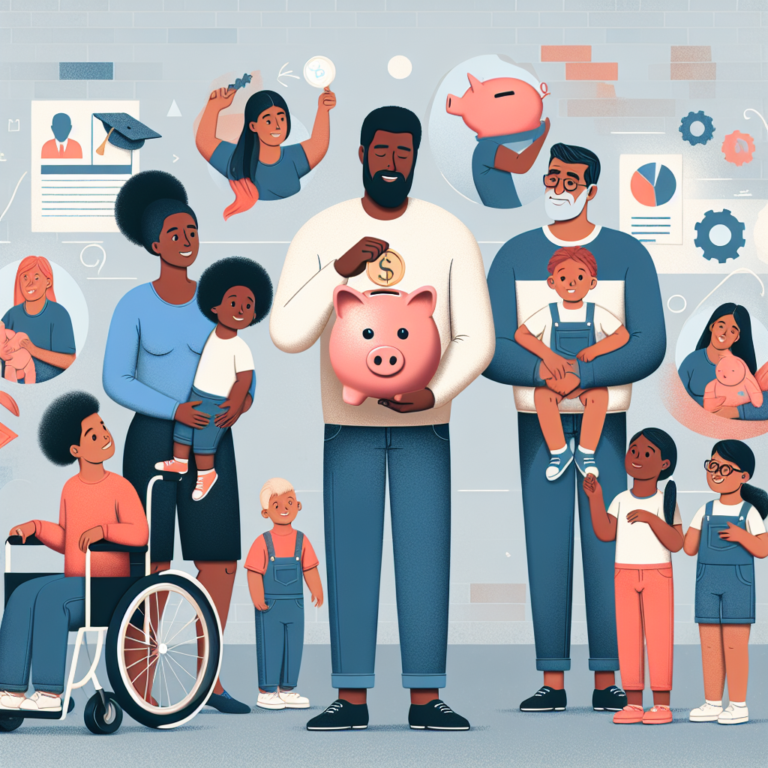
Introduction: The Heart of Family Dynamics
In today’s fast-paced world, family relationships often take a backseat to our busy lives. However, the essence of family matters significantly hinges on one critical aspect: communication. Just as oxygen fuels fire, effective communication fuels strong family ties. This exploration of Family Matters: The Role of Communication in Fostering Stronger Relationships will delve deep into how communication shapes familial bonds, enhances understanding, and ultimately leads to more harmonious relationships.
Understanding the Value of Communication in Families
Communication is not merely about exchanging words; it’s about the feelings, emotions, and intentions behind those words. In the family context, each member’s voice matters, and open dialogues can turn challenges into stepping stones for growth. Let’s examine various dimensions of communication within families and discover how fostering better communication can lead to stronger relationships.
The Foundations of Family Communication
1. Active Listening: The Cornerstone of Understanding
Active listening is one of the most vital skills in any relationship. It involves truly engaging with what the other person is saying, thereby signaling respect and validation. In families where members feel heard, relationships flourish.
Case Study: The Johnson Family
The Johnson family struggled with ongoing conflicts among siblings. After attending a family communication workshop focused on active listening, they learned to paraphrase and clarify each other’s points during discussions. This technique not only reduced misunderstandings but also fostered deeper emotional connections.
Analysis of the Johnson Family’s Experience
This case underlines the importance of active listening as a fundamental communication tool. By implementing structured conversations, families can avoid emotional logjams that arise from misinterpretation or neglected feelings.
2. Non-Verbal Communication: Reading Between the Lines
Communication isn’t limited to words. Body language, facial expressions, and tone of voice often convey more than spoken language. Recognizing and understanding non-verbal cues can significantly enhance familial interactions.
Table 1: Common Non-Verbal Cues and Their Meanings
| Cue | Meaning |
|---|---|
| Crossed arms | Defensive or closed-off |
| Maintaining eye contact | Attentiveness and confidence |
| Fidgeting | Nervousness or discomfort |
In families, being responsive to these cues can help clarify misunderstandings and enrich conversations.
3. Conflict Resolution: Navigating Stormy Waters
Disagreements and conflicts are natural in any family setting. However, the approach to resolving these conflicts defines the strength of those relationships. Good communication strategies enable families to work through issues constructively rather than destructively.
Case Study: The Smith Family
The Smiths often found arguments escalating into hurtful words. After learning conflict resolution techniques that stress “I” statements and collective brainstorming, they managed to dissipate tension and arrive at solutions that satisfied all parties involved.
Analysis
The Smith family’s journey illustrates that communication during conflicts doesn’t have to lead to discord. Instead, when approached with clear intentions and respect, conflict can catalyze relationship strengthening.
Enhancing Family Communication
1. Regular Family Meetings: Building a Communication Routine
Establishing regular family meetings can provide a structured platform for dialogue. These sessions offer a consistent opportunity to voice concerns, celebrate achievements, and plan for the future.
Benefits of Family Meetings:
- Encourages open dialogue
- Helps in addressing issues before they escalate
- Reinforces family unity and support
2. Digital Communication: A Double-Edged Sword
In an era dominated by technology, digital communication has its advantages and challenges. While texts and social media can facilitate quick check-ins, they may also lead to misunderstandings. Families should strive to balance digital interactions with in-person conversations to maintain a genuine connection.
3. Creating an Emotional Safe Space
For effective communication, it’s vital to foster an environment where family members feel safe expressing their thoughts and feelings without fear of judgment. Open discussions about emotional well-being can cultivate empathy and understanding.
Inspiring Change: Practical Tips to Enhance Communication
Practice Empathy: Encourage family members to express feelings openly, and take time to understand different perspectives.
Reinforce Positive Communication: Recognize and appreciate instances of effective communication to instill a habit of positivity.
Create a Family Mission Statement: A collective agreement on values can serve as a guide for family interactions.
Engage in Activities Together: Shared experiences provide organic opportunities for communication.
- Encourage Questions: Foster an atmosphere where curiosity is embraced, allowing each family member to explore and understand each other better.
Conclusion: Empowering Family Bonds Through Communication
In exploring Family Matters: The Role of Communication in Fostering Stronger Relationships, it becomes evident that the bedrock of any strong family unit is built on effective communication. From active listening to resolving conflicts, the ways in which we converse shape our emotional landscapes. By prioritizing communication, families not only resolve misunderstandings but also nurture love, respect, and togetherness.
As you reflect on your familial interactions, consider taking actionable steps towards enhancing communication. Whether it’s dedicating time for family meetings, practicing empathy, or simply listening more actively, the rewards are boundless. Remember, stronger relationships begin with a single conversation.
FAQs
1. What is the most important aspect of family communication?
The most important aspect is active listening, as it fosters understanding and validates each member’s feelings, setting a strong foundation for healthy interactions.
2. How can we encourage open communication at home?
Creating an emotional safe space, regularly engaging in family meetings, and avoiding judgmental responses can significantly promote openness.
3. Are digital communications harmful to family relationships?
They can be both beneficial and harmful. While they facilitate quick connections, they often lack the depth of face-to-face dialogue. Balance is crucial.
4. How can we handle conflicts effectively?
Using “I” statements, remaining calm, and focusing on finding solutions rather than assigning blame can help navigate conflicts productively.
5. How can regular family check-ins improve our relationships?
Regular check-ins offer a structured time to discuss feelings and address issues before they escalate, reinforcing unity and support among family members.
By re-evaluating and prioritizing communication, families can build resilient bonds that withstand life’s challenges, proving that indeed, family matters.
About the Author