From Fury to Focus: Transforming Anger with Effective Management Techniques
Introduction
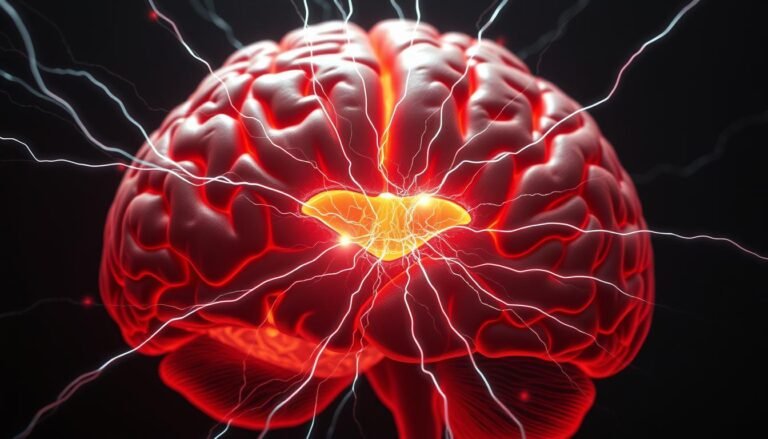
Anger is a natural human emotion, often arising in response to perceived threats or injustices. However, when left unchecked, it can lead to profound negative consequences, both personally and professionally. The journey from fury to focus is not just about suppressing this intense emotion; it’s about channeling it effectively to spur personal growth and enhance interpersonal relationships. The relevance of anger management has surged in recent years, with increasing recognition of mental health’s critical role in our overall well-being. In this article, we will explore effective management techniques designed to transform anger into a focused, constructive force.
Understanding Anger: The Emotional Spectrum
What is Anger?
Anger can be understood through a psychological lens as a complex emotional response triggered by frustration, hurt, or threats. It functions as an alarm system, informing us that something is amiss in our environment.
The Spectrum of Emotions
| Emotion | Description | Trigger |
|---|---|---|
| Anger | Intense feeling of frustration | Injustice, betrayal |
| Irritation | Mild form of anger | Everyday hassles (traffic) |
| Rage | Extreme anger | Deep betrayal or trauma |
The Role of Anger
While often perceived as destructive, anger can be constructive when harnessed properly. It can motivate change, fuel passions, and drive us toward justice. To experience this transformation, we must first acknowledge our anger without judgment.
The Transition from Fury to Focus
The First Step: Acknowledge Your Anger
Acknowledgment involves recognizing your feelings without denial. It’s essential to ask yourself what specifically triggered your anger. A simple journaling practice can help you articulate these feelings.
Case Study: Martha’s Journey
Martha was a mid-level manager who often felt overwhelmed by her team’s inefficiencies. Instead of voicing her frustration constructively, she would explode during meetings, creating a toxic work environment.
After recognizing her patterns, she began to journal her thoughts post-meeting, highlighting the triggers for her anger. This acknowledgment not only helped her cool down but also provided a roadmap for focused discussions moving forward.
Recognizing Triggers: Mapping Your Anger
Understanding what sets off your anger is crucial. This involves self-reflection and possibly discussing with trusted friends or a counselor.
Common Triggers
- Injustice: Perceived unfair treatment at work or in relationships.
- Frustration: Situations where expectations are not met.
- Stress: Overwhelming responsibilities that lead to emotional outbursts.
Creating a Trigger Map
| Trigger | Your Response | Resulting Emotion |
|---|---|---|
| Workplace politics | Yelling | Guilt, shame |
| Delays in traffic | Road rage | Anxiety, frustration |
| Family disagreements | Silent treatment | Isolation, resentment |
By mapping your triggers, you can identify patterns that lead to anger, setting the stage for focused management strategies.
Empowering Techniques for Anger Management
1. Mindfulness and Meditation
Mindfulness encourages emotional regulation by promoting self-awareness. Regular meditation allows individuals to observe their thoughts critically rather than react impulsively.
Case Study: James’ Transformation
James, an IT consultant, utilized mindfulness techniques after recognizing that stress triggered his fury during project deadlines. Incorporating a daily 10-minute meditation, he reported better control over his responses, resulting in improved team dynamics.
2. Physical Activity
Exercise acts as a natural stress reliever, flushing out adrenaline and endorphins. Activities such as running, yoga, or even brisk walking can significantly alter our emotional landscapes.
| Activity | Emotional Benefit | Frequency Recommendation |
|---|---|---|
| Running | Releases pent-up energy | 3 times a week |
| Yoga | Enhances mental clarity | 2 times a week |
| Dancing | Increases joy | Anytime you feel angry |
3. Communication Skills
Practicing constructive communication can alleviate misunderstandings that often lead to anger. Techniques like "I" statements can help express feelings without placing blame.
Case Study: Linda’s Breakthrough
Linda, a schoolteacher, frequently faced angry confrontations with parents. By adopting "I" statements—such as "I feel frustrated when deadlines are missed"—she transformed contentious meetings into productive conversations, maintaining a focus on finding solutions.
Practical Tools for Anger Management
Journaling
Journaling serves as an emotional release. It offers an avenue to express anger without judgment and can illuminate patterns over time.
Breathing Techniques
Deep breathing exercises can ground you when faced with immediate anger. Techniques such as the 4-7-8 method enhance calmness and focus.
| Technique | Steps |
|---|---|
| 4-7-8 Breathing | Inhale for 4 seconds, hold for 7, exhale for 8 seconds. |
Professional Support
For those struggling with chronic anger issues, consulting a mental health professional is advisable. Therapists can provide personalized strategies and techniques tailored to individual needs.
Conclusion
Transforming anger from fury to focus is achievable with consistent effort and the right tools. This journey enhances not only personal well-being but also fosters healthier relationships. As you integrate the techniques outlined, remember that anger, when managed effectively, can be harnessed to drive positive change.
Key Takeaways
- Acknowledge your anger without judgment.
- Recognize triggers to facilitate introspection and management.
- Explore mindfulness, physical activity, and improved communication to channel anger constructively.
As you embrace the process, let every instance of anger remind you of your strength and potential for growth.
FAQs
1. What are the first steps in managing anger effectively?
Start by acknowledging your feelings and recognizing triggers. Consider journaling or discussing your feelings with a trusted individual.
2. How does mindfulness help with anger management?
Mindfulness promotes emotional awareness and control, enabling you to respond thoughtfully rather than react impulsively.
3. Is anger always a negative emotion?
No, anger can serve as a catalyst for change. When channeled properly, it can motivate growth and constructive actions.
4. What if my anger feels uncontrollable?
If you find your anger overwhelming, seeking professional support from a therapist can provide tailored strategies and coping mechanisms.
5. Can exercise really help with managing anger?
Absolutely! Physical activity releases endorphins and reduces stress, significantly improving emotional well-being and management of anger.
In a world increasingly filled with complexities, the ability to transform anger into focus creates opportunities for both personal and professional success. By adopting effective management techniques, you empower yourself to channel this powerful emotion toward positive outcomes. Embrace the journey from fury to focus—your best self awaits!
About the Author