Introduction
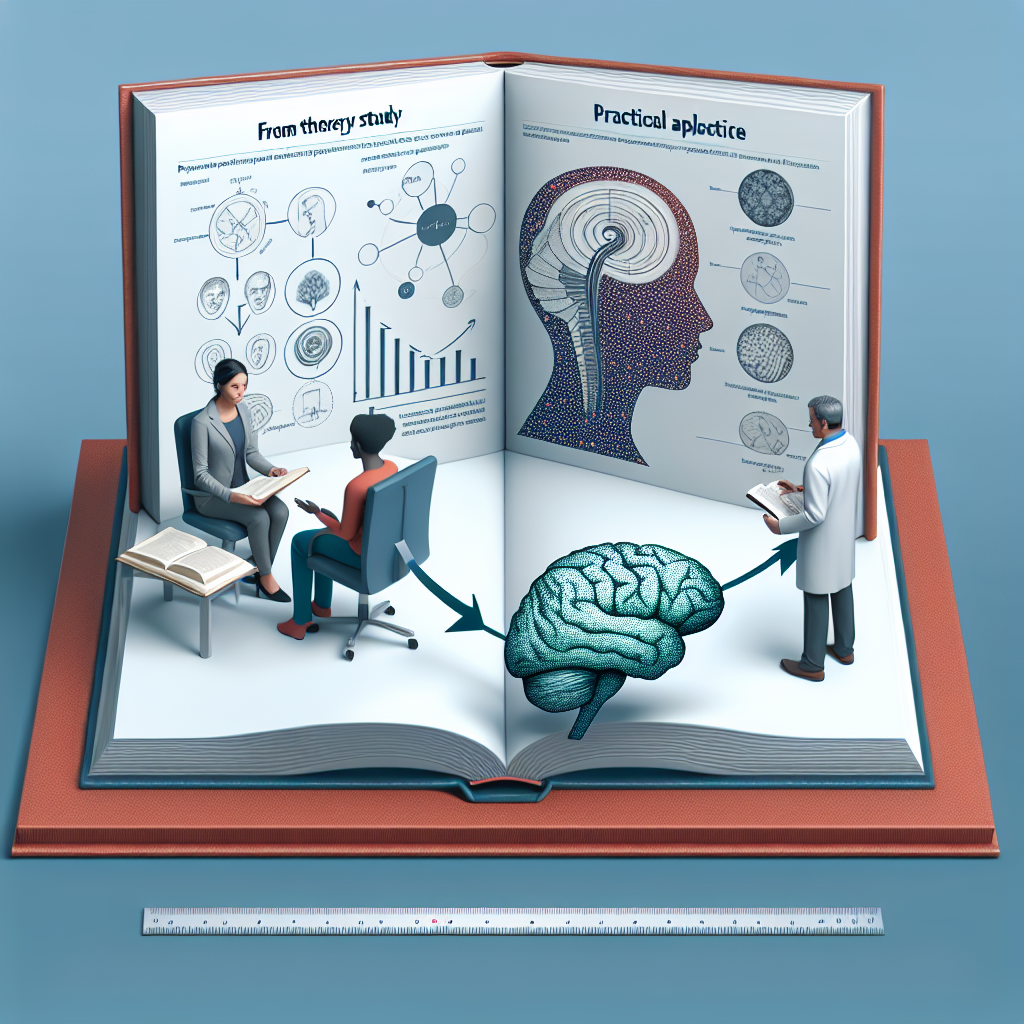
Imagine stepping into a therapy session where the therapist not only understands your feelings but also uses data-driven insights to tailor the session to your specific needs. Welcome to the realm of psychometrics in clinical psychology! This exciting field is transforming the way we approach mental health, marrying intricate theory with practical applications. From Theory to Practice: The Application of Psychometrics in Clinical Psychology is more than just a phrase; it’s a guiding principle that brings structure, consistency, and measurable outcomes to therapeutic practices.
In a world where mental health issues are on the rise, the ability to objectively measure psychological constructs—such as personality, intelligence, and emotional stability—is not just beneficial but essential. This article will delve deeply into how psychometrics are applied in clinical settings, with case studies that provide clarity and real-world context.
Understanding Psychometrics: The Foundation
What is Psychometrics?
Psychometrics is the science of measuring mental capacities and processes. It encompasses a wide range of techniques to quantify psychological traits, offering quantifiable assessments that can lead to individualized therapeutic approaches. The cornerstone of psychometrics lies in its foundation: robust theoretical frameworks that enable the creation of reliable and valid measurement tools.
Key Components of Psychometric Assessment
- Reliability: Refers to the consistency of a measure. A reliable psychometric test should yield the same results under consistent conditions.
- Validity: This is about accuracy; a test must measure what it claims to measure. Several types of validity exist, including construct validity, content validity, and criterion-related validity.
- Norms: Test results are often compared against a normative group, providing valuable context for individual scores.
Table 1: Overview of Psychometric Properties
| Component | Description |
|---|---|
| Reliability | Consistency of measurement |
| Validity | Accuracy of what is measured |
| Norms | Comparative benchmarks |
From Theory to Practice: Psychometric Instruments
Personality Assessments
One of the most prevalent applications of psychometrics in clinical psychology is in the use of personality assessments. Instruments like the Minnesota Multiphasic Personality Inventory (MMPI) and the NEO Personality Inventory are grounded in extensive research. These tools provide a structured way to understand an individual’s personality traits, leading to more tailored therapeutic interventions.
Case Study: The MMPI in Bipolar Disorder Assessment
A clinical psychologist, Dr. Smith, uses the MMPI to assess her client, who has been diagnosed with bipolar disorder. The MMPI reveals elevated scores in certain areas, suggesting impulsivity and elevated mood. This information does not only help Dr. Smith understand the emotional states but also enables her to implement specific cognitive behavioral strategies that target these high-risk behaviors.
Analysis: This case study exemplifies the real-world application of psychometrics in clinical settings, showcasing how assessments can guide treatment planning and enhance outcomes.
Intelligence Testing
Despite controversy surrounding its implications, intelligence testing remains a powerful tool in clinical psychology. Tests such as the Wechsler Adult Intelligence Scale (WAIS) provide insights into cognitive functioning. The data gathered can inform not only therapeutic approaches but also educational or occupational interventions.
Case Study: WAIS in Neuropsychological Rehabilitation
A neuropsychologist, Dr. Chen, administers the WAIS to a patient recovering from a stroke. The results indicate specific areas of cognitive decline. By integrating this data, Dr. Chen structures his rehabilitation program around enhancing the patient’s strengths while addressing their challenges.
Analysis: This case not only underscores the application of psychometrics but also highlights its role in multi-disciplinary approaches to treatment.
The Transitioning Techniques: Bridging the Gap
Collaborative Assessments
In the traditional model of clinical psychology, assessments often take place in silos. However, the new paradigm emphasizes collaborative assessments where clients actively participate in understanding their own psychometric evaluations. This model has shown to increase clients’ engagement and ownership of their therapeutic journey.
Technology-Driven Solutions
The integration of technology is driving the evolution of psychometrics in clinical settings. Digital platforms can now administer assessments quickly, analyze results in real-time, and adapt therapy plans accordingly. Tools like mobile apps that provide ongoing assessments allow for continuous monitoring of symptoms and progress.
From Theory to Practice: Therapeutic Implications of Psychometrics
Tailored Interventions
The primary benefit of psychometric assessments is the ability to create tailored interventions. By understanding an individual’s psychological profile, psychologists can deliver strategies that resonate more profoundly.
Enhanced Outcome Measurements
Psychometrics facilitates a structured approach to measuring therapy outcomes. Pre- and post-treatment assessments can illustrate the effectiveness of interventions while providing valuable feedback loops.
Conclusion
From Theory to Practice: The Application of Psychometrics in Clinical Psychology is a crucial aspect of modern therapeutic practices. The marriage of theory and real-world application leads to more efficient, ethical, and impactful therapy. By embracing psychometrics, clinicians are not only equipping themselves with robust tools but are also enhancing the overall quality of care for their clients.
In your journey through mental health, remember that understanding yourself through psychometrics could be the key to unlocking a healthier mind. Let the data guide you; your mental health is worth measuring!
FAQs
1. What are the common psychometric tests used in clinical psychology?
Common tests include the MMPI, WAIS, NEO Personality Inventory, and Beck Depression Inventory. Each serves a unique purpose based on the client’s goals.
2. How reliable are psychometric assessments?
When properly validated, psychometric assessments have high reliability. However, individuals should consider them as part of a comprehensive evaluation that includes qualitative data.
3. Are psychometric tests culturally biased?
Some tests face criticism regarding cultural bias. It is essential to choose assessments that have been normed across diverse populations.
4. How can psychometrics improve outcome measurement in therapy?
Psychometrics allows for objective baseline measures that can be compared over time, helping therapists evaluate progress and modify interventions as needed.
5. Can psychometric assessments replace clinical judgment?
No, psychometric assessments should complement clinical judgment, not replace it. They provide structured insights but should be interpreted with a holistic understanding of the client.
In summary, the application of psychometrics in clinical psychology signifies a shift toward data-informed, individualized care innovations. As more practitioners leverage these tools, the landscape of mental health treatment can only become richer and more effective.
About the Author


The PsyForU Editorial Collective is the research and editorial team of PsyForU Research International. The collective prepares educational, psychological, mental-health-awareness, inclusion, neurodiversity, and research-methodology content for students, parents, educators, researchers, and general readers. PsyForU content is intended for awareness, education, and capacity-building and should not be treated as clinical diagnosis, therapy, medical advice, legal advice, or emergency mental-health support.