Introduction
Imagine a young child gazing into the mirror, feeling an unsettling disconnect between who they are on the inside and the image reflected back at them. This profound mismatch is known as gender dysphoria, a complex condition that affects individuals across their lifespan. Understanding gender dysphoria is essential not just for the individuals experiencing it but also for families, educators, and communities striving to support and affirm diverse identities.
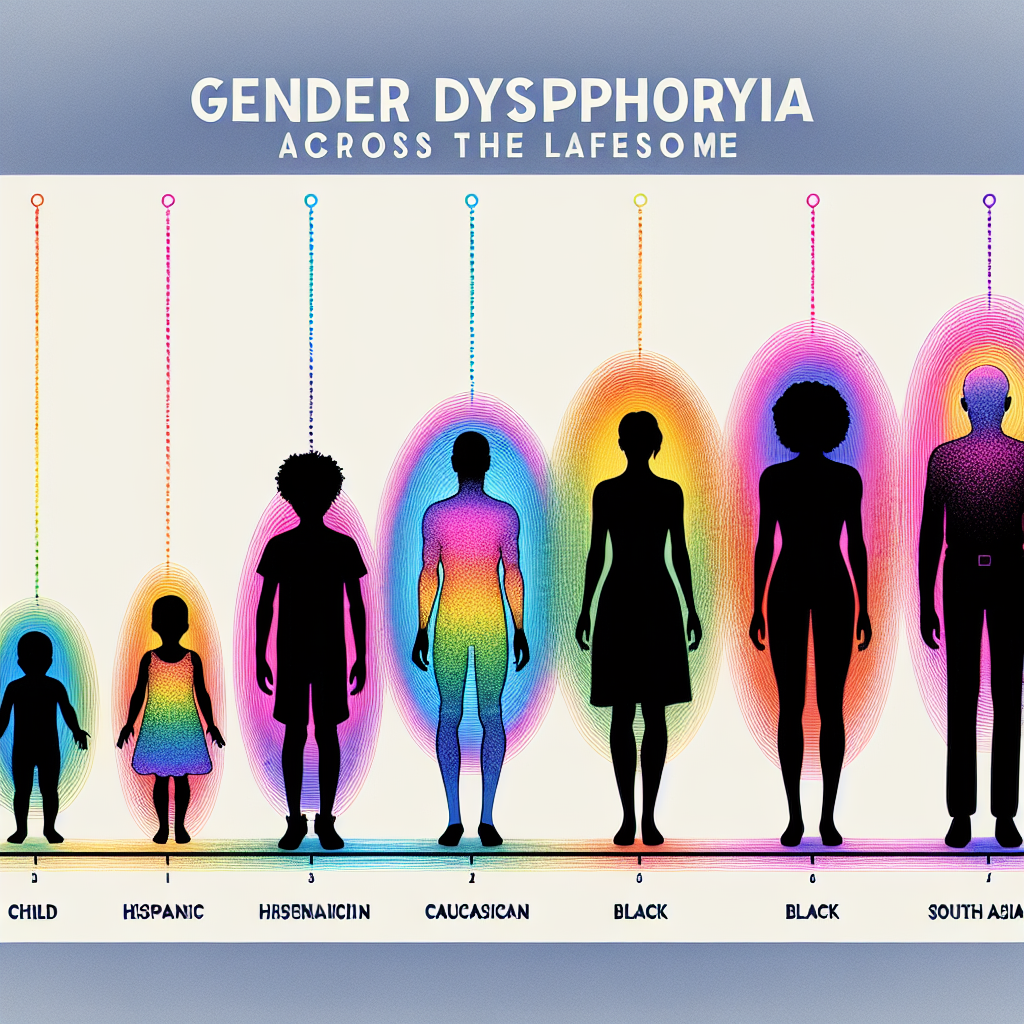
In this article, "Gender Dysphoria Across the Lifespan: Experiences from Childhood to Adulthood," we will explore the multifaceted experiences associated with gender dysphoria from childhood through adulthood. We will examine emotional narratives, pivotal experiences, and how changes across developmental stages affect those living with this condition. By sharing case studies, insights, and expert analyses, we aim to shine a light on both the challenges and triumphs of individuals navigating gender dysphoria during their growth journey.
Understanding Gender Dysphoria
Defining Gender Dysphoria
Gender dysphoria is characterized by significant discomfort or distress stemming from a discrepancy between a person’s experienced or expressed gender and the gender assigned to them at birth. This condition can manifest both psychologically and socially, leading individuals to seek various forms of support, validation, or transition to align their physical identity with their gender perception.
Prevalence and Early Signs
Research indicates that awareness of gender identity can occur as early as age three or four. Symptoms may include a strong preference for toys and activities typically associated with the opposite gender, a desire to be called by a different name, or heightened distress when faced with expectations tied to the assigned gender. Recognizing these early signs can be crucial for intervention and support.
Table 1: Early Signs of Gender Dysphoria in Children
| Age Range | Possible Indicators |
|---|---|
| 3-5 years | Preference for clothing/toys associated with the opposite gender; expressing desires to be of a different gender |
| 6-12 years | Persistent statements about being the opposite gender; discomfort with physical features associated with assigned gender |
| 13-18 years | Increased awareness and expression of gender identity; seeking community or social support for their gender identity |
Experiences in Childhood
The Early Years: Recognition and Expression
Children experiencing gender dysphoria often grapple with confusion and fear during their early years. The societal norms surrounding gender can create a difficult landscape, leading to feelings of isolation. Case study: A young boy named Alex, who, at the age of four, identified as a girl, illustrates how supportive environments can foster a positive self-image. Alex’s parents embraced her identity, allowing her to express herself freely. This nurturing environment significantly reduced her anxiety and distress, highlighting the importance of supportive familial dynamics.
School Environment: Challenges and Opportunities
As children transition to school, they may face additional challenges. Bullying, lack of understanding from peers, and insensitivity from teachers can exacerbate feelings of dysphoria. Yet, supportive school policies and inclusive curricula can provide essential safety nets for these children. Consider the case of Lily, a transgender girl who faced severe bullying but found solace in an LGBTQ+-inclusive after-school club. This community not only validated her identity but also bolstered her self-esteem, emphasizing the critical role of educational institutions.
Experiences in Adolescence
The Teenage Journey: Identity Exploration
Adolescence is a pivotal period for identity exploration. The emergence of new social dynamics, combined with the intense scrutiny of peer acceptance, can amplify feelings of dysphoria. Case study: Jason, a teenager who transitioned socially during high school, experienced significant stress. However, with the support of affirming friends and teachers, he was able to navigate the often treacherous waters of adolescent social life.
Mental Health Considerations
A study from the American Psychological Association found that adolescents experiencing gender dysphoria face higher risks of anxiety and depression. Targeted mental health resources can significantly alter the trajectory of well-being. For example, counseling that focuses on gender identity not only validates individual experiences but provides tools for coping and resilience.
Chart 1: Mental Health Statistics Among Adolescents with Gender Dysphoria
| Indicator | Gender Dysphoria | General Population |
|---|---|---|
| Anxiety Disorders | 47% | 15% |
| Depression Rates | 50% | 20% |
| Suicidal Ideation | 40% | 10% |
Experiences in Adulthood
Transitioning: A Personal Decision
Transitioning is often a significant milestone in the life of an adult with gender dysphoria. This process can range from social transitioning — such as using a preferred name and pronouns — to medical interventions, including hormone replacement therapy (HRT) or surgical procedures. The courage to transition is often driven by a need for authenticity. For instance, a case study featuring Sarah, a transgender woman who transitioned in her late twenties, showcases the complexities involved in navigating relationships, work, and healthcare after undergoing transition.
Social and Economic Impacts
The adult experiences of individuals with gender dysphoria are also influenced by societal perceptions, which can affect employment and social acceptance. Many face discrimination or stigma in professional settings, impacting job security and mental health. Understanding these issues is essential for creating equitable policies in workplaces.
Table 2: Employment Discrimination Statistics
| Type of Discrimination | Percentage of Adults Reporting |
|---|---|
| Job denial | 30% |
| Harassment at work | 25% |
| Promotion denial | 40% |
Conclusion
Understanding "Gender Dysphoria Across the Lifespan: Experiences from Childhood to Adulthood" reveals the intricate journey many individuals undertake in navigating their identities. It is crucial to recognize that experiences differ widely, shaped by societal norms, family support, and personal resilience. By fostering acceptance, providing resources, and advocating for inclusivity, we can create environments where individuals feel empowered to live authentically.
In closing, reaffirm the importance of compassion and understanding. Every story matters, and by sharing them, we dissolve stigma and promote a culture of acceptance.
FAQs
1. What is gender dysphoria?
Gender dysphoria is a psychological condition characterized by distress or discomfort that may occur when a person’s gender identity differs from the sex they were assigned at birth.
2. At what age can children express feelings of gender dysphoria?
Children can start expressing their awareness of their gender identity as early as three or four years old.
3. What interventions can help children experiencing gender dysphoria?
Supportive environments, inclusive educational settings, and access to counseling can be crucial for helping children navigate their feelings.
4. How can schools support students with gender dysphoria?
Implementing inclusive policies, providing resources, and fostering understanding among students and staff can create a safer environment for all children.
5. What resources are available for adults transitioning?
Many organizations offer support groups, counseling, and online resources dedicated to aiding adults through the transition process, including medical and legal advice.
In embarking on this exploration of gender dysphoria across the lifespan, we seek not only to inform but also to inspire and empower those navigating these complex waters. Each experience, woven into the fabric of our communities, contributes to a richer understanding of human identity.
About the Author