Can a person’s identity clash with the gender they were assigned at birth? This question is key to understanding gender dysphoria. It’s a condition where a person’s gender identity doesn’t match the gender they were born with, as the DSM-5 defines it.
The psychology behind gender dysphoria is complex. It involves gender identity therapy as a vital part of treatment. To treat gender dysphoria well, we need a full approach. This approach must consider the person’s mental health needs and situation.
Key Takeaways
- Gender dysphoria is defined by a marked incongruence between experienced or expressed gender and assigned gender at birth.
- Psychological aspects of gender dysphoria are complex and require a full treatment approach.
- Gender identity therapy is a key part of treating gender dysphoria.
- Effective treatment must consider the individual’s mental health needs and situation.
- Understanding gender dysphoria is key to giving the right support and care.
Understanding Gender Dysphoria
To understand gender dysphoria, we need to know its definition, how it differs from gender nonconformity, and its history. It’s a complex issue that affects people of all ages. We must learn about its diagnostic criteria and how it shows up in different ways.
Definition and Diagnostic Criteria
The DSM-5 says gender dysphoria is when someone’s gender identity doesn’t match their assigned gender. This must last at least six months. It also causes a lot of distress or problems in daily life.
For kids, it means wanting to be a different gender or feeling like they are. Teenagers and adults are diagnosed if they feel a big mismatch between their gender identity and assigned gender.
Distinguishing Gender Dysphoria from Gender Nonconformity
It’s important to know the difference between gender dysphoria and gender nonconformity. Gender nonconformity is when someone doesn’t fit the usual gender expectations. But gender dysphoria is when this mismatch causes a lot of distress.
Historical Context and Evolution
Our understanding of gender dysphoria has changed a lot over time. In the past, it was called “gender identity disorder.” The DSM-5 now calls it “gender dysphoria.” This change shows we now focus more on the distress it causes, not just the identity.
| Diagnostic Aspect | Children | Adolescents and Adults |
|---|---|---|
| Duration of Incongruence | At least 6 months | At least 6 months |
| Key Diagnostic Features | Strong desire to be the other gender; insistence on being the other gender | Significant incongruence between experienced and assigned gender |
The DSM-5 Classification of Gender Dysphoria
Understanding the DSM-5 classification of gender dysphoria is key for mental health pros. It helps them give correct diagnoses and treatment plans. The Diagnostic and Statistical Manual of Mental Disorders, Fifth Edition (DSM-5), has updated the criteria. This change better matches the varied experiences of those with gender dysphoria.
Diagnostic Criteria for Children
The DSM-5 says kids need to show at least six signs for a gender dysphoria diagnosis. At least one sign must be a strong wish to be the other gender:
- A strong desire to be of the other gender or an insistence that one is the other gender.
- A strong preference for wearing clothes typical of the opposite gender.
- A strong preference for cross-gender roles in make-believe play or fantasy play.
- A strong preference for the toys, games, or activities stereotypically used or engaged in by the other gender.
- A strong preference for playmates of the other gender.
- A strong dislike for one’s sexual anatomy.
- A strong desire for the primary or secondary sex characteristics that match one’s experienced gender.
Diagnostic Criteria for Adolescents and Adults
For teens and adults, the criteria include a big mismatch between their felt gender and assigned gender. This must last at least six months, shown by at least two signs:
- A marked incongruence between one’s experienced/expressed gender and primary or secondary sex characteristics.
- A strong desire to be rid of one’s primary or secondary sex characteristics.
- A strong desire for the primary or secondary sex characteristics of the other gender.
- A strong desire to be of the other gender.
- A strong desire to be treated as the other gender.
Clinical Significance and Functional Impact
Gender dysphoria is seen as significant if it causes a lot of distress or hampers daily life. The DSM-5 criteria help doctors see how severe it is. This guides them in making treatment plans that fit each person’s needs.
Recognizing Signs and Symptoms Across the Lifespan
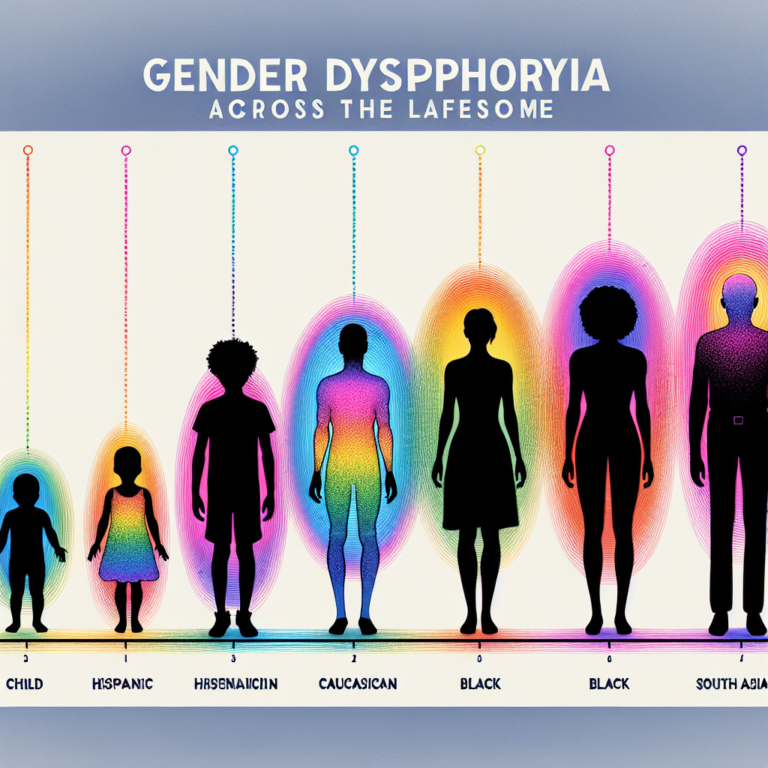
The way gender dysphoria shows up changes a lot from childhood to adulthood. It’s important to understand how it looks different at each stage of life.
Manifestations in Childhood
Children with gender dysphoria often want to be a different gender. They might feel uncomfortable with their assigned sex. They also might like things that are usually for the other gender.
They might choose clothes, toys, and games that are not typical for their sex. This is a big part of how they show their feelings.
Adolescent Presentations
As teens go through puberty, their feelings about gender can get stronger. They might feel unhappy with their body’s changes. They might want to change their gender or hang out more with people of their preferred gender.
Adult Experiences
For adults, gender dysphoria can feel like being stuck in the wrong body. They might feel a lot of distress about their gender identity. They might want to live as the opposite gender.
Some adults might choose to get medical help like hormone therapy or surgery. This is part of their journey to feel more comfortable in their own skin.
It’s key to understand these different ways gender dysphoria shows up. This helps us give better support and care to people at any age.
Prevalence and Demographic Considerations
Gender dysphoria has become a big topic in recent years. Studies show it affects 0.5% to 1.3% of people. This condition makes someone feel their gender identity doesn’t match their biological sex.
Statistical Overview
Research on gender dysphoria shows different numbers. This is because of how studies are done and what they look for. But, it’s clear that not everyone is affected the same way.
| Population | Prevalence Rate |
|---|---|
| General Population | 0.5% – 1.3% |
| Clinical Samples | Higher rates due to referral bias |
Cultural and Geographical Variations
Culture and where you live play big roles in how gender dysphoria is seen. Some places are more open to gender nonconformity than others. This affects how many cases are reported.
Changing Patterns in Recognition and Diagnosis
More people are now getting help for gender dysphoria. This is because there’s more understanding and better ways to diagnose it. It shows how important it is to keep learning and supporting those who need it.
Developmental Trajectories of Gender Identity
The journey of forming gender identity is complex. It is influenced by biology, psychology, and society. As people grow, their view of gender changes a lot.
Early Childhood Development
In early childhood, the basics of gender identity start. Kids begin to know about gender and pick a gender to identify with. Play and social interactions are key in this. Kids do gender-typed activities and learn about gender roles.
Puberty and Adolescent Challenges
Puberty is a big time for gender identity. Teens go through physical changes and notice their gender more. Body changes can be tough for teens with gender dysphoria. The gap between their identity and physical changes can cause stress.
Adult Identity Formation and Integration
In adulthood, people keep working on their gender identity. Some explore, while others integrate it into life. Supportive environments and affirming practices help a lot.
Knowing how gender identity develops is key to helping people. By understanding its complexity, we can support those with gender dysphoria better. This helps them feel better overall.
Gender Dysphoria Psychology: Theoretical Frameworks
To fully understand gender dysphoria, we must look at the theoretical frameworks that shape its psychology. These frameworks help us see how different factors come together to cause gender dysphoria.
Biological and Neurological Perspectives
Biological and neurological views shed light on the genetic and hormonal effects on gender identity. Research has looked into genetics, brain structure, and hormones in gender dysphoria. For example, studies found brain differences between those with and without gender dysphoria, pointing to a neurological aspect.
Psychological and Developmental Models
Psychological and developmental models study how gender identity grows over time. They look at genetic, environmental, and social factors. These models help doctors understand how gender dysphoria develops, guiding treatment and assessment.
Social and Cultural Influences
Social and cultural factors greatly affect gender dysphoria. Social influences can either help or harm an individual’s gender identity, impacting their mental health. Cultural views on gender also shape how gender dysphoria is experienced and treated.
By combining these theoretical frameworks, we gain a deeper understanding of gender dysphoria. This knowledge helps clinicians create better treatment plans. It shows the importance of looking at biological, psychological, and social aspects together.
Conducting Psychological Assessments
A thorough psychological assessment is key for those with gender dysphoria. It looks at many parts of a person’s mind and gender identity.
Initial Evaluation Processes
The first step is vital. It lets clinicians get to know the person and learn about their gender identity. They do a detailed interview to understand the person’s gender dysphoria symptoms and past experiences.
They also check the person’s mental health. This includes any other mental health issues that might affect their treatment. This way, clinicians can create a good plan for treatment.
Standardized Assessment Tools
Standard tools are used too. These include validated questionnaires to learn more about gender dysphoria. They help find out what’s important for the person.
These tools help track changes and see if treatments work. They give a clearer picture of what the person needs.
Differential Diagnosis Considerations
It’s important to figure out what condition someone has. This means knowing the difference between gender dysphoria and other similar issues. Clinicians must watch for other problems, like body dysmorphic disorder.
Distinguishing from Body Dysmorphic Disorder
Body dysmorphic disorder (BDD) is about being upset by how one looks. But, it’s different from gender dysphoria. Clinicians need to check carefully to see what’s going on.
Identifying Co-occurring Conditions
People with gender dysphoria might also have other mental health issues. These can include depression, anxiety, or substance use disorders. It’s important for clinicians to look for these. This way, they can treat everything that’s needed.
Implementing Psychotherapeutic Approaches
Using effective psychotherapeutic methods is key for those with gender dysphoria. These methods include individual, group, and family therapy. Each is designed to tackle different parts of gender dysphoria.
Individual Therapy Modalities
Individual therapy is tailored to meet each person’s unique needs. Therapists use various techniques to help their clients.
Cognitive Behavioral Techniques
Cognitive Behavioral Therapy (CBT) is great for managing gender dysphoria. It helps people change negative thoughts and behaviors. This leads to better coping strategies.
Narrative and Identity-Focused Methods
Narrative therapy and identity-focused methods help people understand their gender identity. These methods deepen self-understanding and acceptance.
Group Therapy Frameworks
Group therapy provides a supportive space for sharing experiences. It connects people facing similar challenges. This helps reduce feelings of loneliness and builds community.
Family Systems Interventions
Family therapy is vital for improving family dynamics. It involves family members in therapy. This creates a more supportive and understanding environment.
| Therapy Modality | Key Benefits | Target Population |
|---|---|---|
| Individual Therapy | Personalized support, exploration of identity | Individuals with gender dysphoria |
| Group Therapy | Community support, reduced isolation | Groups of individuals with shared experiences |
| Family Therapy | Improved family dynamics, support for loved ones | Families and individuals with gender dysphoria |
A clinical psychologist says, “A treatment plan with psychotherapy can greatly improve well-being for those with gender dysphoria.”
“The therapeutic relationship is a key factor in psychotherapy success for gender dysphoria.”
Applying Gender-Affirming Therapy Principles
Gender-affirming therapy is a new approach to treating gender dysphoria. It focuses on supporting people in their gender identity journey.
Core Therapeutic Goals
Gender-affirming therapy has several main goals. These include:
- Creating a safe and supportive environment
- Exploring and affirming the individual’s gender identity
- Addressing any distress or dysphoria related to their gender identity
- Improving overall well-being and quality of life
Affirmation Techniques and Practices
Affirmation techniques are key in gender-affirming therapy. They may include:
- Using the individual’s preferred name and pronouns
- Validating their gender identity experiences
- Supporting their transition process, if applicable
Measuring Progress and Outcomes
Measuring progress in gender-affirming therapy looks at different areas of life. This includes mental health, social functioning, and satisfaction with gender identity expression.
| Outcome Measures | Description | Indicators of Progress |
|---|---|---|
| Mental Health Assessments | Tools to check anxiety, depression, and mental well-being | Less symptoms, better mental health scores |
| Social Functioning | Looking at social interactions, relationships, and support networks | Better social connections, more support |
| Gender Identity Satisfaction | Checking comfort and congruence with gender identity | More satisfaction, less dysphoria |
Addressing Internalized Stigma
Internalized stigma is a big challenge for many with gender dysphoria. Therapy works to address this by:
- Identifying and challenging negative self-perceptions
- Fostering self-compassion and self-esteem
- Promoting resilience and coping strategies
By using gender-affirming therapy principles, therapists can help people with gender dysphoria. This improves their well-being and quality of life.
Coordinating Medical Interventions with Psychological Support
Combining medical treatments with psychological support is key for treating gender dysphoria. This method ensures people get care that covers their physical and mental health. It’s about treating the whole person, not just symptoms.
Hormone Therapy Considerations
Hormone therapy is a common treatment for gender dysphoria. It helps match a person’s physical look with their gender identity. Starting hormone therapy requires a thorough mental health check first. Doctors and psychologists keep a close eye on any changes during treatment.
Pre and Post-Surgical Psychological Care
Surgery is sometimes needed for a person’s transition. Before surgery, they get checked to see if they’re ready. After, they get support as they adjust to their new body. This care is essential for their happiness and health.
Developing Integrated Treatment Plans
Creating treatment plans needs teamwork between doctors, mental health experts, and the person. These plans are made just for them, covering medical, psychological, and other care. Plans are regularly checked and updated to meet the person’s changing needs.
By linking medical treatments with psychological support, healthcare teams can give better care. This care boosts the quality of life for those with gender dysphoria.
Supporting Children and Adolescents with Gender Dysphoria
Supporting kids and teens with gender dysphoria means understanding their needs. It’s key for their emotional and mental health.
Age-Appropriate Intervention Strategies
Interventions must match the child’s age. Young ones might benefit from play therapy and family support. This lets them explore their gender safely.
Teenagers might need individual therapy, support groups, and help with social and family issues.
Working with Parents and Families
Helping parents and families is vital. They need to learn about gender dysphoria and get emotional support. This helps create a supportive home.
Family therapy can also help. It addresses family issues that might affect the child’s or teen’s well-being.
School-Based Support Systems
Schools are important for kids and teens with gender dysphoria. Teachers need training, and schools should have inclusive policies. Support groups or counseling can also help.
A supportive school environment is key for a young person’s success.
Social Transition Considerations
Social transition might be a choice for some. It means living as their affirmed gender every day. It’s important to consider this carefully.
Experts, families, and the young person should be involved in the decision. This ensures a safe and supportive transition.
Navigating Ethical Considerations in Treatment
Dealing with gender dysphoria treatment is complex and requires careful thought. Healthcare providers must watch out for many ethical issues. This is because gender dysphoria is a condition with many sides.
Informed Consent Practices
Informed consent is key in treating gender dysphoria ethically. It means making sure patients or their guardians know all about the treatment. They need to understand the risks and benefits. Good informed consent practices respect patients’ choices and build trust.
Cultural Competence Development
Cultural competence is vital in treating patients with gender dysphoria. It means understanding and respecting patients’ diverse backgrounds and identities. Culturally sensitive care makes treatment more effective.
Balancing Autonomy with Clinical Judgment
Healthcare providers must balance patient autonomy with their clinical judgment. This is hard in gender dysphoria, where patient choices can affect their future. Clinical judgment based on evidence and patient care is key to handling these challenges.
Building Resilience and Coping Strategies
For those with gender dysphoria, finding oneself is a journey. It involves growing strong and learning how to deal with tough times. As they explore their gender, they meet challenges that need strong support and personal ways to handle stress and affirm their identity.
Identity Affirmation Exercises
Identity affirmation exercises are key to building resilience. They help people connect with their true selves, building a positive self-image and confidence. Activities like journaling, self-reflection, and doing things that match their gender identity are helpful.
Stress Management Techniques
Managing stress is critical for those with gender dysphoria. Mindfulness, meditation, and yoga can lower stress and boost well-being. “Mindfulness practices can significantly reduce anxiety and depression in individuals navigating gender dysphoria.” A study shows how important these practices are.
Developing Support Networks
Having a strong support network is vital for resilience. This includes family, friends, support groups, and online communities. A supportive network can greatly help an individual face challenges.
Self-Advocacy Skills
Self-advocacy is key for resilience in gender dysphoria. Learning to advocate for oneself helps navigate healthcare, social services, and more. It’s about standing up for oneself when faced with discrimination or misunderstanding.
By working on these areas, individuals with gender dysphoria can grow strong. They can better handle their unique challenges and improve their life quality.
Accessing Resources and Support Systems
Dealing with gender dysphoria can be tough. But, there are many resources and support systems to help. These are key for those facing gender dysphoria to get the support they need.
Professional Support Networks
Professional networks are very important. They offer guidance and care. This includes mental health experts, doctors, and gender identity specialists. Having access to these experts is key for the right diagnosis and treatment.
Community Resources
Community resources help people feel understood and connected. There are support groups online and in-person. These places are safe for sharing experiences and getting support from others who face similar challenges.
Online Support Options
Online support is growing in importance. It’s flexible and easy to access. Online forums, webinars, and telehealth services offer easy access to support from home.
Educational Materials
Learning about gender dysphoria is vital. Books, articles, and online courses are great resources. They help individuals, families, and professionals understand more.
By using these resources and support systems, people with gender dysphoria can find the help they need. This makes their journey easier to navigate.
Conclusion
Understanding and addressing gender dysphoria needs a full approach. This includes looking at the psychological, medical, and social sides. This article has given a detailed look at gender dysphoria. It covers its definition, how it’s diagnosed, and how it’s treated.
It’s clear that gender dysphoria is complex. We need to understand it well and give each person the care they need. The best treatment comes from a team that includes psychotherapy, medical help, and support.
In short, we must keep learning and spreading awareness about gender dysphoria. This will help us give better care and support to those who need it. By understanding gender dysphoria better, we can make a more welcoming place for everyone.
FAQ
What is gender dysphoria, and how is it defined?
How is gender dysphoria distinguished from gender nonconformity?
What are the diagnostic criteria for gender dysphoria in children, adolescents, and adults?
What are the signs and symptoms of gender dysphoria across the lifespan?
What is the prevalence of gender dysphoria, and are there any demographic variations?
What are the theoretical frameworks that underpin gender dysphoria psychology?
How is gender-affirming therapy applied in the treatment of gender dysphoria?
What is the role of medical interventions in the treatment of gender dysphoria?
How can families and schools support children and adolescents with gender dysphoria?
What are the ethical considerations in the treatment of gender dysphoria?
How can individuals with gender dysphoria build resilience and coping skills?
What resources are available for individuals with gender dysphoria and their families?
About the Author