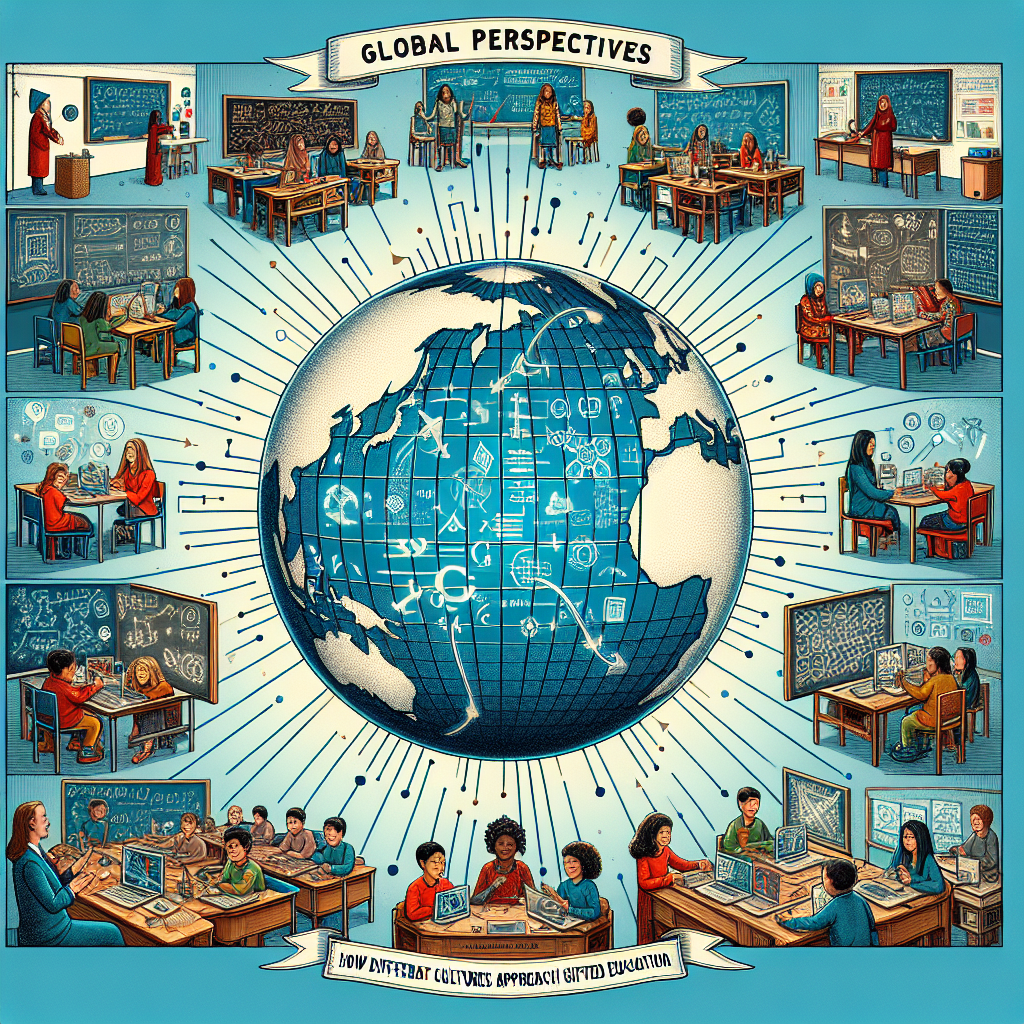
Gifted education isn’t a one-size-fits-all scenario; rather, it varies markedly across cultures and countries. In exploring Global Perspectives: How Different Cultures Approach Gifted Education, we uncover not just systems, protocols, and philosophies but the very essence of how giftedness is recognized, nurtured, and developed worldwide.
Introduction
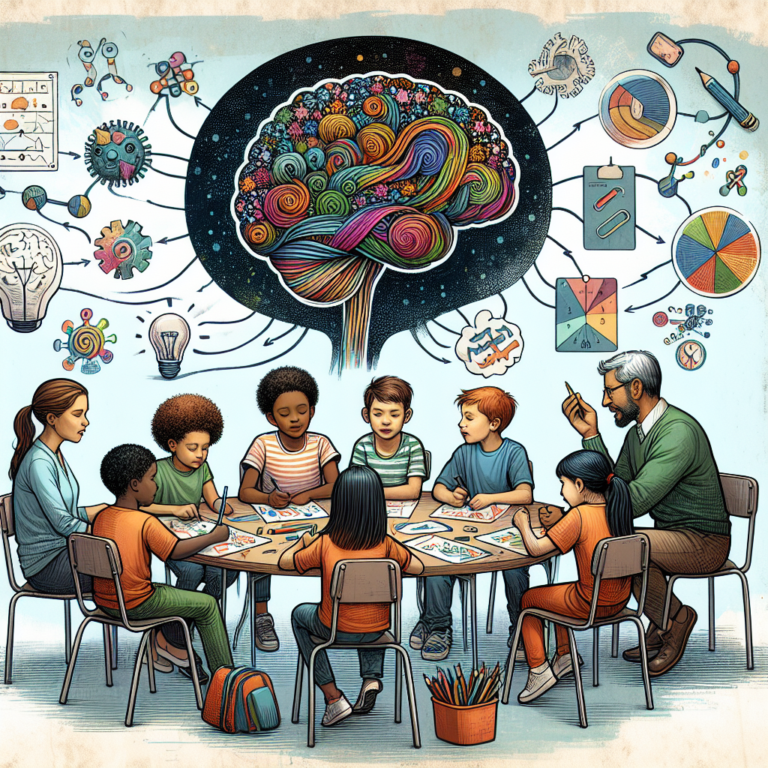
Imagine a classroom filled with students, each possessing unique abilities and potential. Some have an extraordinary knack for mathematics, while others demonstrate profound creative talents. How different cultures nurture and harness these gifts can have sweeping implications for the individuals involved and society as a whole. Gifted education is more than just identifying high achievers; it’s about understanding diverse cultural approaches and societal values that shape educational practices.
In a world increasingly fueled by globalization, knowing how various cultures address gifted education can help educators, policymakers, and parents effectively foster talent in a way that resonates with their roots and encourages universal development.
The Nature of Giftedness
Understanding giftedness is crucial before we examine how cultures approach its education. Giftedness manifests in multifaceted ways: it could be intellectual, creative, artistic, or even leadership-oriented. According to researchers, cultural context significantly influences how giftedness is defined and recognized.
The Western Perspective
In many Western countries, such as the United States and Canada, gifted education is often characterized by special programs and school districts that cater to gifted students. The focus tends to be on academic achievement, high IQ scores, and standardized testing.
Case Study: The U.S. Approach
In the United States, some states implement a "pull-out" program, where gifted students are separated from their peers to receive specialized instruction. Research by the National Association for Gifted Children indicates that around 6% of K-12 students are identified as gifted. However, there’s ongoing debate about the validity and inclusiveness of identification methods.
| Method of Identification | Pros | Cons |
|---|---|---|
| Standardized Tests | Objective | May overlook creativity |
| Teacher Recommendations | Insightful | Subjective bias possible |
| Portfolios | Comprehensive | Time-consuming |
This polarized approach reflects cultural values that often emphasize individual achievement.
The Eastern Perspective
In contrast, many Eastern cultures prioritize community and collective achievement. Here, gifted children might be channeled into programs that emphasize discipline, responsibility, and hard work.
Case Study: The Education System in Japan
Japan is known for its rigorous academic standards and an education system that values effort. Gifted students often navigate through a highly competitive environment, beginning as early as elementary school.
Analysis: Japan’s approach demonstrates the balance between nurturing talent while fostering social responsibility. Gifted education involves mentorship in various fields, especially science and technology, aligning with societal needs.
Cultural Value Systems
A cultural value system significantly affects gifted education. In collectivist societies, community-oriented education often supersedes individual accolades. Conversely, in individualistic societies, personal achievement is often ideally promoted.
The Scandinavian Approach
Countries like Sweden and Finland embrace egalitarian principles in their educational models. Parents and educators work to incorporate everyone into gifted programs while maintaining an inclusive atmosphere.
Case Study: Finland’s Comprehensive School System
Finland’s educational philosophy is built on equity and inclusion. While the country doesn’t have official tracks for gifted education, it encourages teachers to modify the curriculum to meet the needs of all learners, ensuring that gifted students are engaged without alienating their peers.
Analysis: This approach supports a broader understanding of giftedness as it fosters collaboration. Equally, it positions gifted students as facilitators of knowledge rather than merely recipients.
Global Perspectives: Strategies for Nurturing Giftedness
Examining effective strategies from around the world can provide insights into how to best support gifted education.
Unique Programs and Definitions
Countries have developed distinctive ways of identifying and nurturing gifted students:
- China emphasizes math and science in its curriculum, grooming students for international competitions.
- Singapore has established specialized schools for the Arts and Sciences, catering to specific talents.
Cultural Attitudes Toward Failure
Interestingly, many cultures have different attitudes toward failure, which can significantly impact gifted learners:
- Eastern cultures might view failure as a learning opportunity that aligns with societal values of perseverance.
- Western cultures may treat failure as a setback, often leading individuals to shy away from risks.
| Cultural Attitude | Impact on Gifted Education |
|---|---|
| Failure as Growth | Encourages risk-taking |
| Failure as Setback | Fosters fear of failure |
The Intersection of Technology and Gifted Education
As technology becomes an intrinsic part of education, how cultures leverage it to support gifted students varies considerably.
The Role of Online Learning Platforms
Online learning offers flexibility and a wealth of resources, making gifted education more accessible worldwide. For instance, platforms like Khan Academy and Coursera allow students to progress at their pace, regardless of their geographical location.
Case Study: Online Learning in India
In India, various platforms are gaining traction to help gifted students access materials tailored to their interests.
Analysis: This illustrates a hybrid method, allowing cultural knowledge to be preserved while also providing global learning opportunities.
Balancing Technology with Traditional Methods
While technology can enhance learning, many cultures stress the value of face-to-face mentorship. For example, mentor-led programs in the Philippines focus on guiding gifted students through community service, balancing modern education methods with traditional practices.
Challenges in Global Gifted Education
As diverse as the approaches may be, certain challenges remain universal.
Equity and Access
In many countries, socio-economic status can dictate access to gifted educational resources. Wealthier families find ways to supplement education, while those from low-income backgrounds may struggle to identify or nurture giftedness.
Misidentification of Giftedness
Cultural biases can lead to misidentification of gifted students. Certain backgrounds may overlook unique talents due to traditional norms valuing different skills.
The Future of Gifted Education: Lessons from Around the World
Examining Global Perspectives: How Different Cultures Approach Gifted Education invites us to reflect and envision a more inclusive future.
Collaborative Approaches
Countries can benefit from a mixed model, incorporating various cultural techniques for identifying and nurturing giftedness. For example, blending Western methods of identification with Eastern principles of communal achievement can yield more comprehensive educational environments.
Broader Perspectives on Success
Defining success in education should extend beyond standardized tests and grades. Cultivating emotional intelligence, creativity, and personal growth should become central goals.
Conclusion
Navigating the landscape of gifted education requires sensitivity to cultural perspectives and values. The exploration of how different societies approach gifted education emphasizes shared goals—developing individuals who can contribute positively to society while realizing their unique potentials.
The key takeaway is this: as we advance in our educational practices, consider the holistic development of gifted individuals within their cultural contexts. Global Perspectives: How Different Cultures Approach Gifted Education not only enhances our understanding but also invites us to rethink our methodologies for the betterment of future generations.
FAQs
Q1: What are the main characteristics of giftedness?
A1: Giftedness can manifest through advanced cognitive abilities, creativity, leadership skills, and talent in the arts or sciences.
Q2: Why is cultural context important in gifted education?
A2: Cultural context shapes how giftedness is recognized and supported. Different cultural norms influence educational practices, impacting the identification and nurturing of giftedness.
Q3: How can schools identify gifted students effectively?
A3: Schools may use a blend of standardized tests, teacher recommendations, and performance portfolios to identify gifted students comprehensively.
Q4: Are there effective global programs for gifted education?
A4: Yes, various countries have successful programs tailored to their educational systems, such as specialized schools in Singapore or integrated programs in Finland that adapt the curriculum for gifted students.
Q5: How can parents support gifted children at home?
A5: Parents can explore their children’s interests, provide resources like books and online courses, and encourage creative thinking and problem-solving activities.
This article sheds light on the intricate dynamics of gifted education, urging stakeholders to adopt a more nuanced understanding as they embark on the journey of nurturing talent across diverse cultures.
About the Author