Introduction
In a rapidly evolving world, where technology intertwines with every aspect of life, healthcare is no exception. Telehealth services have surged, especially amid global challenges like the COVID-19 pandemic, reshaping the very fabric of patient care. The spotlight is on how telehealth services are empowering patients and enhancing self-management. This innovative approach not only bridges the gap between healthcare providers and patients but also cultivates a newfound sense of autonomy for individuals in managing their health.
As we delve into this transformative landscape, we’ll explore how telehealth is not just a supplementary service but a fundamental shift that enhances patient engagement, fosters education, and ultimately leads to better health outcomes.
Understanding Telehealth and Its Impact
What is Telehealth?
Telehealth encompasses a range of digital healthcare services, including remote patient monitoring, video consultations, mobile health applications, and online health education resources. This multi-faceted approach allows patients to receive care in the comfort of their homes, breaking down traditional barriers such as distance, mobility issues, and time constraints.
The Rise of Telehealth Services
According to the American Medical Association, telehealth usage skyrocketed during the pandemic, with many practices reporting usage rates exceeding 80% in some areas. This shift highlighted telehealth’s potential not just as a temporary solution but as a permanent fixture in modern healthcare.
Key Benefits of Telehealth: Empowering Patients
1. Enhanced Accessibility
One of the foremost ways how telehealth services are empowering patients and enhancing self-management is by improving accessibility. Individuals in rural or underserved areas can connect with top healthcare professionals without the burden of travel.
Case Study: Doctor on Demand
In 2020, the telehealth service Doctor on Demand reported connecting over 1 million patients to physicians in various specialties. The platform emphasizes accessibility, allowing patients who might have otherwise faced barriers to receive timely care. The result? Increased patient satisfaction and adherence to treatment plans.
2. Increased Patient Autonomy
Patients empowered with information tend to take a more active role in their health decisions. Telehealth platforms often equip users with educational resources and tracking tools, fostering informed decision-making.
Analysis: This self-empowerment can lead to higher engagement rates and improved outcomes, as studies suggest that patients who are involved in their care plans are more likely to stick with them.
3. Continuous Monitoring and Support
Telehealth services facilitate ongoing care through various monitoring technologies, reducing hospital visits and enhancing disease management.
Example: Patients with chronic conditions such as diabetes can use telemonitoring devices to track their blood sugar levels. Physicians receive real-time data, allowing adjustments to medications without an in-person visit. This means timely interventions and better health management for patients.
The Role of Technology in Self-Management
Mobile Health Applications
Mobile health apps are critical in the how telehealth services are empowering patients and enhancing self-management narrative. These tools provide patients with immediate access to their health data and personalized care recommendations.
Table: Features of Popular Health Apps
| App Name | Key Features | Target Users |
|---|---|---|
| MySugr | Diabetes tracking, reminders | Diabetes patients |
| Headspace | Mental health support, meditation guides | General wellness seekers |
| Medisafe | Medication reminders | Chronic condition patients |
| CareZone | Prescription management | Caregivers and patients |
Integration with Wearable Devices
Wearables like smartwatches and fitness trackers collect real-time health data, empowering patients to monitor their well-being actively. This data can feed directly into telehealth platforms, enabling providers to offer tailored care plans based on personalized metrics.
Challenges and Considerations
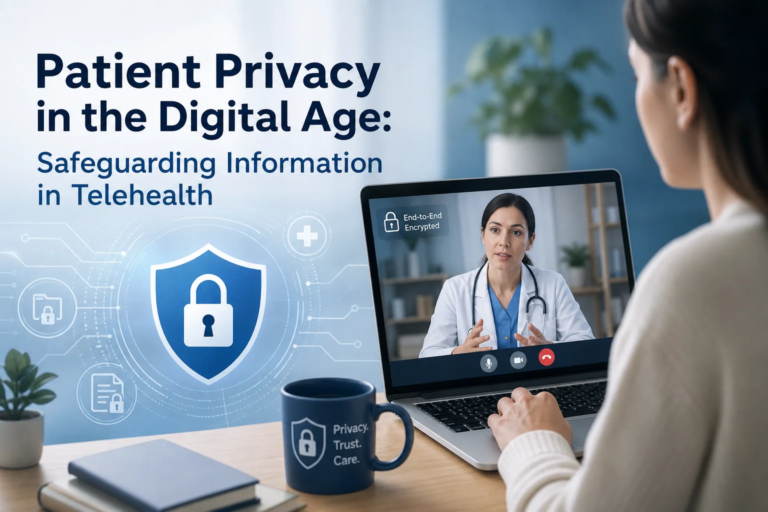
Despite the benefits, certain challenges remain. Digital literacy among patients can hinder the adoption of telehealth services. Moreover, concerns about data privacy and security are paramount.
Strategies: Providing patient training sessions and robust cybersecurity measures can help overcome these barriers, ensuring that how telehealth services are empowering patients and enhancing self-management becomes a reality for everyone.
Enhancing Communication Between Patients and Providers
Building Trust Through Telehealth
Effective communication is vital in healthcare. Telehealth encourages open dialogue, where patients feel comfortable discussing their concerns. Virtual consultations allow for enhanced visual interaction, cultivating trust and rapport.
Patient Feedback Mechanisms
Telehealth platforms often incorporate feedback mechanisms, allowing patients to voice their experiences and suggest improvements. This input can be invaluable for providers aiming to refine their services.
Case Study: MDLIVE
MDLIVE incorporates real-time feedback options. A study indicated that patient satisfaction ratings increased dramatically after implementing a post-consultation survey feature, displaying a clear link between feedback and service enhancement.
Education: A Cornerstone of Self-Management
Empowering Through Knowledge
Educational resources provided through telehealth services empower patients to understand their health better. Webinars, articles, and videos tailored to specific conditions help demystify complex medical information.
Support Groups and Community Engagement
Online support groups offer patients a platform to share their experiences, fears, and triumphs. This interaction fosters community support, essential in managing chronic conditions.
Example: In an online diabetes management group, participants reported a 40% increase in adherence to lifestyle changes after receiving peer support and professional guidance via telehealth platforms.
The Future of Telehealth in Patient Empowerment
AI and Predictive Analytics
The integration of artificial intelligence in telehealth services is starting to transform how patients manage their health. Predictive analytics can provide personalized recommendations based on patient data trends.
Telehealth Beyond Infectious Diseases
While the COVID-19 pandemic showcased telehealth’s efficacy in acute care, its application in preventive care and chronic disease management is vast and largely untapped.
Conclusion
How telehealth services are empowering patients and enhancing self-management represents a paradigm shift in healthcare. By prioritizing accessibility, education, and continuous support, telehealth empowers patients to take control of their health journeys.
As technology continues to evolve, so will the potential of telehealth. Patients ready to embrace this paradigm shift will not only enhance their health but also inspire others to embark on their self-management journeys.
FAQs
What is telehealth?
Telehealth refers to a variety of healthcare services delivered remotely, including video consultations, remote monitoring, and mobile health apps.How can telehealth improve patient engagement?
Telehealth services empower patients with access to information, enabling them to take an active role in their healthcare decisions.What types of conditions can be managed through telehealth?
Conditions ranging from chronic diseases like diabetes to mental health issues can be effectively managed through telehealth platforms.Are telehealth services secure?
While data security is an ongoing concern, many telehealth providers implement encryption and safeguard patient data to ensure privacy.- How can I get started with telehealth?
Many healthcare providers offer telehealth services. Contact your doctor’s office or check their website for available options and how to schedule an appointment online.
By exploring the many facets of how telehealth services are empowering patients and enhancing self-management, we embrace a future where healthcare is more inclusive, effective, and tailored to individual needs. The time for telehealth is now—let’s make the most of it!
About the Author


The PsyForU Editorial Collective is the research and editorial team of PsyForU Research International. The collective prepares educational, psychological, mental-health-awareness, inclusion, neurodiversity, and research-methodology content for students, parents, educators, researchers, and general readers. PsyForU content is intended for awareness, education, and capacity-building and should not be treated as clinical diagnosis, therapy, medical advice, legal advice, or emergency mental-health support.