Introduction: The Heart of Justice
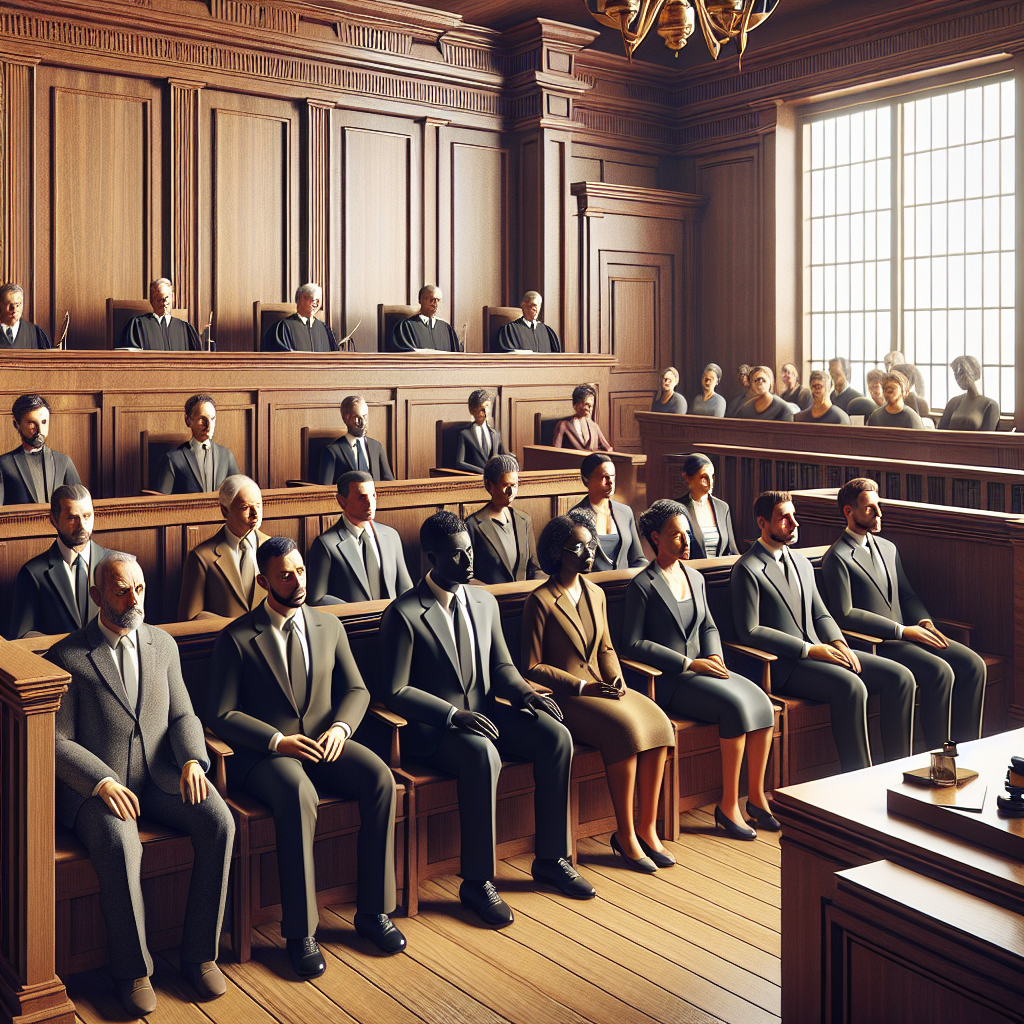
Imagine standing in a courtroom, the air heavy with anticipation. On one side, a defendant faces serious charges; on the other, a prosecution eager to prove guilt. Somewhere in between lies the jury—ordinary citizens entrusted with an extraordinary responsibility. But what truly makes a jury fair and impartial? In this exploration, we delve deep into Inside the Jury Box: What Makes a Fair and Impartial Jury? to uncover the principles, challenges, and essential qualities that define justice in the courtroom.
The Foundation of a Fair Jury
Defining Fairness and Impartiality
At the core of any judicial system is the notion of fairness and impartiality. What do these terms mean in a courtroom context? Fairness ensures that every party’s rights are respected, while impartiality means that jurors have no biases or preconceived notions influencing their judgment.
The Role of the Jury in the Legal System
The jury serves as the linchpin of the legal process. In the U.S., the Sixth Amendment guarantees the right to a fair trial by an impartial jury. This democratic principle ensures that citizens have a voice in the legal process, reflecting community standards and values.
Understanding the Jury Selection Process
A critical aspect of achieving a fair jury lies in the selection process, known as voir dire. During this process, potential jurors are questioned to uncover biases or connections to the case. Let’s break down key elements involved:
| Element | Description |
|---|---|
| Questioning | Jurors are asked about personal beliefs and backgrounds. |
| Challenges | Attorneys can dismiss potential jurors with challenges for cause or peremptory challenges. |
| Diversity | Ensuring a diverse jury pool is essential for fairness. |
The Reality of Biases in Jury Selection
Implicit Bias: An Undeniable Influence
Despite the best efforts to ensure a fair process, implicit biases often surface. These are unconscious attitudes or stereotypes that can affect jurors’ decisions without their awareness.
Case Study: The Batson Challenge
In the notable Batson v. Kentucky case, the Supreme Court held that using peremptory challenges to exclude jurors based solely on race is unconstitutional. This challenge underscores the significant impact of bias and highlights the importance of ensuring that jury decisions are based solely on case merits.
The Impact of Societal Influences
Jurors are not isolated from the world. Media, social norms, and personal experiences shape their perceptions. In the age of social media, it is increasingly challenging to find jurors who haven’t been influenced by public opinions surrounding a case.
Characteristics of an Effective Juror
Open-Mindedness
A fair juror must possess the willingness to listen to all evidence and perspectives. Open-mindedness is vital for a balanced decision-making process, allowing jurors to consider facts rather than emotions or biases.
Critical Thinking Skills
Effective jurors should be able to analyze information objectively. Critical thinking enables juries to evaluate the facts presented without falling prey to sensationalism or emotional appeals.
Visual Aids: Balancing Evidence and Emotion
| Skill | Role in Jury Duty |
|---|---|
| Logical reasoning | Helps jurors weigh evidence against arguments. |
| Evaluating credibility | Assists jurors in determining witness reliability. |
| Emotional resilience | Enables jurors to handle graphic or disturbing testimony. |
The Challenge of Ensuring Diversity
The Importance of Representation
Representation in the jury box is crucial. A diverse jury reflects a broader spectrum of community views, which is essential for fair verdicts. Studies show that diverse juries tend to deliberate longer, consider more evidence, and arrive at fairer outcomes.
Case Study: The 2014 Ferguson Jury
The racially charged case involving Michael Brown’s death highlighted how a lack of representation can skew justice. The predominately white jury faced criticism for failing to empathize with the African American community’s experiences. This instance illustrates the need for diverse juries to understand the nuances of cases better.
Legal Reforms and Their Impact
Some jurisdictions have begun implementing reforms to increase diversity in jury pools. These include expanding sources for potential jurors and using randomized selection methods to ensure broader representation.
Communicating Complex Information
Juror Instructions: The Importance of Clarity
Once selected, jurors receive instructions that are vital for their understanding of the case. Clear, concise instructions help ensure that they can apply the law correctly without confusion.
Table: Key Components of Juror Instructions
| Component | Description |
|---|---|
| Legal Definitions | Clear definitions of terms like “reasonable doubt.” |
| Case Context | Overview of the case without delving into bias. |
| Deliberation Process | Guidelines on how they should communicate and decide. |
The Deliberation Process
Deliberation is where jurors formulate their opinions based on evidence. A successful deliberation involves respectful discourse, critical thinking, and the ability to reconcile differing opinions.
Case Study: The 12 Angry Men Experiment
The film 12 Angry Men brilliantly captures the dynamics of jury deliberation. It illustrates how personal biases, communication styles, and power dynamics can affect a jury’s decision-making process. This depiction, although fictional, resonates with real-world scenarios and reinforces the need for a well-structured deliberation process.
Technology and Modern Juror Engagement
Digital Tools in Jury Selection
Advanced technology is beginning to play a role in how jurors are selected and educated. Online surveys and virtual juries are becoming platforms where potential jurors can express their views, potentially leading to a more informed jury.
Impact of Social Media
Jurors often encounter cases in the media. Courts are now taking measures to educate jurors on the importance of avoiding outside influences during their deliberation.
Table: Measures Taken to Limit Media Influence
| Measure | Description |
|---|---|
| Gag Orders | Prohibiting media coverage during trials. |
| Jury Instructions | Mandating jurors to avoid media related to their case. |
Conclusion: Cultivating Justice Through Impartiality
As we’ve explored Inside the Jury Box: What Makes a Fair and Impartial Jury?, it’s clear that ensuring a fair jury goes beyond mere legal frameworks. It requires a concerted effort toward diversity, an understanding of biases, and an ongoing commitment to clear communication.
For the judicial system to thrive, every participant must value the weight of their responsibility and the impact of their decisions on real lives. As citizens, advocating for a more equitable selection process and supporting reforms can help create just outcomes in our legal society.
FAQs
1. What constitutes a fair and impartial jury?
A fair and impartial jury is one free from biases and preconceived notions, actively willing to base decisions solely on the evidence and facts presented in court.
2. How is jury selection conducted?
Jury selection involves a process called voir dire, where potential jurors are questioned to identify any biases. Attorneys may challenge or accept jurors based on this questioning.
3. Why is diversity important in the jury box?
Diversity among jurors brings various perspectives and experiences, which can result in more balanced and just verdicts.
4. What are some common biases to look out for in jurors?
Common biases include racial or gender biases, socioeconomic prejudices, and preconceived notions about the legal system or participants in the trial.
5. How do juror instructions affect the trial process?
Juror instructions clarify the legal framework and expectations, guiding jurors in their deliberations and preventing confusion about their role and responsibilities.
In closing, the journey to a fair and impartial jury is ongoing. It requires the participation of everyone—from lawmakers and legal professionals to everyday citizens. Together, we can nurture a justice system that truly reflects the ideals of fairness and democracy.
About the Author