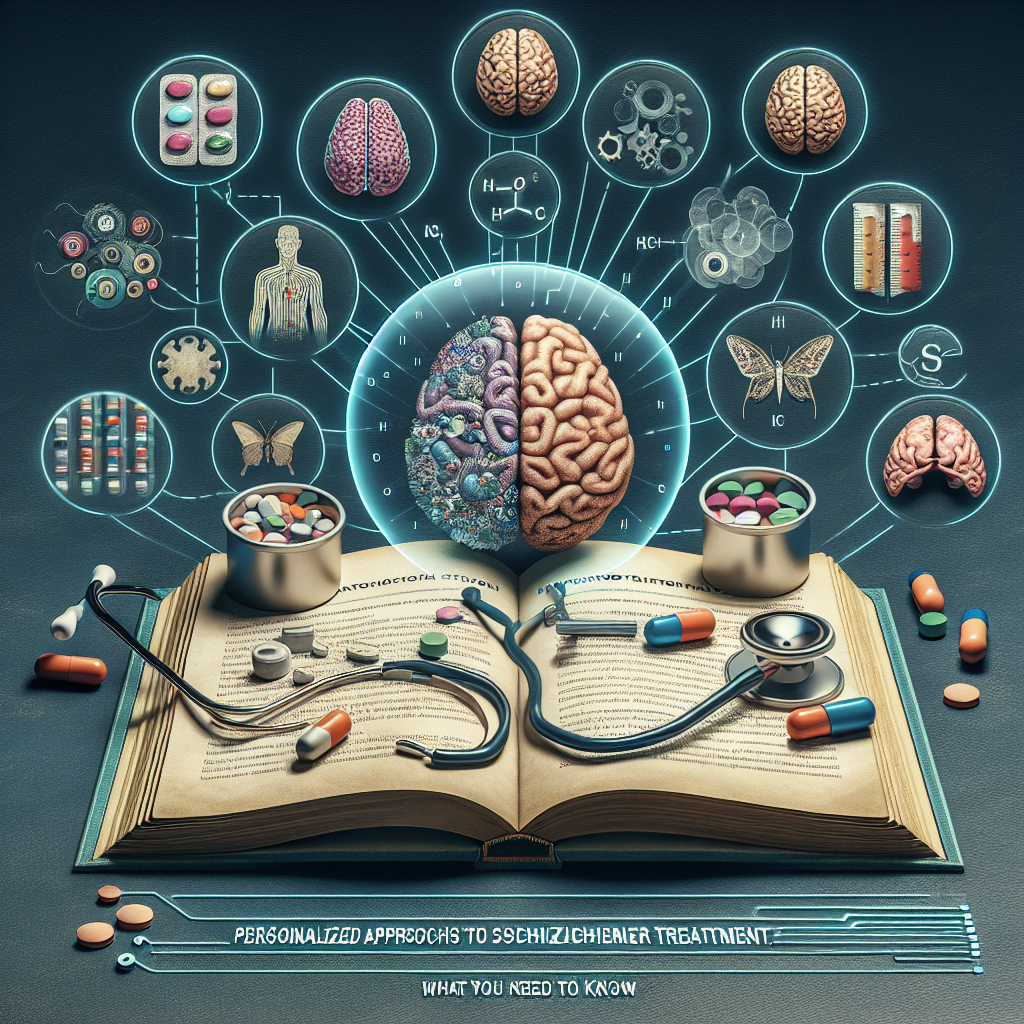
Personalized Approaches to Schizophrenia Treatment: What You Need to Know
Introduction
Schizophrenia is a complex and often misunderstood mental health condition that affects approximately 1% of the global population. Once considered an incurable disorder, the evolution of treatment methodologies has made it clear that a more tailored approach can lead to significantly better outcomes. In this comprehensive article, we will delve into Personalized Approaches to Schizophrenia Treatment: What You Need to Know.
We’ll discuss the importance of individualized care, how treatments can be adjusted based on a person’s unique circumstances, and the latest research that supports these methods. By creating an engaging narrative around real-life case studies and relevant data, we hope to provide you with not just information, but actionable insights.
Understanding Schizophrenia
What is Schizophrenia?
Schizophrenia is a chronic and severe mental health disorder that affects how a person thinks, feels, and behaves. Common symptoms include delusions, hallucinations, disorganized thinking, and social withdrawal. The reason for these symptoms often lies in a combination of genetic, biological, and environmental factors.
The Impact of Traditional Treatment Approaches
Historically, treatment for schizophrenia has relied heavily on antipsychotic medications, often leading to a one-size-fits-all approach. While these medications can be effective at controlling symptoms, they do not address the nuanced needs of each patient. Side effects may also deter patients from sticking to treatment plans.
The Shift Towards Personalized Approaches
What are Personalized Approaches to Schizophrenia Treatment?
Personalized Approaches to Schizophrenia Treatment: What You Need to Know includes individualized treatment plans that consider a patient’s unique biological makeup, cultural background, and personal preferences. Such approaches take into account:
- Genetic predispositions
- Comorbid conditions
- Lifestyle factors
- Patient feedback and preferences
The primary goal is to create a tailored treatment regimen that is as unique as the individual themselves.
Key Benefits of Personalization
- Improved Engagement: Patients are more likely to stick with a treatment plan they feel is tailored to their needs.
- Enhanced Efficacy: Personalized approaches can often lead to better symptom management.
- Reduced Side Effects: Customized plans can help in selecting medications and therapies with fewer adverse effects.
Case Studies in Personalized Schizophrenia Treatment
Case Study 1: Sarah’s Journey
Background: Sarah, a 28-year-old woman diagnosed with schizophrenia at 23, struggled with conventional treatments due to severe side effects that included weight gain and mood swings.
Personalized Approach: After involving her in discussions about her preferences, her treatment team implemented a combination of low-dose medications, cognitive-behavioral therapy (CBT), and lifestyle modifications. They also encouraged Sarah to participate in a local art therapy group.
Outcome: Sarah reported feeling more in control of her symptoms and experienced markedly fewer side effects. Her engagement with the treatment plan improved significantly, leading to better management of her overall wellbeing.
Case Study 2: Mark’s Experience
Background: Mark, a 35-year-old man, was also diagnosed with schizophrenia, but his symptoms were exacerbated by a history of substance abuse.
Personalized Approach: His treatment plan included therapy focused on dual diagnosis, addressing both schizophrenia and his addiction. Furthermore, regular check-ins with a case manager helped Mark set realistic goals for recovery.
Outcome: Within six months, Mark noted a significant decrease in disruptive symptoms and significantly improved his social connections.
Current Research and Trends
Genetic Testing
One exciting avenue in Personalized Approaches to Schizophrenia Treatment: What You Need to Know is the role of genetic testing. Research shows that genetic factors can influence how patients respond to antipsychotic medications. New advancements in pharmacogenomics could help clinicians tailor medications based on a patient’s genetic profile, thus optimizing treatment further.
Psychosocial Interventions
The importance of psychosocial interventions in conjunction with medication cannot be overstated. These include:
- Cognitive Remediation Therapy: This type of therapy helps patients enhance their cognitive skills, including memory and attention.
- Family Education and Support: Involving family members can help create a supportive environment which is crucial for recovery.
Data-Driven Insights
Recent studies indicate that group therapy is effective in reducing symptoms and improving quality of life for many patients. Using data analytics can also identify which groups will respond best to certain treatments, adding another layer of personalization.
Tables and Charts
Table 1: Comparison of Traditional vs. Personalized Treatments
| Aspect | Traditional Treatments | Personalized Treatments |
|---|---|---|
| Engagement | Lower | Higher |
| Efficacy | Moderate | Often Enhanced |
| Side Effects | Frequently High | Can Be Reduced |
| Flexibility | Low | High |
| Comorbidity Consideration | Rarely Considered | Frequently Accounted for |
Chart 1: Symptom Improvement Rates
A chart comparing symptom improvement rates among patients using traditional treatments vs. personalized approaches in a clinical study shows a clear advantage for personalized strategies.
Motivational Takeaway
Adopting Personalized Approaches to Schizophrenia Treatment: What You Need to Know is more than just a medical trend; it represents a seismic shift in how we think about mental health. By recognizing the individuality of each patient, we can foster an environment where treatment becomes a collaborative journey rather than a directive.
FAQs
1. What are the main benefits of personalized treatment for schizophrenia?
Personalized treatments can lead to improved engagement, efficacy, and side effect profiles, significantly enhancing the quality of life for patients.
2. How does genetic testing play a role in treatment personalization?
Genetic testing helps determine how a patient metabolizes medications, allowing clinicians to prescribe the most effective medications with fewer side effects.
3. Are there any downsides to personalized approaches?
One downside is that personalized approaches often require more initial time investment and resources, which can be challenging for some healthcare systems.
4. How can family support contribute to personalized treatment?
Family members can provide emotional support, and their involvement can help ensure that patients adhere to treatment plans and improve communication.
5. What new therapies are being developed for schizophrenia?
New therapies, including digital therapeutics, cognitive remediation, and integrated dual diagnosis treatment, aim to address the multifaceted aspects of schizophrenia.
Conclusion
In summary, Personalized Approaches to Schizophrenia Treatment: What You Need to Know reflects a paradigm shift in mental health care. As we continue to accumulate knowledge about genetics, psychosocial interventions, and patient preferences, the horizon appears brighter for those affected by this complex disorder.
The journey towards personalized treatment isn’t just about medications but also about fostering a sense of agency and empowerment in patients’ lives. By embracing these new methodologies, we can not only optimize treatment but also significantly enhance the lives of those living with schizophrenia.
As you explore the resources and options available in personalized treatment, remember that each step taken can lead to profound change. Stay informed, actively participate in your treatment decisions, and never hesitate to reach out for the specialized care that you deserve.
Embark on your journey towards personalized care today!
About the Author