Introduction
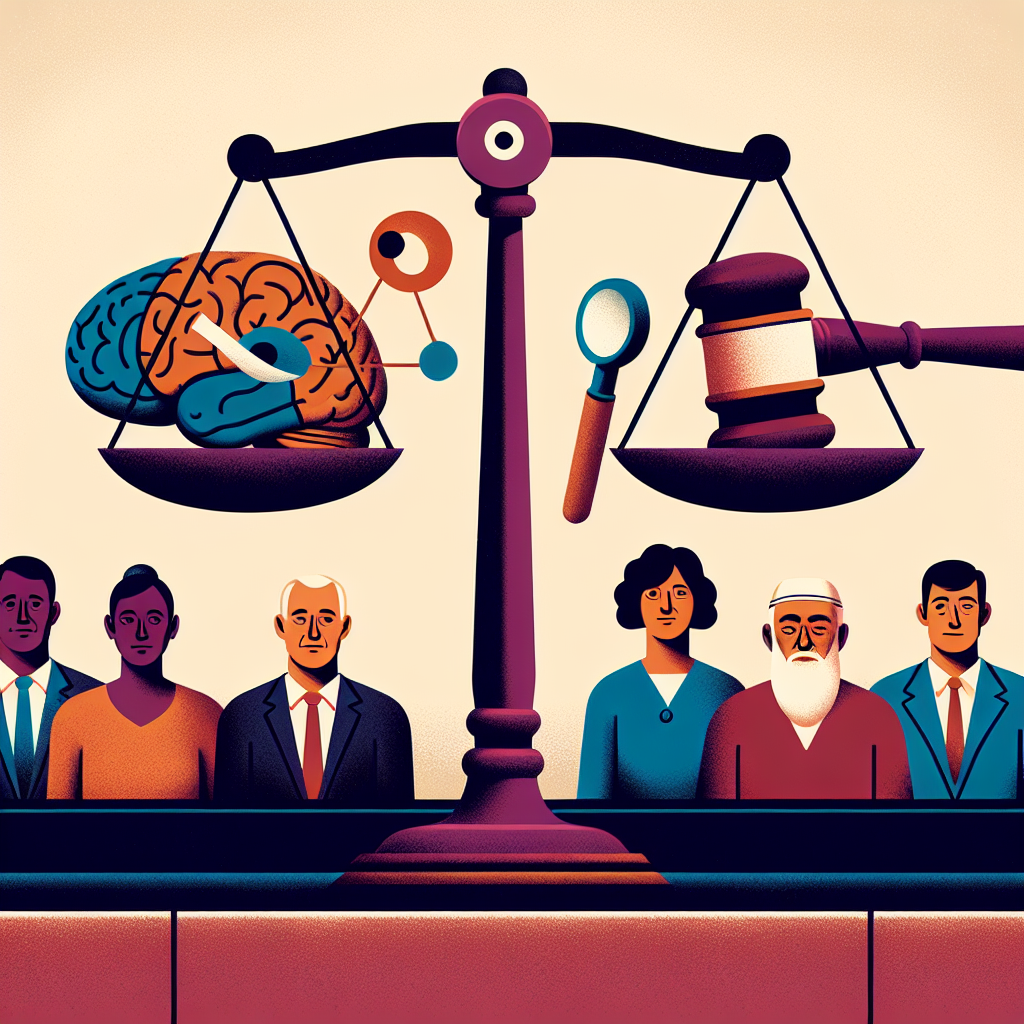
In the high-stakes world of legal battles, the difference between winning and losing can often hinge on one crucial component: the jury. "Picking Sides: The Psychological Tactics of Jury Selection" reveals the intricate strategies employed by attorneys to influence a jury’s decision-making process. Understanding these tactics not only showcases the psychological underpinnings at play but also emphasizes their profound impact on trial outcomes. This article dives deep into the art and science of jury selection, offering insights that captivate and inform.
The Importance of Jury Selection
A jury is more than just a group of individuals tasked with evaluating evidence; it represents society’s perspective. The process of selecting a jury—also known as "voir dire"—is an intricate dance of psychology, bias, and strategy. Selecting the right jurors can mean the difference between a verdict of guilty or not guilty, not just based on the evidence but also on jurors’ perceptions shaped by cultural, social, and personal experiences.
The Psychology Behind Jury Decisions
Understanding how jurors think is vital to mastering "Picking Sides: The Psychological Tactics of Jury Selection." Jurors bring their biases, life experiences, and beliefs into the courtroom, influencing their judgment. Factors such as:
- Social Influence: The concept of social conformity plays a significant role. A juror may ratify the group’s opinion rather than maintain an independent stance.
- Personal Bias: Jurors often have preconceived notions based on their backgrounds, making it crucial to select those who resonate more with the case’s narrative.
- Emotional Appeals: Jurors don’t only use logic; they tend to make decisions based on emotions. Effective jury selection considers which jurors are likely to connect emotionally with the case.
The Art of Jury Selection: Tactics and Strategies
1. Understanding Juror Profiles
Case Study: The O.J. Simpson Trial
One of the most publicized trials in history illustrates the significance of juror profiling. In the O.J. Simpson case, defense attorneys strategically selected jurors who were sympathetic to racial issues, believing this would create a bias in Simpson’s favor given the trial’s racial undertones. Understanding the jury’s background helped the defense frame the narrative effectively.
Analysis: By employing psychological insights, the defense capitalized on the emotional state of the jurors, demonstrating that an appeal to their identity could sway verdicts.
2. The Role of Body Language and Non-Verbal Cues
During jury selection, subtle cues can make a significant difference. Attorneys often rely on observing body language to gauge jurors’ instincts and emotions.
Table 1: Non-Verbal Cues and Their Interpretations
| Non-Verbal Cue | Possible Interpretation |
|---|---|
| Leaning forward | Interest or agreement |
| Crossed arms | Defensiveness or disagreement |
| Nodding | Agreement or understanding |
| Lack of eye contact | Disinterest or discomfort |
By deciphering these cues, attorneys can refine their jury selection process by choosing jurors who display favorable reactions, aligning with their case themes.
3. The Power of Narrative Framing
Crafting a compelling narrative is critical in jury selection. Lawyers develop case narratives designed to resonate with selected jurors’ values and beliefs. The framing of a case can predispose jurors to favor one side over another.
Case Study: The McDonald’s Hot Coffee Case
This widely discussed lawsuit hinged on the public’s perception of the plaintiff. Attorneys chose a jury that they deemed would empathize with the concept of corporate responsibility versus individual responsibility. By presenting the case within a context that resonated with jurors on an emotional level, the plaintiff was more likely to win public and jury sympathy.
Analysis: The narrative not only reflects the facts of the case but also sets the emotional tone. Understanding this helps attorneys employ their selection strategy effectively.
Legal and Ethical Considerations
1. The Ethics of Jury Selection
Although "Picking Sides: The Psychological Tactics of Jury Selection" comprises various strategies, it’s essential to consider the ethical implications of these tactics. While attorneys strive to secure favorable juries, they must confront the ethical dilemmas associated with manipulation.
- Challenges of Bias: Selecting a jury based solely on biases may lead to a morally questionable practice. The judicial system aims to uphold fairness, raising questions about the appropriateness of certain tactics.
2. Legal Constraints
Jurors cannot be dismissed solely based on characteristics such as race, gender, or religion due to legal protections. Understanding the boundary between strategic selections and illegal practices is crucial.
Psychological Techniques for Influencing Jury Dynamics
Selective questioning techniques during voir dire can establish rapport or highlight differences among jurors. Here are some effective methods:
- Open-Ended Questions: Encouraging jurors to share personal experiences that relate to the case can reveal biases and perspectives that may influence their decisions.
- Hypothetical Situations: Presenting scenarios relevant to the case can help lawyers gauge jurors’ values and gauge how they may respond under certain circumstances.
Case Study: The Boston Marathon Bombing Trial
During jury selection for Dzhokhar Tsarnaev’s trial, the prosecution and defense both utilized open-ended questions to probe potential jurors’ viewpoints on terrorism, guilt, and the death penalty. Their strategies aimed to find jurors who would align with their philosophical views toward justice.
Analysis: By using open-ended questions, the attorneys not only gathered important data on jurors’ biases but also established a connection that would inform later trial dynamics.
Evaluating Success in Jury Selection
The ultimate success of jury selection is measured in terms of the outcomes of a trial, but it is also essential to evaluate the process. Post-trial evaluations can provide insights into jury behavior, common biases, and unforeseen juror influences.
Data Collection and Evaluation
Tracking the success of jury selections through data can inform future strategies. Collecting feedback on jurors’ responses, behaviors, and eventual verdicts will help refine the approach to "Picking Sides: The Psychological Tactics of Jury Selection."
Chart 1: Evaluation Metrics for Jury Selection Success
| Metric | Description |
|---|---|
| Verdicts Achieved | Outcomes relevant to jury choice |
| Juror Feedback | Insights garnered from jurors’ experiences |
| Time Taken to Reach Verdict | Speed of decision-making indicative of jury alignment |
Conclusion
"Picking Sides: The Psychological Tactics of Jury Selection" unveils the fascinating intersection of psychology and law. Understanding the intricacies behind jury selection can empower legal professionals to strategize effectively and navigate complex social dynamics. Legal practitioners must avoid ethical pitfalls while employing psychological tactics, ensuring that the quest for justice remains paramount.
Empowering oneself with knowledge about jury dynamics not only prepares one for courtroom battles but fosters an appreciation for the complexities of human judgment. In this intricate game of persuasion, every move counts.
FAQs Section
1. What are the primary psychological tactics used during jury selection?
Psychological tactics include understanding juror profiles, leveraging narratives, observing body language, and employing open-ended questioning to reveal biases.
2. How do biases influence jury decisions?
Jurors bring their experiences, beliefs, and biases, which can significantly affect how they interpret evidence and align with either the prosecution or defense.
3. Can jurors be dismissed based solely on their demographic characteristics?
No, dismissing jurors based solely on race, gender, or religion is illegal and unethical. Attorneys must navigate jury selection within these legal boundaries.
4. What is the importance of post-trial evaluations?
Post-trial evaluations help identify the effectiveness of jury selection strategies, allowing legal teams to refine their approach in future cases.
5. How can I improve my understanding of jury selection tactics?
Consider studying case studies, participating in workshops, and seeking mentorship from experienced legal professionals to deepen your knowledge of jury dynamics.
This exploration of "Picking Sides: The Psychological Tactics of Jury Selection" not only reveals the overarching themes in jury selection but also inspires a deeper understanding of the complex psychological mechanisms at play within the judicial system. As you navigate this sphere, remember: every choice—from selecting jurors to framing a narrative—carries weight in the pursuit of justice.
About the Author