Introduction: The Power of Visibility in Advocacy
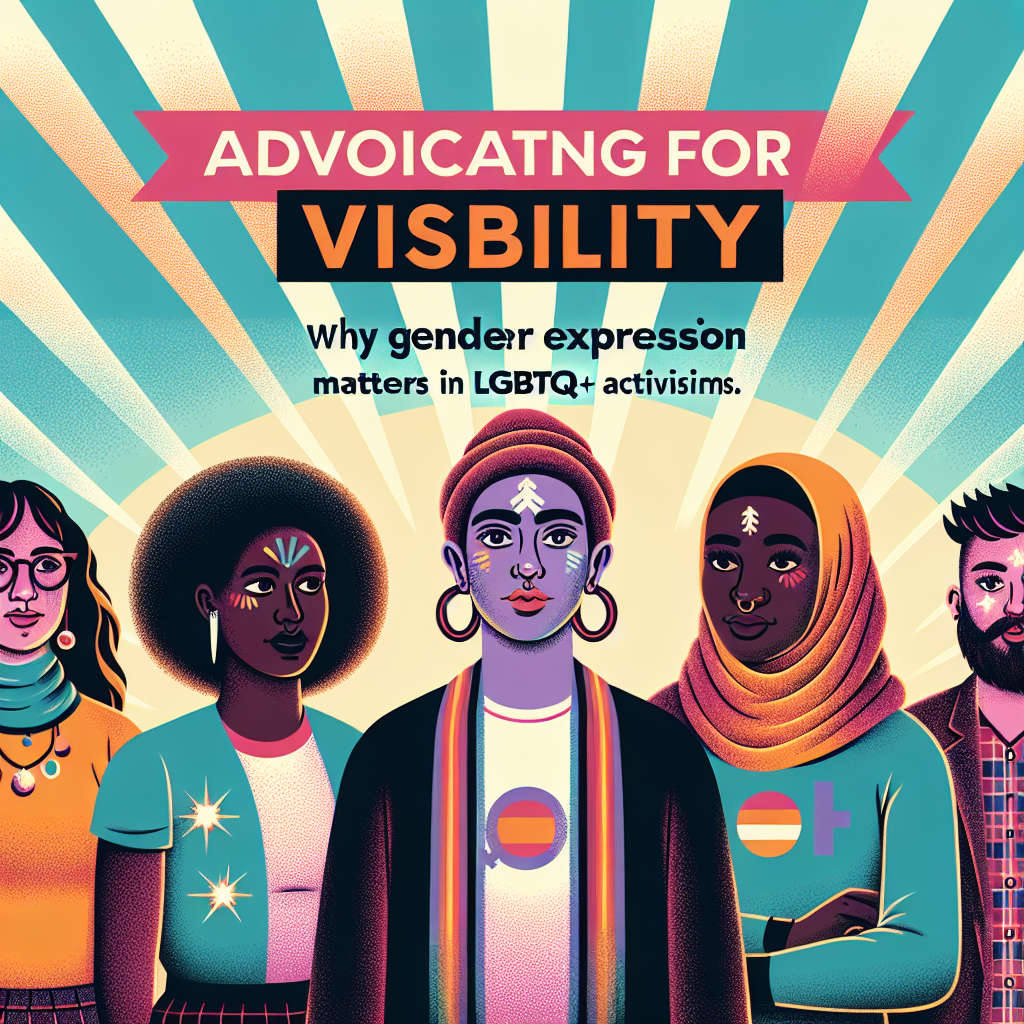
In a world where visibility can mean the difference between acceptance and isolation, advocating for visibility through gender expression plays a crucial role in LGBTQ+ activism. It is not merely a matter of self-expression; rather, it is an essential part of fighting for rights and recognition. The act of showcasing diverse gender expressions shifts societal norms, fosters understanding, and paves the way for inclusive legislation. As we dive deeper into the topic, we will explore why "Advocating for Visibility: Why Gender Expression Matters in LGBTQ+ Activism" is a pressing contemporary issue that deserves our attention.
The Intersection of Gender Expression and LGBTQ+ Rights
Understanding Gender Expression
Gender expression refers to the external presentation of gender, encompassing clothing, behavior, hairstyle, and other characteristics society often associates with masculinity or femininity. This expression often intersects with identity; for many LGBTQ+ individuals, it represents a unique struggle for acceptance and affirmation. Embracing one’s true self and expressing it outwardly serves as a powerful form of resistance against societal norms that often dictate who we should or shouldn’t be.
Historical Context
Throughout history, gender expression has been linked closely with LGBTQ+ rights. From the Stonewall Riots, which illustrated the intersection of gender identity and expression, to contemporary movements advocating for transgender rights, the advocacy journey showcases small yet significant victories. Each act of visibility contributes to a tapestry of experiences that collectively inform current activism strategies.
Case Study: The Stonewall Riots
The Stonewall Riots of 1969 marked a crucial turning point in the fight for LGBTQ+ rights. The riots were initiated, in part, by police raids on gay bars, which often represented safe havens for queer individuals. The patrons—many of whom expressed their gender in ways that defied convention—stood up against systematic oppression. This moment of visibility galvanized a movement, bringing issues of gender expression to the forefront.
Analysis: The Stonewall Riots highlight that gender expression is not just personal—it is political. By advocating for visibility, activists continually push for a world in which differences in gender identity are recognized and respected.
The Importance of Inclusion in Activism
Visibility as a Political Statement
In advocating for visibility, activists challenge societal norms that often marginalize unrepresented voices. This act transforms personal narratives into collective identity—a mechanism of empowerment. The more marginalized gender expressions are visible in everyday life, the more society normalizes them, which can lead to tangible shifts in policies and attitudes.
Representation in Media and Politics
Progress in LGBTQ+ rights has seen an uptick in representation across various platforms. Television shows, films, and political initiatives increasingly feature characters and leaders who openly express their gender identities. This representation not only validates the experiences of those within the community but also educates the larger public, fostering empathy and understanding.
Case Study: TV Show "Pose"
"Pose," a groundbreaking series on FX, features the largest cast of transgender actors in recurring roles and brings to light the ballroom culture—a subculture within LGBTQ+ communities that celebrates diverse gender expressions. By advocating for visibility and inclusion, "Pose" amplifies underrepresented voices, furthering discussions about rights and representation.
Analysis: Shows like "Pose" serve as models for LGBTQ+ activism by demonstrating the impact that visibility can have on broader societal attitudes and policies.
Bridging the Gap: Grassroots Activism and National Organizations
The Role of Grassroots Movements
Grassroots activism plays a vital role in advocating for visibility and gender expression within LGBTQ+ contexts. Local organizations often work tirelessly to address specific issues faced by their communities, creating safe spaces and support systems.
Case Study: The Gender Justice Network
The Gender Justice Network, a grassroots organization, focuses on both lack of visibility and systemic discrimination faced by marginalized gender identities. Their initiatives blend education, outreach, and direct action, leading efforts to ensure every individual’s expression is valid and celebrated.
Analysis: Grassroots movements demonstrate the importance of localized, community-driven advocacy, reminding us that change begins at the micro level but has the potential for macro impact.
National Impact: Larger Organizations
Organizations like the Human Rights Campaign (HRC) advocate for LGBTQ+ rights on a national scale, providing vast resources and visibility. They often spotlight the intersection of gender and identity, working to foster allegiance across different communities.
Gender Expression and Mental Health
The Psychological Aspect of Visibility
The act of expressing one’s gender identity can significantly influence mental health. Acknowledgment and acceptance from society can buffer against common mental health challenges faced by LGBTQ+ individuals. Conversely, marginalized identities often face stigma, contributing to issues like anxiety and depression.
Case Study: The Trevor Project
The Trevor Project offers crisis intervention and suicide prevention for LGBTQ+ youth, emphasizing the importance of visibility and acceptance in mental health. Their resources provide information on how to affirm diverse identities and the impact of acceptance on mental health outcomes.
Analysis: By advocating for visibility, organizations like The Trevor Project are not just creating support systems—they are changing the narrative around mental health within LGBTQ+ communities.
Legislative Change: Visibility and Advocacy
The Role of Laws and Policies
Visibility through diverse gender expressions has a direct impact on legislation. Advocating for visibility fundamentally means advocating for rights that protect and celebrate that visibility—non-discrimination policies, equal marriage rights, healthcare access, and more. When gender expression is a focal point of advocacy, it influences the legal landscape affecting the LGBTQ+ community.
Case Study: The Equality Act
The ongoing push for the Equality Act showcases how visibility influences legal change. By addressing issues related to gender identity and expression, advocates create a framework for lawmakers to build inclusive policies.
Analysis: Legislative changes highlight the profound relationship between visibility and rights, demonstrating that advocacy can lead to the systemic change necessary for acceptance and equity.
Creating Safe Spaces through Advocacy
The Importance of Safe Spaces
Creating environments where individuals can express their gender identity and orientation comfortably is critical to advancing LGBTQ+ rights. Safe spaces serve as a refuge for self-expression and healing, promoting community and belonging.
Case Study: Community Centers
Local LGBTQ+ community centers often function as safe havens, offering resources, counseling, and events that recognize and celebrate diverse gender expressions. These centers foster connections, build networks, and offer visibility to underrepresented communities.
Analysis: Safe spaces are vital in providing support and visibility while advocating for broader societal change. They act as anchors in the fight against systemic discrimination, allowing community members to thrive.
Allies and Advocacy: The Role of Supporters
Building Alliances
Allies play a fundamental role in advocating for visibility. Their support amplifies marginalized voices and influences broader societal attitudes.
Case Study: Allies in Action
A national campaign, "Friends of the LGBTQ+ Community," actively works to educate allies on the importance of gender expression in creating an inclusive environment. They host events and produce educational materials promoting empathy and understanding.
Analysis: The role of allies is indispensable in the advocacy landscape; their visibility contributes to supporting marginalized voices while encouraging others to join the movement.
Conclusion: A Call to Action for Visibility
As we’ve explored, advocating for visibility in LGBTQ+ activism is not just a moral imperative—it’s a crucial element in pushing forward human rights. By recognizing and celebrating diverse gender expressions, we can foster a more just and equitable society. It’s essential for activists, allies, and communities to collectively advocate for visibility that captures the richness of the LGBTQ+ experience.
Motivational Takeaway
Every conversation about gender expression and visibility counts. Let us commit to advocacy and uplift voices that have historically been silenced. The transformation we seek is possible when we unite our efforts around the principle that everyone deserves to express their true selves without fear of judgment or discrimination.
FAQs
1. Why is gender expression important in LGBTQ+ activism?
Gender expression is central to LGBTQ+ identity and experience; advocating for visibility promotes understanding and acceptance, crucial for societal change.
2. How can I support LGBTQ+ individuals in expressing their gender identity?
Support can be shown through education, active participation in advocacy efforts, and by creating inclusive environments where diverse gender expressions are welcomed.
3. What role do media representations play in LGBTQ+ advocacy?
Positive media representation fosters empathy and understanding, challenging stereotypes and promoting visibility for underrepresented identities.
4. How can grassroots movements influence larger policy changes?
Grassroots movements lay the foundation for activism, rallying support and creating a cultural shift that larger organizations can leverage for policy changes.
5. What resources are available for LGBTQ+ mental health support?
Organizations like The Trevor Project provide mental health resources, crisis intervention, and support tailored to the unique experiences of LGBTQ+ individuals.
By embracing these insights, we can become powerful advocates for visibility in LGBT+ activism, ensuring that every voice is heard and celebrated.
About the Author


The PsyForU Editorial Collective is the research and editorial team of PsyForU Research International. The collective prepares educational, psychological, mental-health-awareness, inclusion, neurodiversity, and research-methodology content for students, parents, educators, researchers, and general readers. PsyForU content is intended for awareness, education, and capacity-building and should not be treated as clinical diagnosis, therapy, medical advice, legal advice, or emergency mental-health support.