Red Flags: How to Identify Emotional Manipulation in Relationships
Introduction
In the labyrinth of human connections, relationships can be both a source of immense joy and profound pain. But what happens when that joy is marred by emotional manipulation? Understanding red flags is crucial to preserving our mental health and emotional well-being. This comprehensive guide will explore red flags, spotlighting how to identify emotional manipulation in relationships. By the end, you’ll be equipped with the knowledge to navigate your relationships more safely and confidently.
Table of Contents
- Understanding Emotional Manipulation
- Common Red Flags of Emotional Manipulation
- Case Studies: Real-Life Examples
- Tools and Strategies for Healthy Relationships
- Conclusion
- FAQs
Understanding Emotional Manipulation
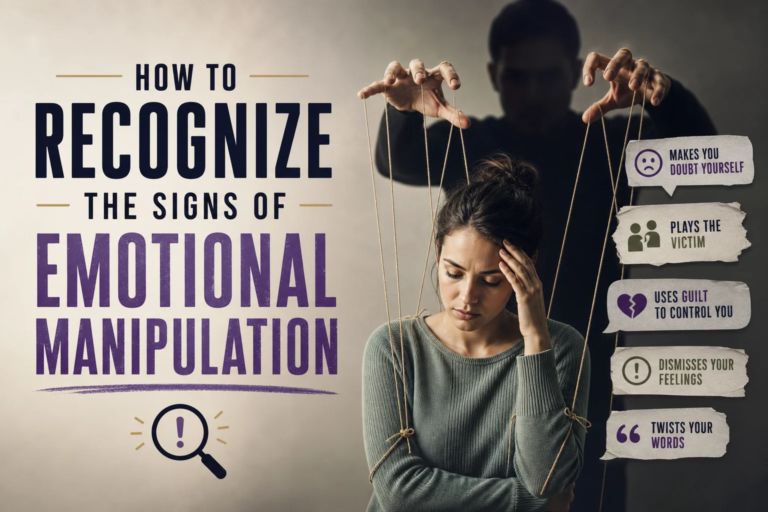
Emotional manipulation is a form of psychological control wherein one person uses tactics to alter the perception, feelings, and behaviors of another. It often involves deceit, coercion, or psychological pressure. Those who manipulate often do so to gain power or control, leading their partners into confusion and self-doubt.
Common Red Flags of Emotional Manipulation
Recognizing red flags early can help you set boundaries and protect your emotional well-being. Here are several forms of manipulation to look out for:
1. Gaslighting
Gaslighting is a technique in which the manipulator makes the victim question their reality. For example, if a partner frequently claims, “You must be imagining things,” it creates self-doubt and fosters dependency.
2. Love-Bombing
Initially overwhelming affection can morph into manipulation. If someone showers you with excessive love or attention early in the relationship, it may later be used against you as leverage.
3. Silent Treatment
This tactic involves withholding communication to punish or control. When a partner employs silence as a tool, it can lead to feelings of abandonment, making you more vulnerable to their demands.
4. Blame Shifting
Manipulators often refuse to take responsibility for their actions, instead putting the onus on you. If you find yourself continuously apologizing for things you didn’t do, it is a significant red flag.
5. Playing the Victim
By framing themselves as the victim, manipulators draw empathy, diverting attention from their behavior. You might find yourself feeling guilty for asserting your needs.
Case Studies: Real-Life Examples
Case Study 1: Sarah and Tom
Sarah was in a relationship with Tom for three years. Initially, Tom was incredibly affectionate, frequently complimenting Sarah. However, when Sarah attempted to voice concerns about their future or express her emotions, Tom would retaliate by ignoring her for days.
Analysis: This demonstrates the silent treatment—a compelling red flag of emotional manipulation that left Sarah feeling invalidated and anxious.
Case Study 2: Linda and Greg
Linda dated Greg, who would often blame her for his outbursts. When she suggested taking a break, Greg would lament, “You’re the one pushing me away,” leaving Linda feeling guilty for wanting space.
Analysis: This blame-shifting is a classic manipulation tactic; rather than addressing his behavior, Greg redirected the conversation back to Linda’s perceived failings.
Tools and Strategies for Healthy Relationships
Now that we’ve outlined the red flags, let’s discuss strategies for recognizing and addressing emotional manipulation:
1. Journal Your Experiences
Keeping a journal can illuminate patterns in behaviors. Note instances where you feel confused or invalidated.
2. Open Communication
Cultivate an environment where both partners feel comfortable voicing their feelings. Direct discussions help illuminate manipulation icons.
3. Set Boundaries
Establish clear boundaries that both you and your partner agree on. This gives you a framework to operate within, reducing the chances of emotional manipulation.
4. Seek Professional Guidance
If you’re struggling to navigate emotional manipulation on your own, don’t hesitate to seek the support of a therapist. They can provide valuable insights and coping strategies.
Conclusion
Identifying emotional manipulation is crucial for safeguarding your mental health. By recognizing the red flags, you empower yourself to build healthier relationships. Remember, the goal isn’t merely to identify these behaviors but also to take concrete steps toward addressing and modifying them.
FAQs
1. What is emotional manipulation?
Emotional manipulation is a psychological tactic where one individual uses deceit or coercion to control another’s feelings and perceptions.
2. How can I recognize gaslighting in my relationship?
If you frequently feel confused or doubt your sanity after conversations with your partner, you may be experiencing gaslighting.
3. What’s the difference between healthy boundaries and manipulation?
Healthy boundaries allow both individuals to express their needs openly, while manipulation seeks to exert control over another’s feelings or actions.
4. Is emotional manipulation abusive?
Yes, emotional manipulation is a form of emotional abuse and can have lasting detrimental effects on mental health.
5. Can I change a manipulative partner?
While it’s possible for a manipulative partner to change, it often requires acknowledgment of their behavior and a willingness to engage in healthy change, sometimes with professional help.
By familiarizing yourself with red flags around emotional manipulation, you strengthen your ability to foster and maintain healthy, fulfilling relationships. Remember, respect and understanding should form the bedrock of your connections. Be vigilant, trust your instincts, and prioritize your well-being.
About the Author


The PsyForU Editorial Collective is the research and editorial team of PsyForU Research International. The collective prepares educational, psychological, mental-health-awareness, inclusion, neurodiversity, and research-methodology content for students, parents, educators, researchers, and general readers. PsyForU content is intended for awareness, education, and capacity-building and should not be treated as clinical diagnosis, therapy, medical advice, legal advice, or emergency mental-health support.